English
 English

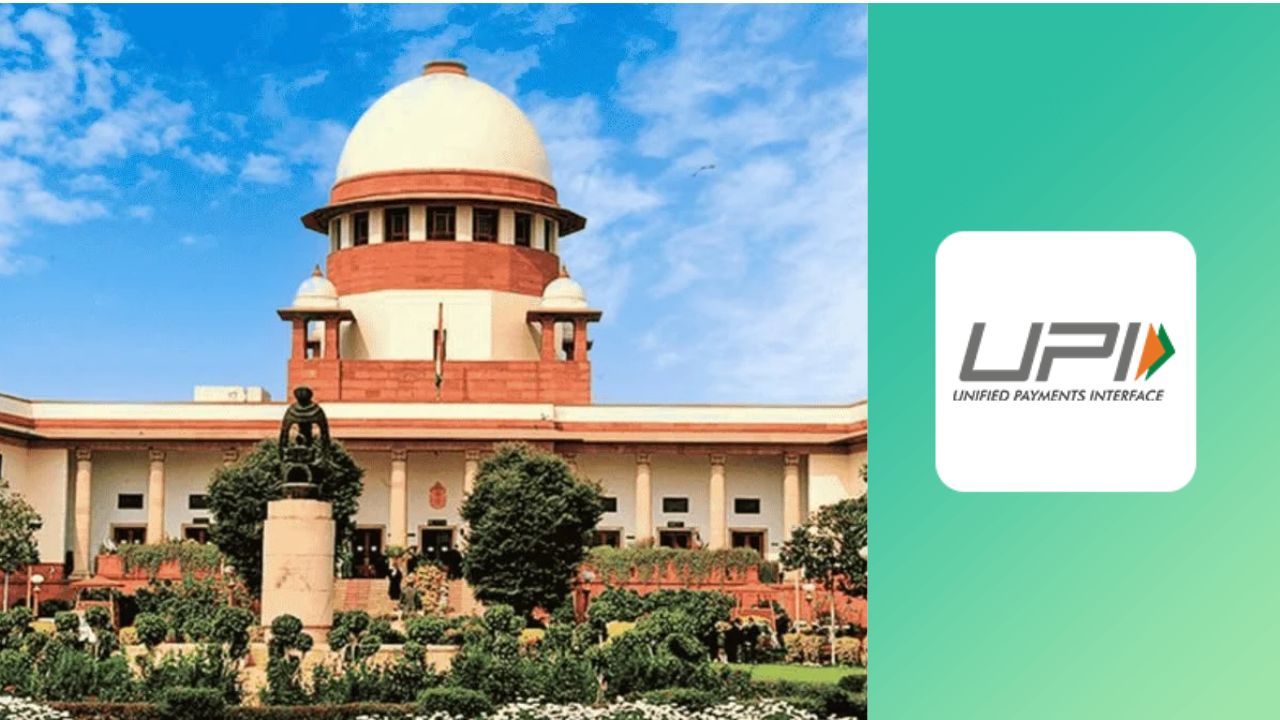
Supreme Court sets timeline for final decision on TMC symbol dispute. (Img: X)
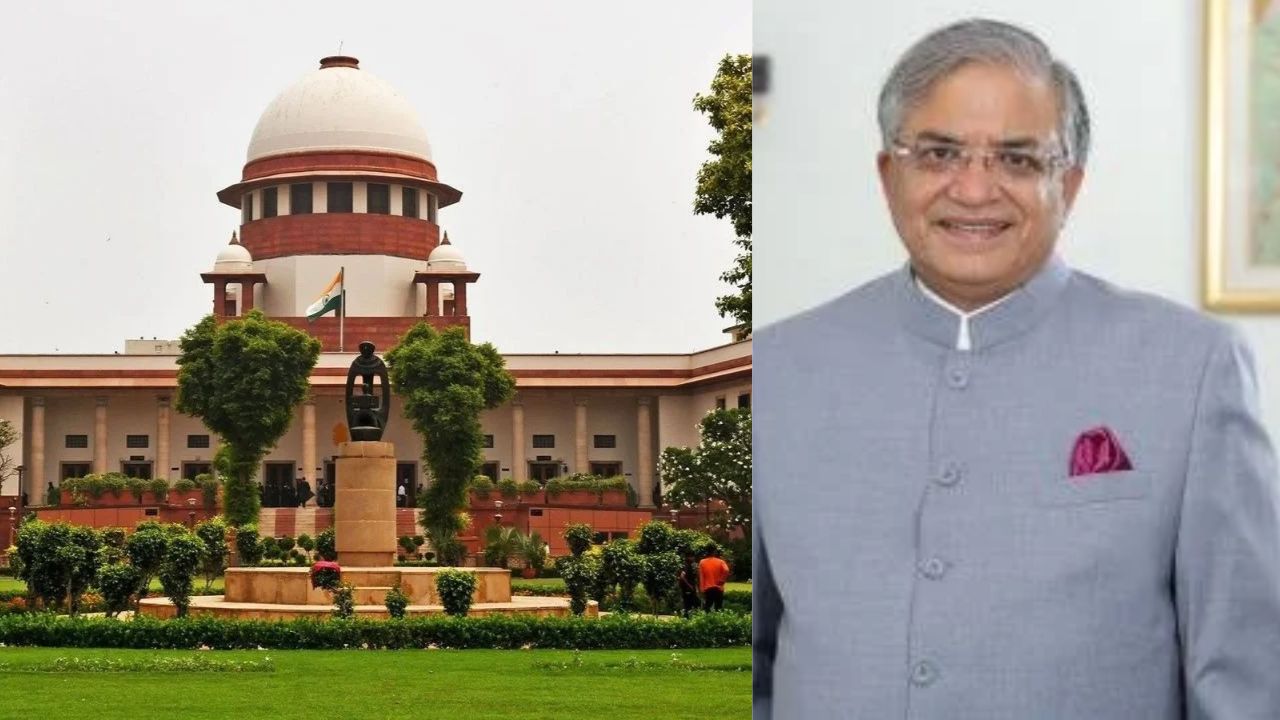
New Delhi: The political battle over the Trinamool Congress identity entered a decisive phase on Monday after the Supreme Court directed the Election Commission of India (ECI) to complete its decision on the party name and election symbol dispute within a fixed timeline.
The three-judge Bench of Chief Justice of India (CJI) Surya Kant, Justice Joymalya Bagchi and Justice V Mohana directed both rival TMC factions to complete their pleadings within four weeks. After the submission of documents and responses, the Election Commission will have three months to deliver its final decision on which group can claim the original All India Trinamool Congress name and the reserved the "flowers and grass" symbol.
The ruling has brought fresh attention to the internal dispute within one of West Bengal’s biggest political parties, as control over a party name and election symbol plays a crucial role in voter recognition, organisational strength and electoral campaigns.
The Supreme Court was hearing a petition filed by TMC leader Mamata Banerjee challenging the Election Commission’s September 17 interim order that froze the original party name and symbol until the final ownership dispute is decided.
The Election Commission had taken the step after two groups claimed control over the All India Trinamool Congress organisation. The poll body noted that rival factions were presenting themselves as the real TMC and that a detailed examination was required before reaching a final conclusion.
Following the interim order, neither faction was allowed to use the original TMC name and the famous “flowers and grass” symbol for upcoming electoral contests.
The Supreme Court did not decide the ownership issue but directed the Election Commission to complete the process within a time-bound schedule.
Also Read: TMC Symbol Row Intensifies: SC Refers to Shiv Sena Case, Asks EC for Early Verdict
The dispute is linked to an internal split in the Trinamool Congress after the West Bengal Assembly elections.
A group of 10 TMC MLAs led by Ritabrata Banerjee broke away from the Mamata Banerjee-led faction and formed a separate group. Both sides later claimed to represent the original Trinamool Congress.
The rival faction currently identifies itself as AITC-Democratic, while Mamata Banerjee’s group has been referred to as the AITC-Mamata faction during the ongoing proceedings.
The dispute has now moved beyond an internal party conflict and become a legal and electoral recognition matter before the Election Commission.
## ECI Asked to Decide Under Election Symbols Rules
The Election Commission is examining the dispute under Paragraph 15 of the Election Symbols (Reservation and Allotment) Order, 1968.
Under this provision, the poll panel has the authority to decide disputes between rival groups claiming ownership of a recognised political party’s name and symbol.
During the Supreme Court hearing, the Election Commission sought additional time, explaining that symbol disputes involve detailed scrutiny of documents, affidavits and organisational claims from party members.
The Supreme Court, however, fixed a shorter timeline and directed that the matter should move forward without unnecessary delay.
## Temporary Names and Symbols Given to Both Groups
Until the final decision, the Election Commission has created a temporary arrangement for both factions.
The Mamata Banerjee-led faction has been allotted the name “Mamata All India Trinamool Congress” along with the football player symbol.
The rival group has been allotted the name “Democratic Trinamool Congress” and the envelope symbol.
The Election Commission has clarified that these temporary names and symbols do not represent the final outcome of the dispute and will remain applicable until the original TMC identity issue is settled.
## West Bengal Bypolls Increase Importance of Decision
The timing of the dispute has increased its political significance due to the upcoming West Bengal Assembly by-elections.
The interim arrangement will impact both factions during contests including the Nandigram and Rejinagar bypolls scheduled for October 6.
Election symbols are a major tool for political parties in India because they help voters identify candidates and connect with party campaigns, especially among sections of the electorate that rely heavily on visual recognition.
The final ECI decision could influence the organisational structure, campaign strategy and political positioning of both TMC factions.
## Supreme Court Order Brings Focus Back on Party Recognition Battles
The TMC symbol dispute highlights the larger issue of political party recognition and ownership of election symbols in India.
Similar disputes in the past have shown that control over a party name and symbol can have a major impact on the future direction of political organisations.
With the Supreme Court setting a clear timeline, the focus now shifts to the evidence, affidavits and organisational claims submitted by both factions before the Election Commission.
The final decision by the poll panel will determine which faction gets the original Trinamool Congress identity and the long-associated “flowers and grass” symbol.