 English
 English

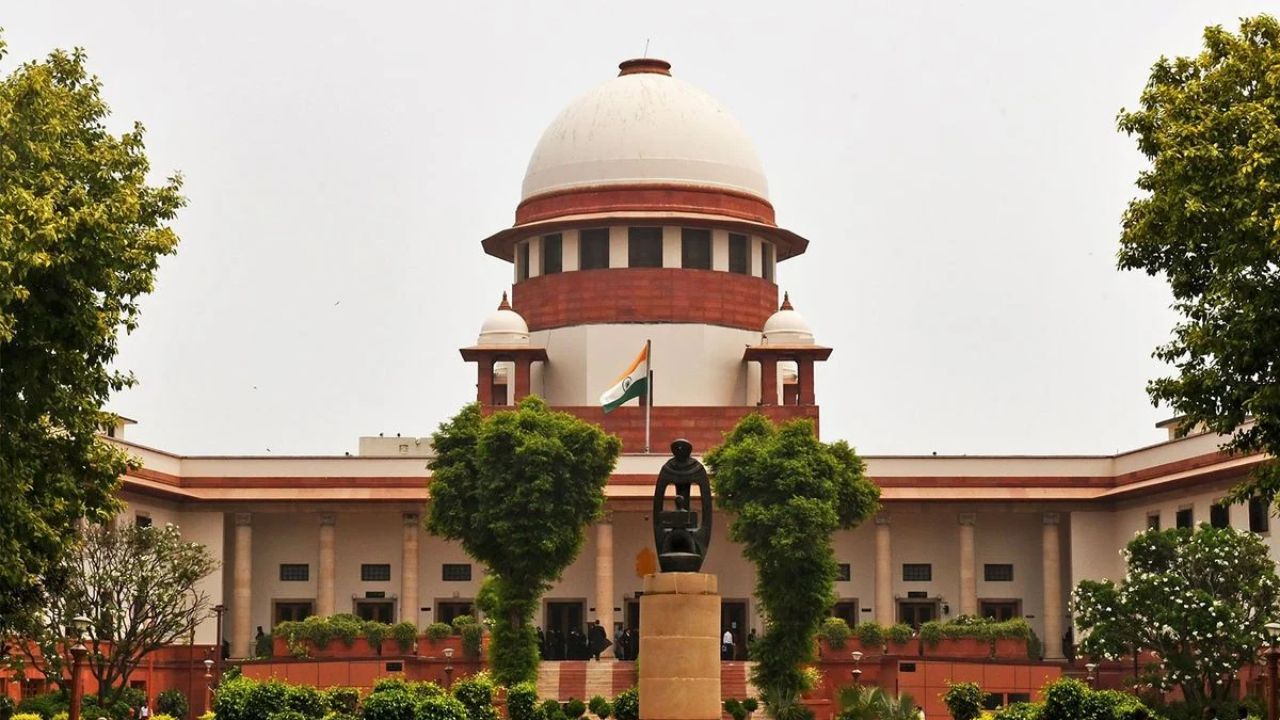
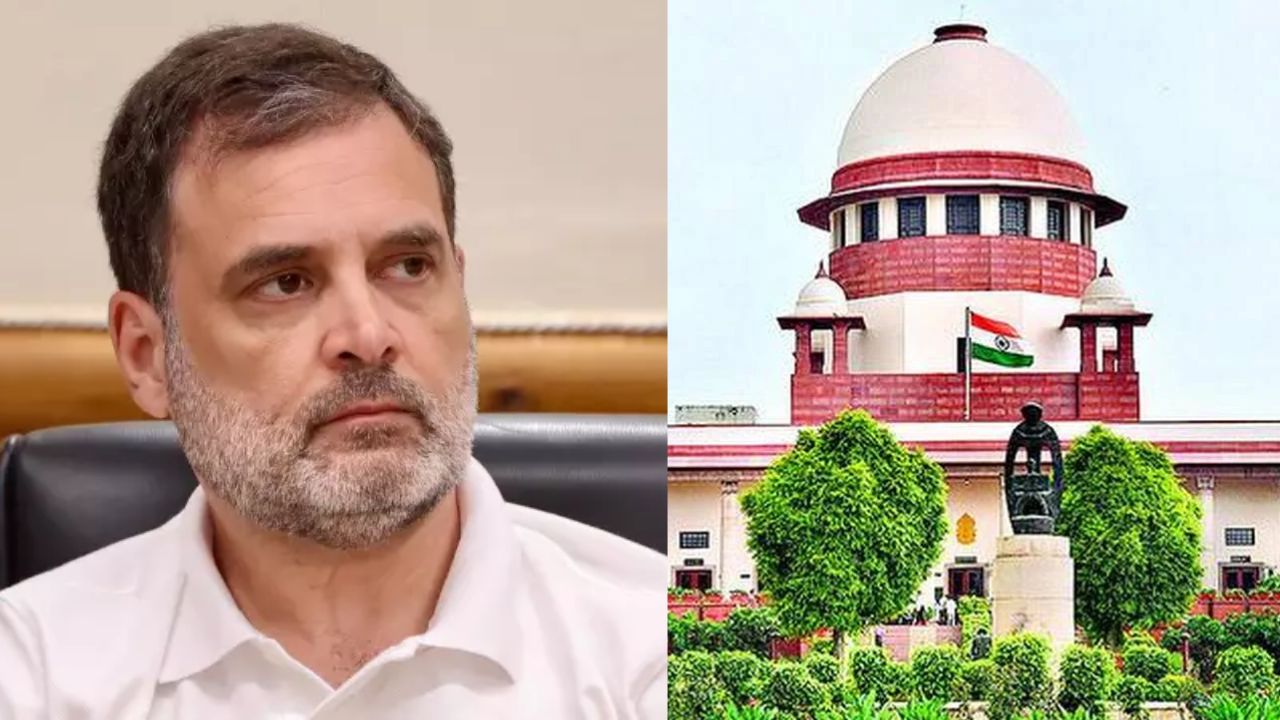
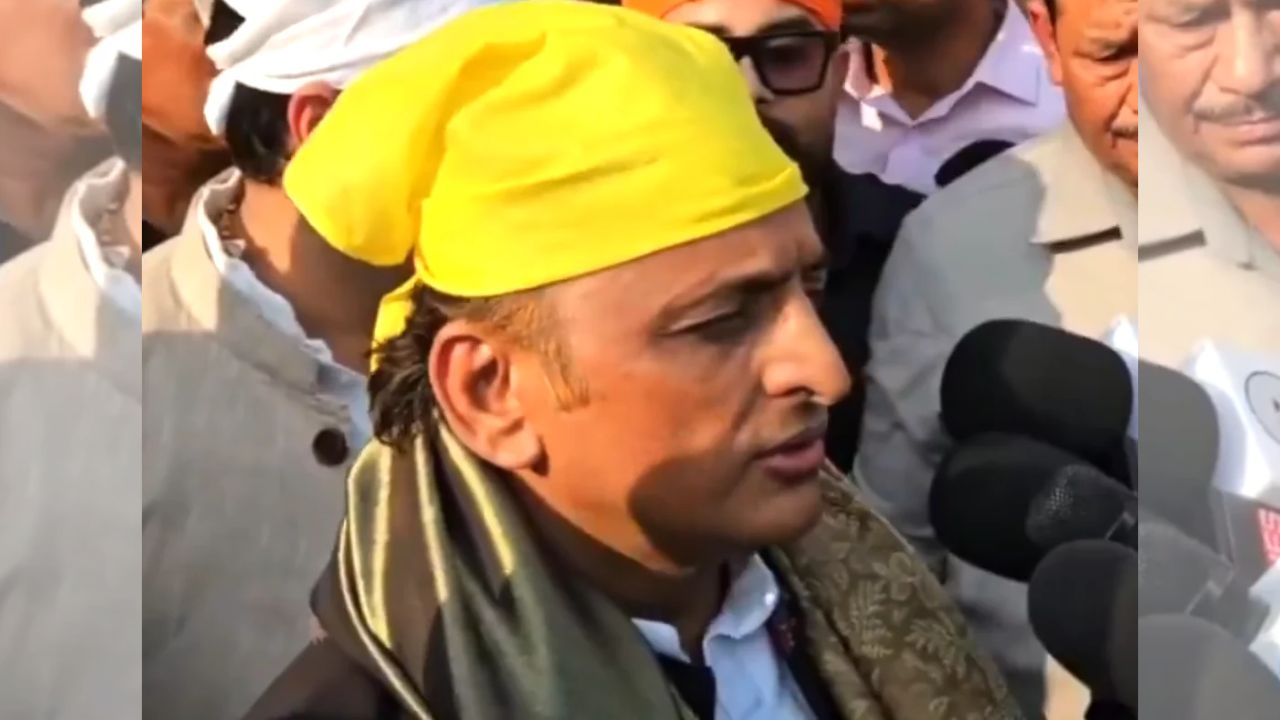
The Supreme Court has sought the Delhi Police's response on the fresh bail pleas filed by Umar Khalid and Sharjeel Imam under the UAPA. (Img: X)
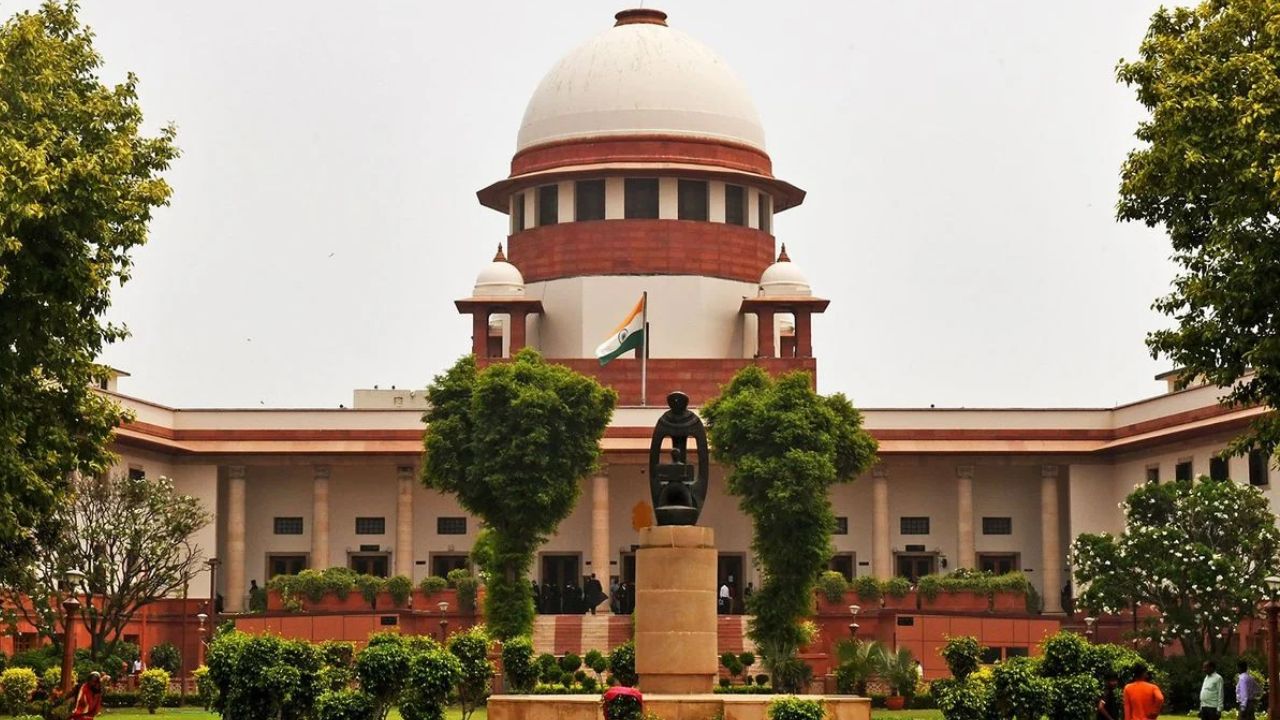
New Delhi: The Supreme Court on Wednesday issued notice to the Delhi Police on fresh interim bail applications filed by activists Umar Khalid and Sharjeel Imam in the 2020 Northeast Delhi riots larger conspiracy case registered under the Unlawful Activities (Prevention) Act.
The Bench of Chief Justice of India (CJI) Surya Kant, Justice Joymalya Bagchi and Justice V Mohana refused to consider their requests for immediate interim bail, indicating that the prosecution must first be given an opportunity to respond.
The Apex Court directed that the matter be placed before the CJI on the administrative side for the constitution of an appropriate three-judge Bench. The larger Bench will consider the bail proceedings in the context of an earlier judicial reference concerning the interpretation of established principles governing bail under the stringent anti-terror legislation.
Senior Advocate Kapil Sibal, appearing for Umar Khalid, argued that his client had remained in custody for more than six years. Senior Advocate Siddharth Dave, representing Sharjeel Imam, also pressed for similar relief, drawing attention to the prolonged incarceration of the accused.
The Bench, however, declined to entertain the request at this stage. The judges indicated that the Delhi Police must first submit its response before the applications for interim relief to be considered. Solicitor General Tushar Mehta appeared for the Delhi Police and opposed the request for immediate consideration of interim bail.
Earlier in January 2026, the Apex Court had rejected the bail applications of Khalid and Imam. The accused approached the top court with fresh applications, relying on the passage of time, prolonged incarceration and the conditions stipulated in the earlier judgment.
Senior Advocate Kapil Sibal also requested an early listing, referring to the prolonged custody of Khalid. The CJI indicated that the Bench was familiar with the case record and the relevant legal developments. When the defence sought a separate hearing on the interim bail applications, the court indicated that the substantive matters themselves would be listed before the appropriate Bench.
On May 22, 2026, a two-judge Bench had referred the issue to a larger Bench after identifying a perceived conflict in judicial observations concerning the application of the principles laid down in the K A Najeeb judgment.
CJI Surya Kant today observed that the perceived conflict between the judicial interpretations required careful consideration. He further indicated that the issue involved the interpretation of an earlier judgment delivered by him in the K A Najeeb case, making it necessary to examine the legal position through an appropriately constituted Bench. Solicitor General Tushar Mehta pointed out that the earlier reference order also concerned the same FIR in which Khalid and Imam are accused.
The legal controversy centres on the relationship between the stringent bail restrictions under Section 43D(5) of UAPA and the constitutional right to personal liberty. Under Section 43D(5), courts face significant restrictions when considering bail in UAPA cases if the allegations and material placed before them indicate reasonable grounds for believing that the accusations are prima facie true.
However, in the landmark 2021 judgment in Union of India v. K A Najeeb, a three-judge Bench of the Supreme Court recognised that constitutional courts could grant bail where prolonged incarceration and delays in trial raise concerns under Article 21 of the Constitution, which guarantees the right to life and personal liberty.
The judgment established that statutory restrictions on bail cannot completely override constitutional safeguards, particularly when an accused faces an extended period of detention without a realistic prospect of an early conclusion of the trial.The interpretation and application of this principle have subsequently become significant in several high-profile UAPA cases.
The present proceedings are also connected to the Supreme Court's January 2026 judgment in the bail applications of Umar Khalid and Sharjeel Imam.On January 5, 2026, a Bench comprising Justice Aravind Kumar and Justice NV Anjaria rejected their bail applications, describing their alleged roles in the larger conspiracy as that of ideological drivers.
The same Bench, however, granted bail to five other accused persons, including Gulfisha Fatima, after distinguishing their alleged roles and individual circumstances from those attributed to Khalid and Imam.
While denying bail to the two activists, the court imposed a one-year embargo on fresh bail applications. It also permitted them to approach the court again after the completion of the examination of protected prosecution witnesses or the expiry of one year from the date of the judgment, whichever occurred earlier.
The January ruling subsequently became part of a wider judicial debate over the interpretation of the K A Najeeb principles. In another proceeding, a two-judge Bench comprising Justice BV Nagarathna and Justice Ujjal Bhuyan, while considering the matter in Syed Ifthikar Andrabi, raised concerns regarding the interpretation of the K A Najeeb judgment in the Gulfisha Fatima decision.
The Bench expressed the view that the reasoning adopted in the Gulfisha Fatima and Gurwinder Singh matters appeared to depart from the principles laid down in K A Najeeb, particularly concerning prolonged incarceration and the constitutional dimensions of bail. These differing judicial observations prompted the subsequent reference to a larger Bench to clarify the applicable legal position.