 English
 English

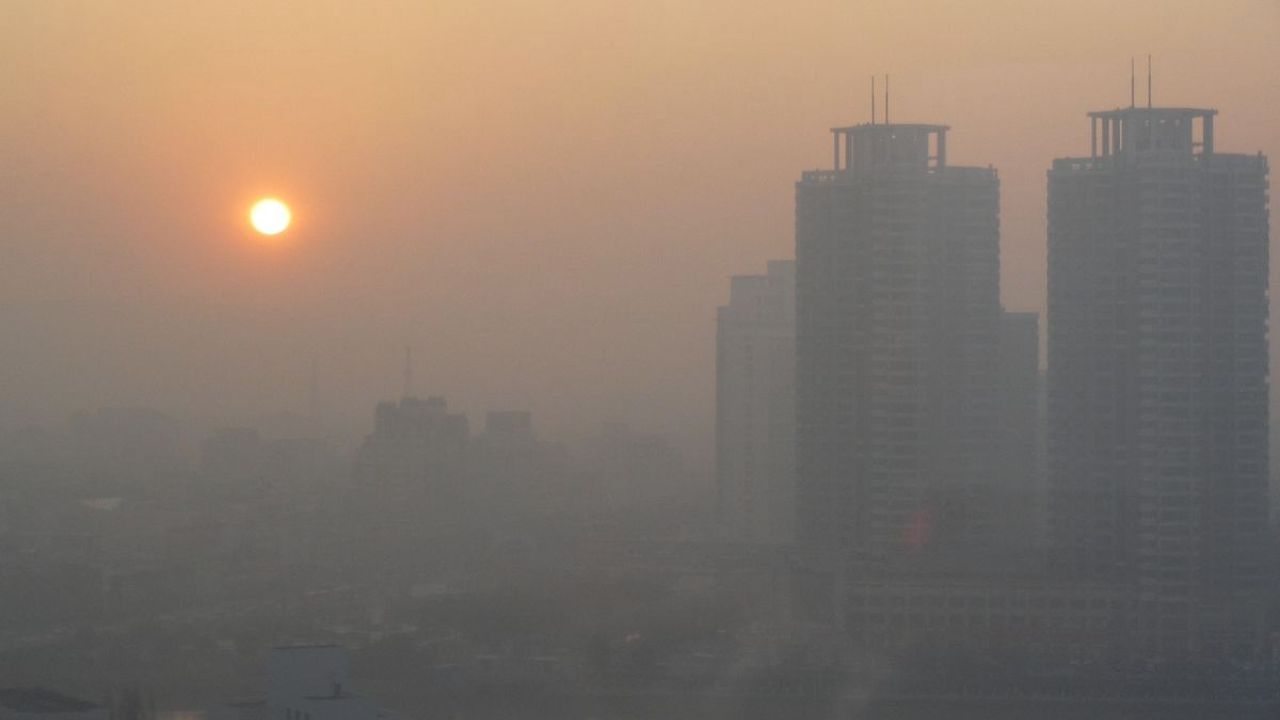
Air quality was worst around IIT Delhi (Img: Pinterest)
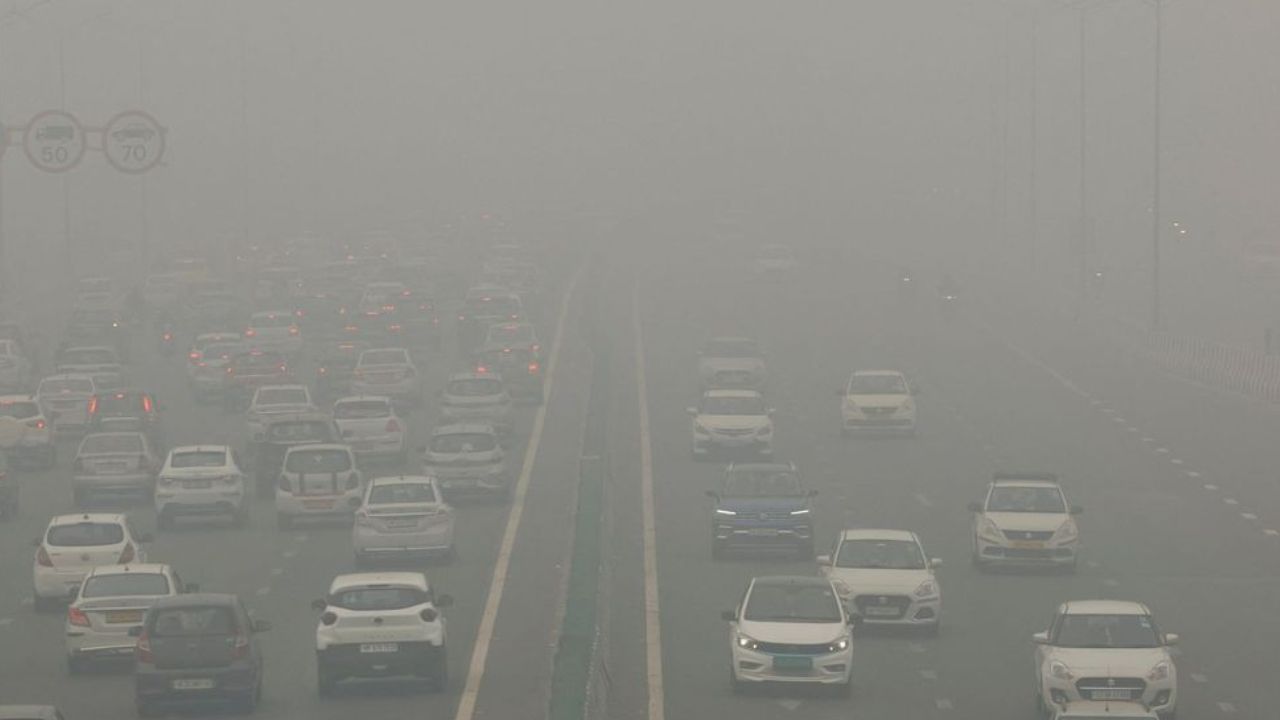
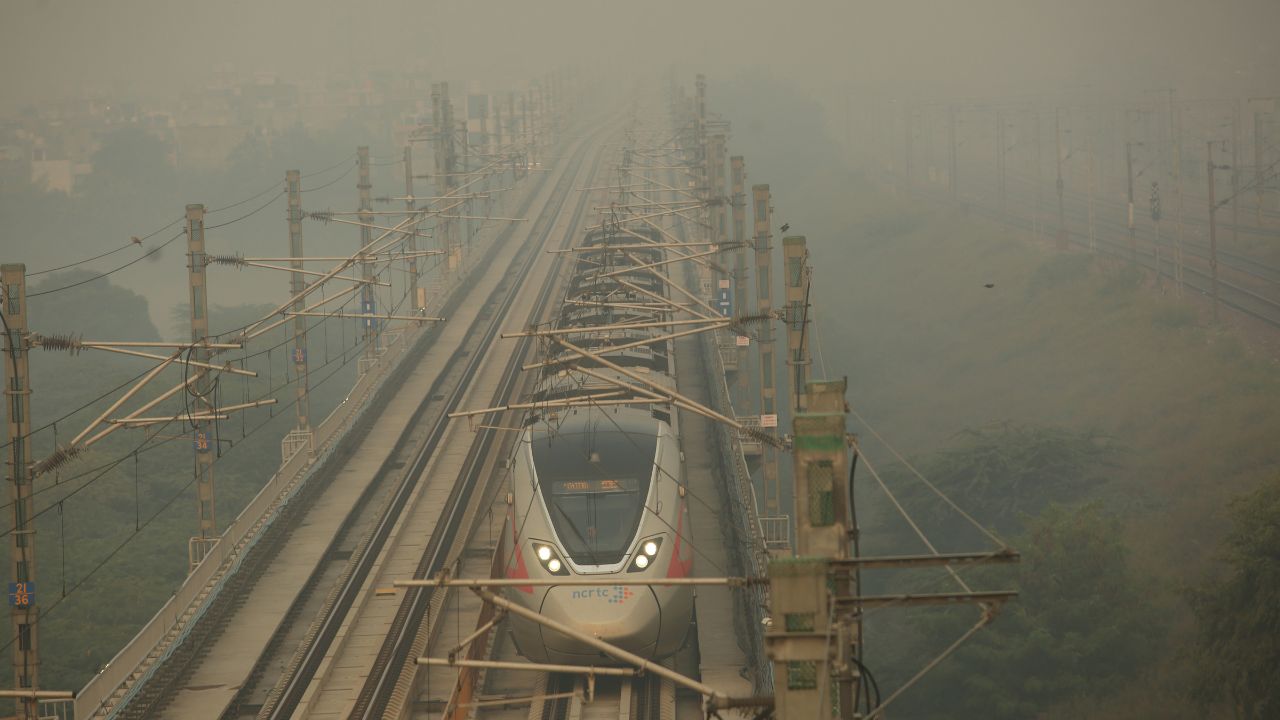
New Delhi: Air quality in the national capital decline further on Wednesday. A mixture of smoke and fog known as 'smog' blanketed several parts of Delhi, reducing visibility and raising concerns among the public. According to the Central Pollution Control Board (CPCB), the city's average Air Quality Index (AQI) rose to 313, placing it in the 'very poor' category.
Many monitoring stations across Delhi recorded dangerous levels of air pollution. The highest AQI, 412 which falls into the 'severe' category was recorded at IIT Delhi. This was followed by an AQI of 394 at NSUT Jafarpur and 392 at ITO.
Meanwhile, other highly polluted areas include Chandni Chowk (388), Pusa (382), Delhi Technological University (379), and NSIT Delhi (376).
Although pollution levels in the surrounding areas were relatively lower, they still manage to remain a cause for health concern. Furthermore, An AQI of 300 was recorded in Gurugram, while Faridabad and Noida recorded AQI levels of 279 and 284, respectively.
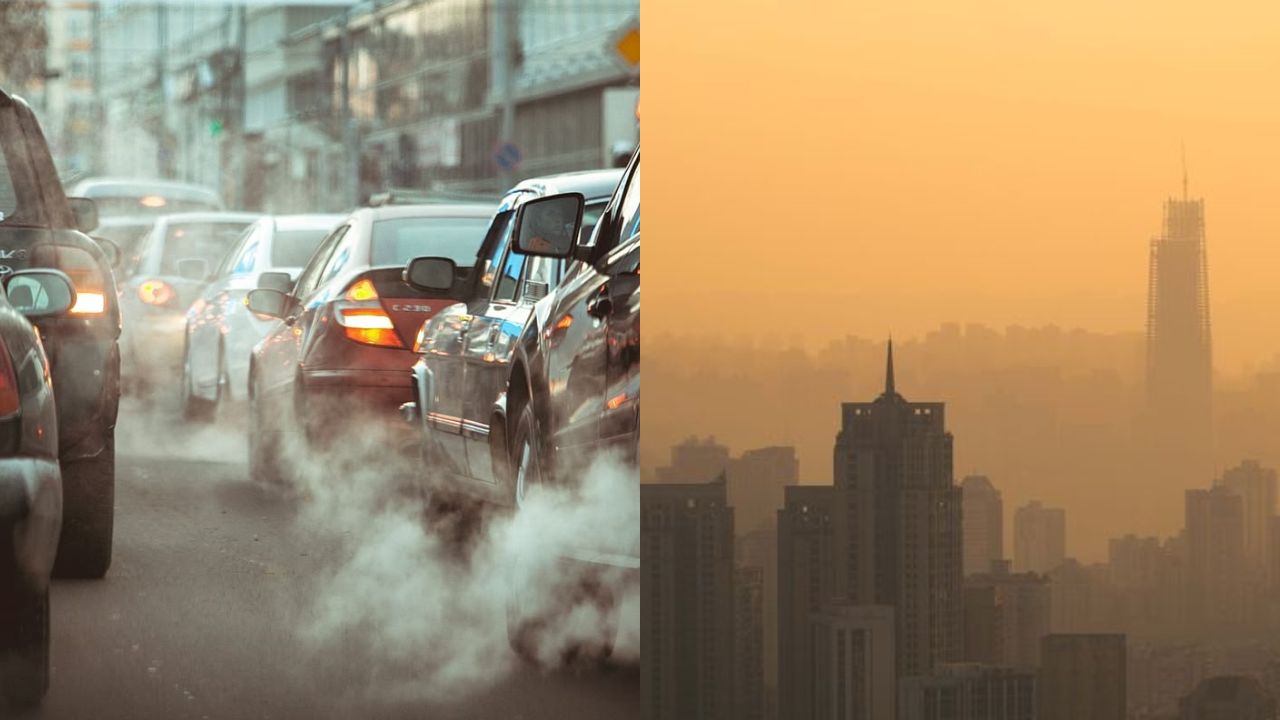
Forecasts from IITM (the Indian Institute of Tropical Meteorology) indicate that vehicle emissions, firecrackers and the transport sector are the primary contributors to the pollution levels in Delhi on Wednesday.
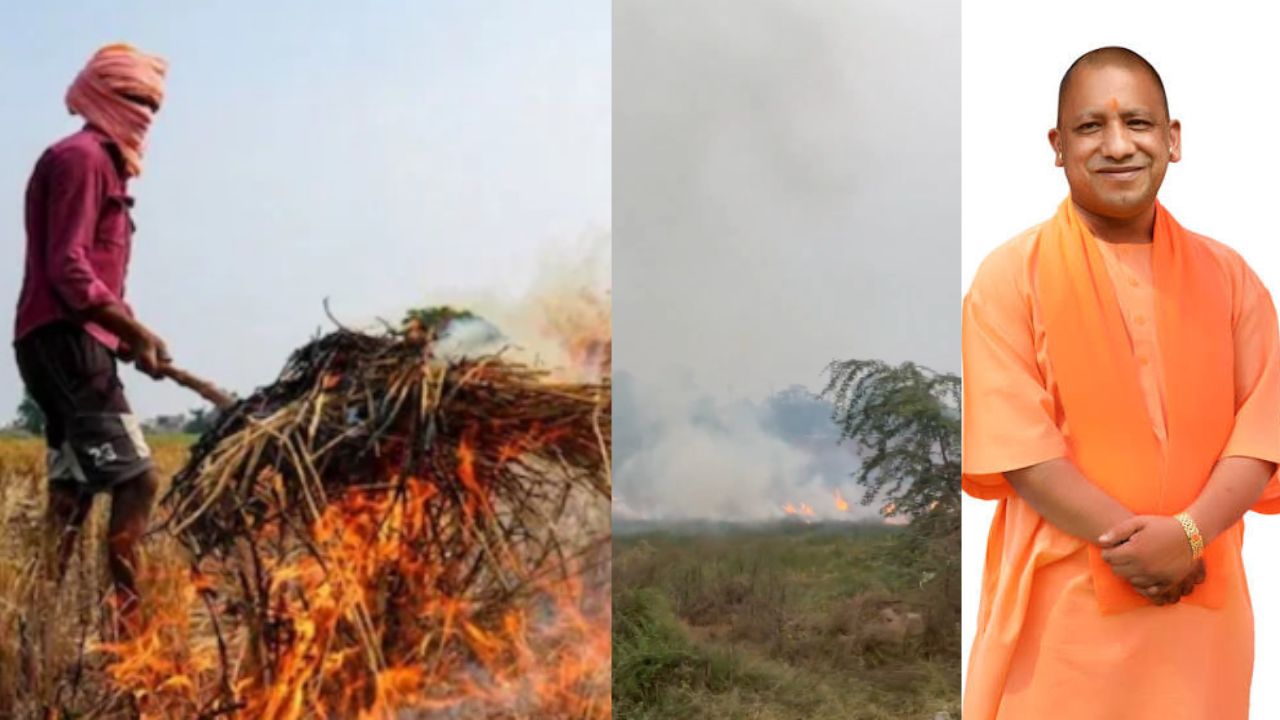
The impact of stubble burning is expected to intensify on Thursday, which could lead to a further decline in air quality across the capital and its surrounding regions. Likely Increase in PM2.5 and PM10 Levels.
The 'Air Quality Early Warning System' (EWS) has projected an increase in particulate matter including PM2.5 and PM10 levels over the next two days. On Wednesday, out of 58 monitoring stations, 34 recorded 'very poor' air quality, 22 fell into the 'poor' category, one station reported 'severe' pollution, and another recorded 'moderate' air quality. Among the listed stations, Delhi Cantonment (Delhi Cantt) recorded the lowest AQI at 117.
According to the Central Pollution Control Board, an AQI of 0–50 is considered 'good', 51–100 'satisfactory', 101–200 'moderate', 201–300 'poor', 301–400 'very poor', and 401–500 'severe'.
On 11 November, PM10 emerged as the primary pollutant in the national capital, highlighting the growing challenge of controlling pollution with the onset of winter. However, The Delhi government has intensified pollution control measures such as GRAP stage 3 including the spraying of water and several other measures to reduce airborne dust and improve the city's air quality.