English
 English

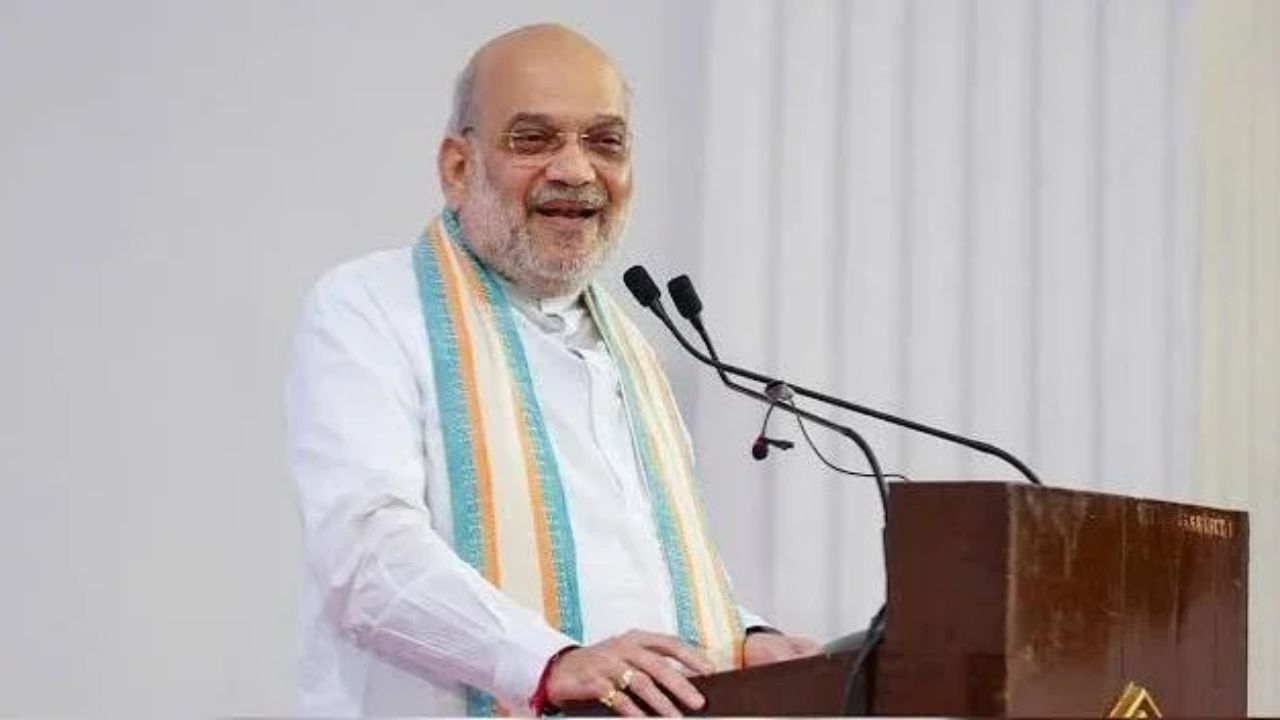
Uniform Civil Code push exposes differences between the BJP and its alliance partners. (Image: Google)
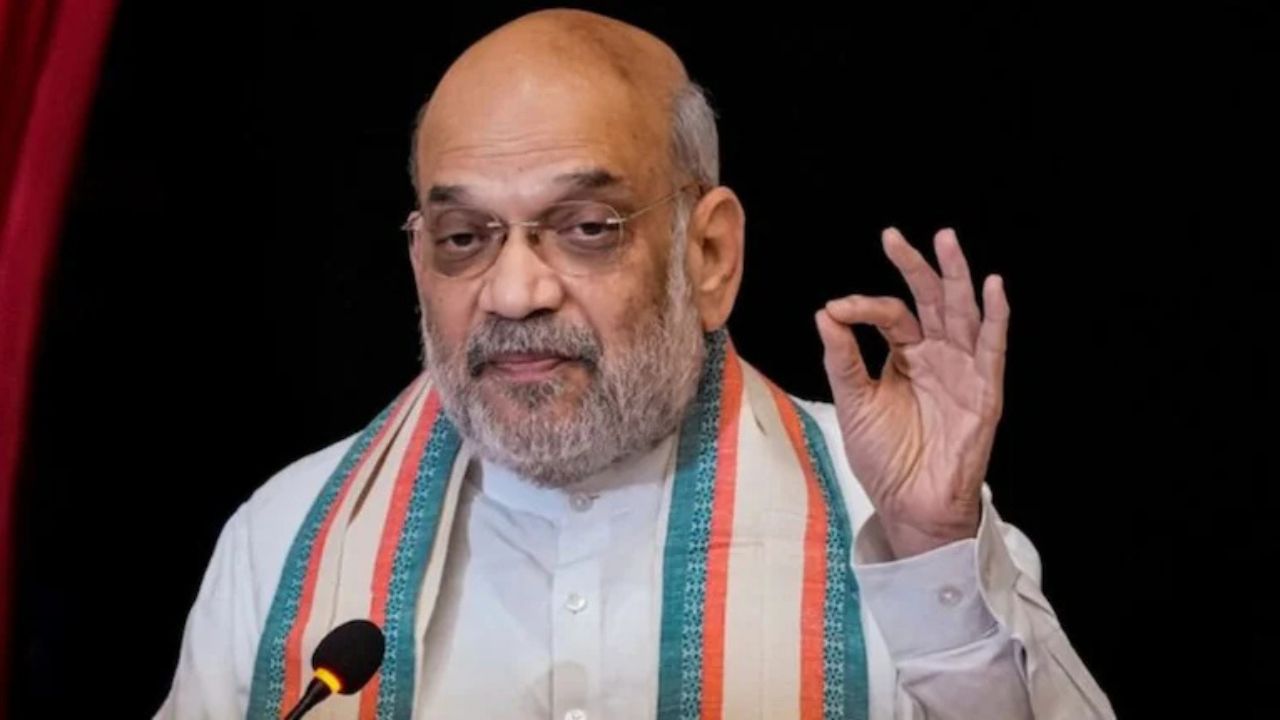
New Delhi: Amit Shah’s announcement on implementing the Uniform Civil Code (UCC) across NDA-ruled states has reignited a political battle over the contentious reform, exposing differences within the ruling alliance and drawing sharp criticism from opposition parties.
Union Home Minister Amit Shah’s announcement that (UCC) would be implemented in all 21 NDA-ruled states before the 2029 Lok Sabha elections has brought the politically sensitive issue back into the national spotlight. While several NDA allies have supported the proposal, some partners have adopted a more cautious position. The Janata Dal (United), a key NDA constituent in Bihar, has maintained that UCC should not be introduced hastily and that wider political and social consensus is necessary.
The development has once again highlighted differences between the BJP and some of its allies over the proposed common legal framework governing areas such as marriage, divorce and inheritance.
JD(U) working president Sanjay Jha said the party would soon meet Amit Shah to discuss the UCC issue. The party has consistently maintained that such a major legal reform should not be rushed or imposed without adequate consultation. The JD(U) has 12 Lok Sabha members and remains an important NDA partner. Its position has therefore added a fresh political dimension to the BJP’s plan to expand the UCC across states governed by the alliance.
The party’s stand contrasts with the support expressed by some other NDA allies, including the Telugu Desam Party, Shiv Sena and Hindustani Awam Morcha (Secular).
Uttarakhand remains the only state to have enacted a comprehensive Uniform Civil Code so far. The legislation establishes a common legal framework covering matters including marriage, divorce and inheritance. Several other BJP-ruled states have also moved towards introducing similar legislation. Assam, Gujarat and Madhya Pradesh have passed UCC-related legislation, although the laws are yet to be enacted.
Maharashtra, Chhattisgarh and West Bengal have taken steps towards preparing their own UCC frameworks, with drafting committees formed to work on proposed legislation. The varying stages of implementation across states have become an important part of the wider political debate over whether the UCC should be introduced through individual state governments or through Parliament.
The Congress and other opposition parties have questioned how BJP plans to push ahead with the UCC when differences exist even within the NDA. Opposition leaders have accused the BJP of using the issue to deepen political divisions and divert attention from broader socio-economic concerns. The debate has consequently moved beyond the legal framework of the UCC to questions surrounding political consensus, federalism and the role of alliance partners.
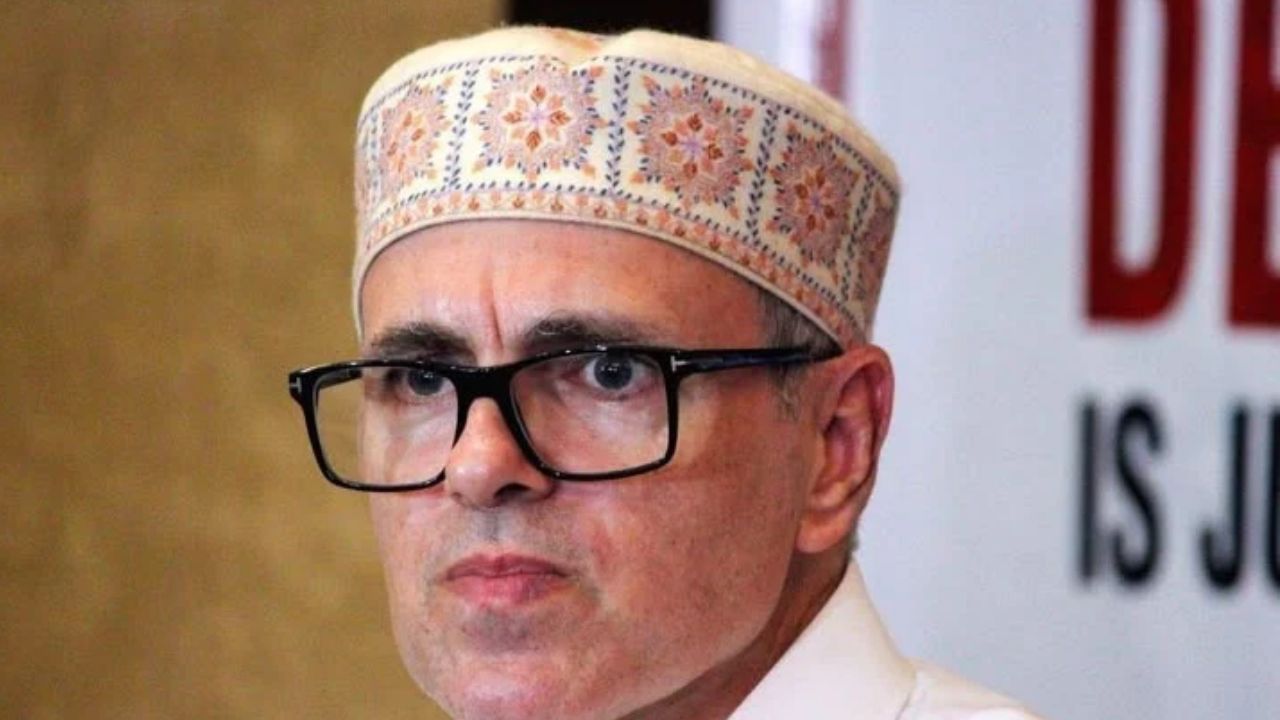
Jammu and Kashmir Chief Minister, Omar Abdullah has also challenged the BJP to introduce UCC in Parliament if it has the numbers required to pass the legislation. Abdullah questioned the decision to pursue the issue through individual NDA-ruled states and pointed to the lack of complete agreement within the ruling alliance.
His remarks have added to the growing political confrontation over whether the UCC should be implemented through state-level legislation or debated and legislated upon at the national level.
AIMIM chief Asaduddin Owaisi has strongly opposed the proposed implementation of the UCC in NDA-ruled states. Owaisi has alleged that the BJP’s approach could disproportionately target Muslims and has linked the debate to Article 25 of the Constitution, which guarantees freedom of conscience and the right to profess, practise and propagate religion.
The issue has therefore emerged as a major point of contention between the BJP-led NDA and opposition parties with questions over religious freedom, legal uniformity and political consensus likely to remain central to the debate.
The latest developments suggest that UCC could become a significant political issue ahead of the 2029 Lok Sabha elections. While the BJP is pushing for wider implementation across NDA-ruled states, differences among alliance partners could influence the pace and nature of the process. The opposition, meanwhile, is expected to continue challenging the move on constitutional, political and social grounds.
With Uttarakhand already having implemented a comprehensive UCC and several other states working on their own versions, the debate is likely to intensify as more NDA governments consider legislation on the issue.