 English
 English

Dharmendra Pradhan Resigned
New Delhi: Dharmendra Pradhan has resigned as Union Education Minister amid the ongoing NEET paper leak protest at Jantar Mantar. The protest against the NEET paper leak was started on 6 June 2026 under the banner of Cockroach Janta Party. The protest got a big boost when activist Sonam Wangchuk joined the protest and announced an indefinite hunger strike until the Education Minister's resignation.
— Dharmendra Pradhan (@dpradhanbjp) July 25, 2026
The CJP protests experienced several ups and downs, ranging from support from leaders of several political parties of the opposition to brutal attacks on protesters from Delhi Police on 20th July 26 during the Parliament March.
The first protest was held on 6 June 2026 at Jantar Mantar, New Delhi, along with student groups SFI, AISA, and AISF, demanding the resignation of Dharmendra Pradhan over the 2026 NEET UG paper leak and CBSE On-screen marking irregularities. On 28th June, the protest got a big boost when social and environmental activist Sonam Wangchuk joined the protest and started an indefinite hunger strike, which moved nationwide.
On 18th July, Sonam Wangchuk was detained at Safdarjung Hospital, after which his wife went to Delhi High Court over his medical treatment.
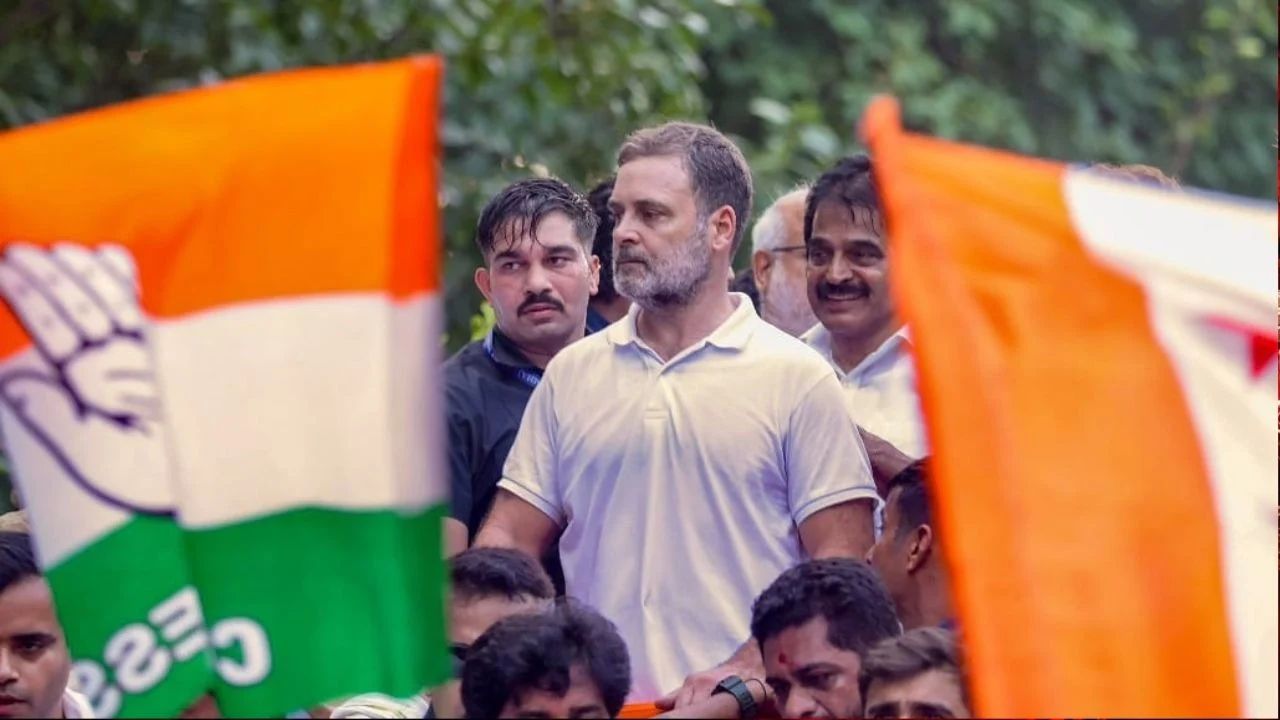
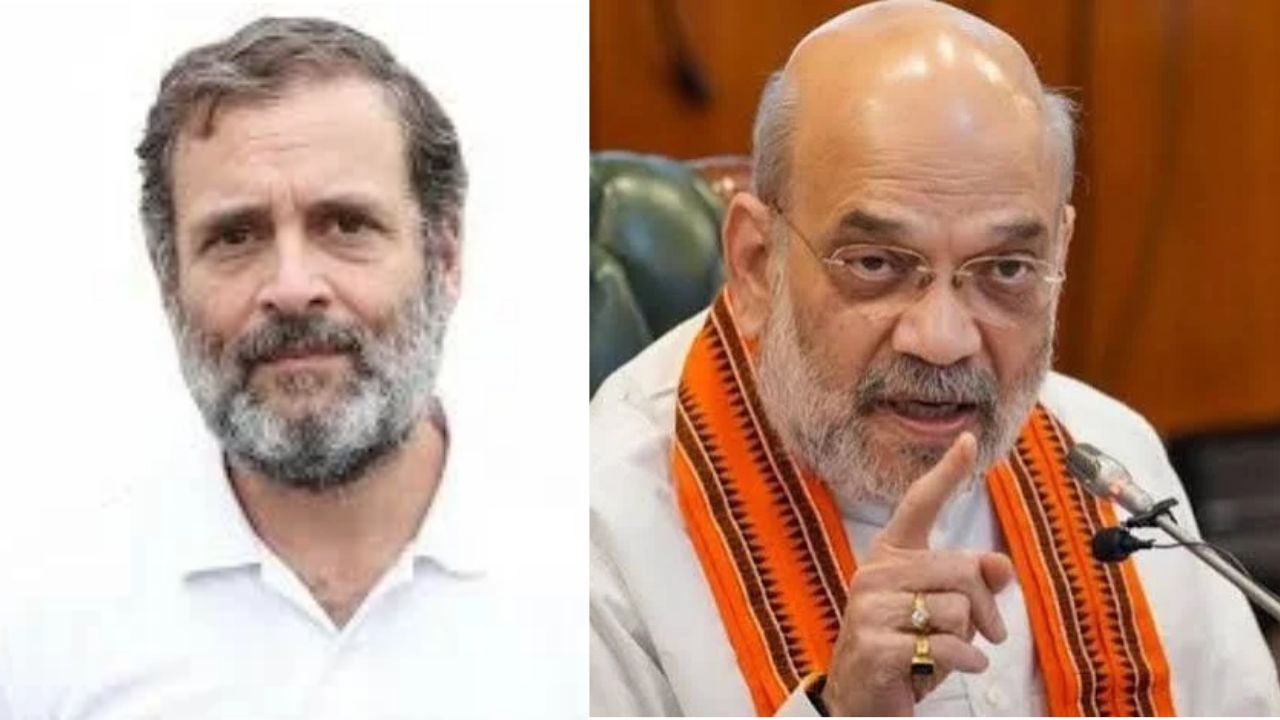
On 20 July 2026, the first day of Parliament's Monsoon Session, the Cockroach Janta Party launched its "Chalo Sansad" march, with thousands of supporters gathering at Jantar Mantar before attempting to march toward Parliament under heavy police deployment, metro station restrictions, and multiple barricades. Tens of thousands of protesters laid siege to the heart of the capital, marching on Parliament to demand Education Minister Dharmendra Pradhan's resignation over the exam-leak scandal, and police responded with baton charges and tear gas shells. Tear gas shells were fired as protesters attempted to push past the barricades. Amnesty International condemned the crackdown, with the rights group stating in the aftermath that the police action showed "how peaceful dissent is being suppressed in India," noting that freedom of peaceful assembly is protected under the Indian constitution. The violence drew a political response too: Congress leader Rahul Gandhi and dozens of party lawmakers staged a sit-in outside the Prime Minister's residence, some fastening zip ties to their wrists, demanding accountability for the "brutalities against young students." Dipke accused authorities of breaking their word, saying police baton-charged protesters after inviting them for talks, and the images of the confrontation reportedly drew more people to the movement in the days that followed. Despite the crackdown, the scale of the protest appeared to push the government toward dialogue, with BJP president J.P. Nadda asking protesters to end their agitation and formally receiving their list of demands, including Pradhan's ouster.
Cockroach Janta Party has responded to the resignation with joy and celebration as a big win for the movement, but the leadership has said that they will still be there at Jantar Mantar until the other two demands are fulfilled. The CJP proposed three demands to the government, in which the key demand was the resignation of Dharmendra Pradhan, while the two other demands were giving compensation of Rs 1 crore to the families whose children attempted suicide due to the NEET paper leak and strict action against goons who beat and injured the students during the 20 July Sansad March.
CJP FoundermAbhijeet Dipke: This is a victory to democracy. He has resigned. We have two more demands. We won't go like this. Dharmendra Pradhan has resigned. But the families of the children who committed suicide should receive compensation of one crore rupees. They should get… pic.twitter.com/0ymRsbhnh5
— Dynamite News (@DynamiteNews_) July 25, 2026