VB-G RAM G Act: 125 days work guaranteed
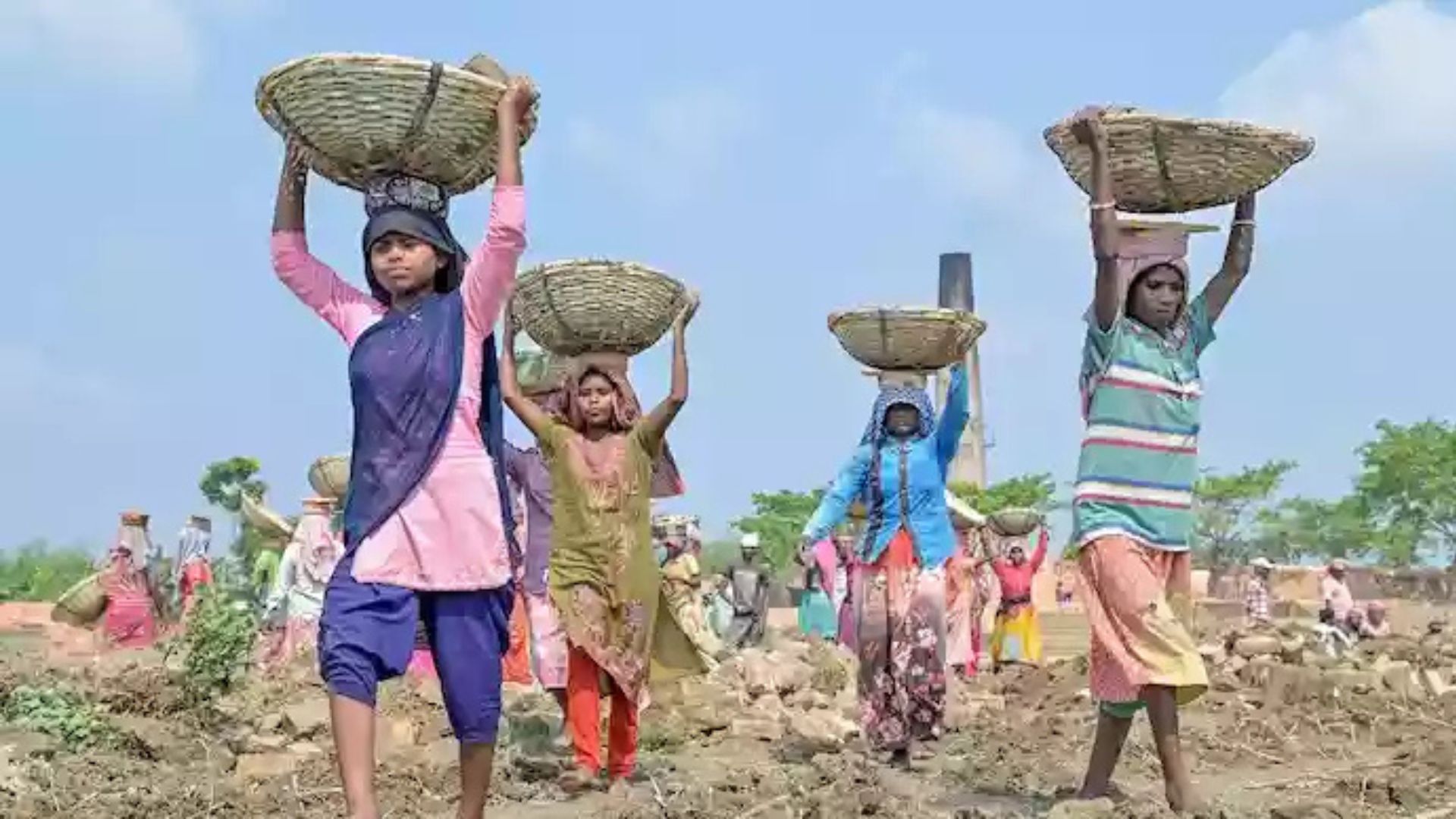
New Delhi: The President has given her assent to the Developed India-Guarantee for Employment and Livelihood Mission (Rural), or VB-G RAM Ji Bill, 2025. With this approval, the bill has now become law. Under this law, the statutory wage employment guarantee for rural families has been increased to at least 125 days in a financial year.
The government is calling this a historic step that will provide a strong foundation for rural life. The government says that the implementation of the VB-G RAM Ji law will strengthen the legal guarantee of employment in rural areas even further.
It is worth noting that the bill was debated in Parliament until late at night. The opposition alleged that the government was deliberately changing the name of MGNREGA, which included Mahatma Gandhi's name, and that the BJP brought this bill to remove that name. The government, however, stated that the previous scheme provided 100 days of work, but under this new law, providing at least 125 days of work is now mandatory.
During this debate, Congress leader Pramod Tiwari strongly criticized the BJP. He said that whenever the Congress comes to power, they will change the name again. Amidst all this uproar, the bill was passed by voice vote. However, the opposition strongly protested against the bill in Parliament. Not only that, the opposition also staged a sit-in outside the Parliament House all night.
According to this law, it will now be the government's responsibility to provide wage-based work for up to 125 days a year to eligible rural families. The direct objective is to increase the income of laborers, farmers, and landless families living in villages and provide them with economic security. The government says that this will reduce poverty in villages and provide people with work in their own areas.
Emphasis on Empowerment and Inclusive Development
The government says that the aim of the new law is not only to provide employment but also to ensure the overall empowerment of rural society. Under the VB-G Ram Ji scheme, inclusive development has been prioritized to ensure that the benefits of the schemes reach even the most marginalized sections of society.
The government claims that this law will play a crucial role in making women, vulnerable groups, and needy families self-reliant. This will provide sustainable strength to the rural economy.
The government wants the schemes running in rural areas to be interconnected to yield more effective results. The plan is to transform villages by linking work related to roads, water conservation, irrigation, housing, and other basic amenities with employment. This will increase both transparency and speed in development work.
The VB-G Ram Ji law places special emphasis on saturation-based delivery. This means that no eligible family should be deprived of the benefits of the scheme. The government says that providing employment and livelihood benefits to the last person is the fundamental objective of this law. This will reduce inequality in rural areas and ensure that the benefits of development reach everyone.
The government believes that this law will further strengthen the foundation of a prosperous, strong, and self-reliant rural India. Increased employment will strengthen income sources in villages and also curb migration to cities. VB-G Ram Ji is considered a decisive step for the future of rural India, which will strengthen the country's economy in the long run.
How different will VB-G Ram Ji be from MGNREGA?
The central government says that the new rules address the structural shortcomings of MGNREGA. First, it is claimed that the number of days of employment under the scheme has been increased from 100 to 125 days.
In addition, all works undertaken in rural areas will be included in the Developed India National Rural Infrastructure Stack. The law states that this will create a strong and integrated national framework for public works at the rural level. Preparations for future work in villages will be based on this framework.
According to the information provided in the law, creating such an integrated framework for villages will ensure the creation of productive, sustainable, robust, and transformative rural assets across the country. The central and state governments will also jointly develop plans to advance these assets under the goal of a developed India by 2047. This means that the fragmentation of work will be consolidated under a national policy and moved forward in a defined direction.
What's in the law for farmers and laborers?
Since state governments can decide the period during which work under the VB-G Ram Ji scheme will be suspended for 60 days, taking into account sowing and harvesting seasons, farmers will not face a shortage of laborers to work on their fields, especially during peak seasons. This will also help laborers earn additional income from other sources besides MNREGA work.
Moreover, since laborers will be available to farmers at the right time, they will not have to hire laborers at inflated wages. This additional burden on farmers often impacts crop prices, as they have to increase prices to compensate for the higher costs. In addition, the number of workdays for laborers has been increased from 100 to 125. This means they will also be able to earn more financially.

