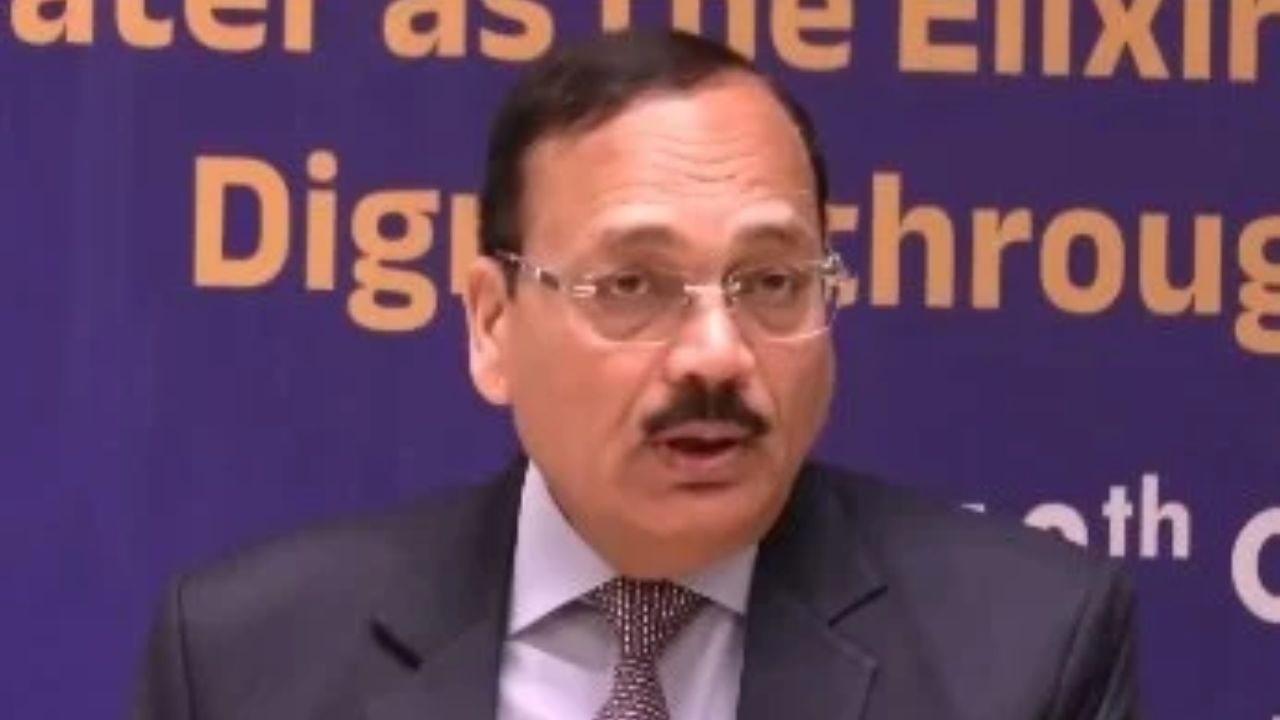
CJI Surya Kant declines a meeting with Rahul Gandhi and Mallikarjun Kharge as the INDIA bloc prepares to march towards the Supreme Court over the SIR controversy. (Img: X)
New Delhi: A crucial political and legal confrontation is unfolding over the Special Intensive Revision (SIR) of electoral rolls, with Chief Justice of India (CJI) Surya Kant declining a meeting request from Rahul Gandhi and Mallikarjun Kharge ahead of the INDIA bloc’s planned march to the Supreme Court on October 12.
The decision has intensified attention on the opposition’s campaign against the electoral-roll revision exercise, its allegations of voter exclusion and its demand for accountability from Chief Election Commissioner (CEC) Gyanesh Kumar. The CJI indicated that the opposition leaders can pursue their concerns through formal judicial proceedings, with related matters already listed before the Supreme Court.
The development places the spotlight on the constitutional boundaries of the judiciary, the Election Commission’s authority and the opposition’s efforts to challenge the SIR exercise through both political mobilisation and legal remedies.
CJI Surya Kant confirmed that he had not granted an appointment to the opposition leaders and had communicated the reasons for declining their request. Rahul Gandhi, the Leader of the Opposition in the Lok Sabha, and Mallikarjun Kharge, the Leader of the Opposition in the Rajya Sabha, had sought a meeting with the Chief Justice between 4 pm and 5 pm on October 12.
They intended to submit a memorandum outlining their objections to the SIR exercise and their demands concerning electoral reforms.
According to sources familiar with the correspondence, the CJI considered a meeting inappropriate because the issues the leaders intended to raise were already pending before the Supreme Court. He also indicated that the Court could not issue judicial directions through its administrative side to intervene in the functioning of the executive.
The response does not represent a ruling on the opposition’s allegations. Instead, it directs the dispute towards the established judicial process, through which legally maintainable petitions can be examined.
The Chief Justice reiterated that every Indian citizen, including elected representatives and Members of Parliament, is entitled to approach the Supreme Court for legal relief.
The distinction is significant because an administrative meeting with the Chief Justice is not equivalent to a judicial hearing. Constitutional grievances, allegations of violations of fundamental rights and challenges to government or electoral decisions must be placed before the appropriate judicial forum through the prescribed legal procedure.
The CJI’s position leaves the opposition free to pursue its objections by filing a petition, subject to the applicable rules and judicial scrutiny.
This route could allow the leaders’ concerns to be considered alongside existing proceedings concerning the electoral-roll revision exercise. However, the filing of a petition would not automatically guarantee relief, and any decision would rest with the competent bench.
Also Read: Rahul Gandhi’s Big Warning: SIR Row Could Bring Down Modi Government
The opposition’s proposed memorandum centres on three major demands: halting the SIR exercise, seeking the resignation of Chief Election Commissioner Gyanesh Kumar and returning to the paper ballot system.
The Congress has argued that the electoral-roll revision process requires greater transparency and safeguards against the deletion of eligible voters. Opposition parties have raised concerns about the methodology and implementation of the exercise, portraying the dispute as a question of electoral integrity and democratic accountability.
The Election Commission’s authority to undertake the SIR exercise and the procedures followed during its implementation have become subjects of political debate and legal scrutiny.
The allegations of voter exclusion and electoral irregularities are claims advanced by the opposition and should not be treated as judicially established findings. Their legal validity would depend on the evidence and arguments presented before the courts.
The rejection of the meeting request comes as opposition parties prepare to mobilise in Delhi. The Congress has described the proposed demonstration as Chalo Delhi – March for Democracy.
Opposition leaders were scheduled to assemble near the Connaught Place–Barakhamba Road junction at approximately 1.30 pm on October 12 before marching towards the Supreme Court.
The mobilisation is intended to draw public attention to the SIR controversy, alleged voter deletions and demands for changes to the electoral system. The protest also follows tensions surrounding demonstrations in Delhi and allegations concerning police action against protesters.
The proposed march adds a political dimension to a dispute that is already being examined through legal proceedings. By seeking to combine public mobilisation with a memorandum to the judiciary, the opposition is attempting to keep electoral transparency and voting rights at the centre of the national debate. The CJI’s refusal to grant an appointment does not, by itself, indicate a position on the merits of the protest or the opposition’s demands.
The controversy has also drawn attention to allegations of police misconduct during protests against Chief Election Commissioner Gyanesh Kumar. CPI(M) Rajya Sabha MP John Brittas reportedly wrote to the Chief Justice seeking intervention, alleging that Delhi Police personnel had manhandled and assaulted him during the demonstrations.
The CJI’s response reiterated that citizens and elected representatives could seek judicial intervention through appropriate petitions. Such allegations would need to be examined through the relevant legal process rather than resolved through an informal administrative meeting. The issue has broadened the debate beyond electoral-roll revision to include the handling of demonstrations, the protection of civil liberties and the availability of legal remedies when individuals allege violations of their rights.
The current dispute follows an earlier judicial examination of the Election Commission’s authority to conduct the SIR exercise. In May 2026, a bench led by CJI Surya Kant upheld the validity of the Election Commission of India’s power to undertake the revision of electoral rolls. Subsequent proceedings have continued to examine aspects of the exercise and challenges concerning certain decisions attributed to the Chief Election Commissioner.
Other pending matters involve allegations that particular decisions were taken without the concurrence of the other Election Commissioners. These issues raise broader questions about institutional functioning, decision-making procedures and the legal framework governing election administration.
The earlier ruling on the Commission’s authority does not necessarily dispose of every subsequent dispute concerning the implementation of the SIR process. Individual challenges remain subject to the scope of the relevant proceedings and applicable law.

