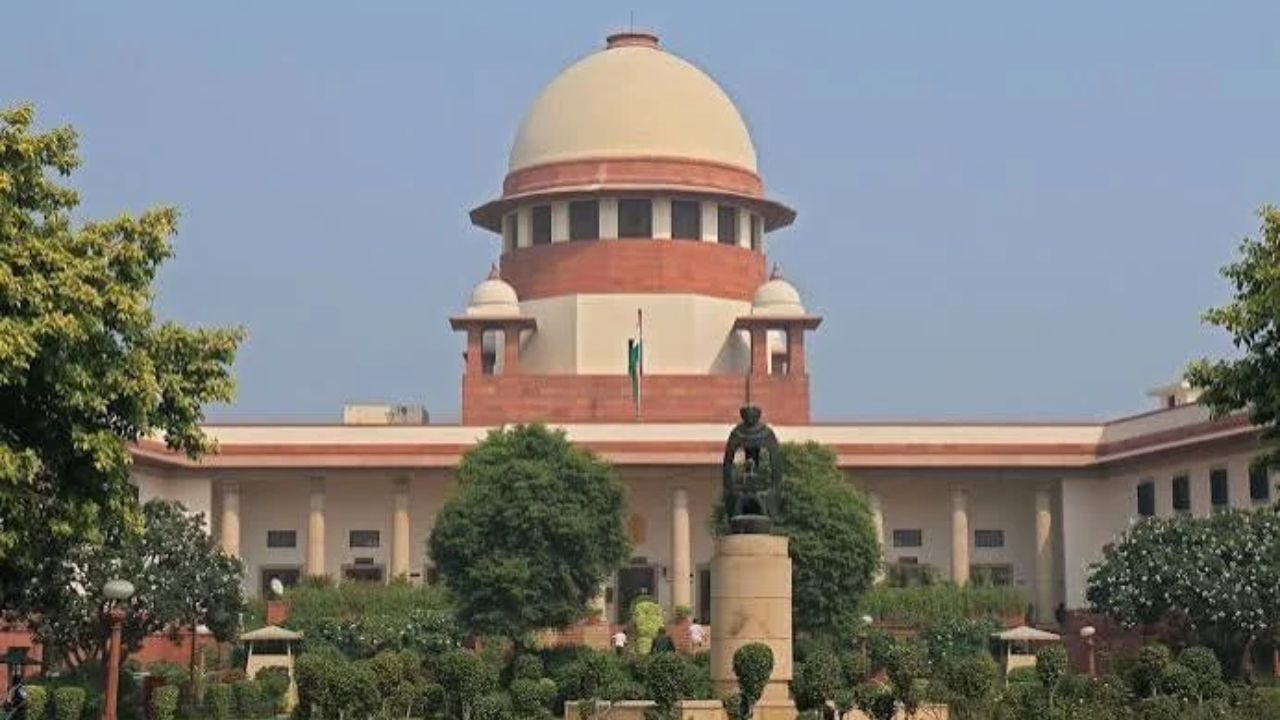
Supreme Court Internet Shutdown Case: PIL seeks judicial scrutiny of temporary mobile internet suspension in parts of Central Delhi. (Img: X)
New Delhi: A temporary mobile internet shutdown in parts of Central Delhi during protests against Chief Election Commissioner Gyanesh Kumar has triggered a legal challenge in the Supreme Court. A Public Interest Litigation (PIL) seeks an examination of the reasons behind the restriction and whether the authorities followed the required legal procedures.
Filed by advocate Narendra Kumar Goswami, the petition asks for the original suspension order, the material used to justify the decision and records of the statutory review process. Although the reported shutdown has already ended, the plea raises a wider question: how should authorities balance public safety with access to digital communication during protests?
According to the petition, mobile internet services were suspended within a four-kilometre radius of the Janpath–Kartavya Path crossing from 10 PM on October 9 to 10 PM on October 10, 2026. The authorisation has been attributed to the Union Home Secretary.
The restriction coincided with protests against Chief Election Commissioner Gyanesh Kumar in the national capital. Authorities can impose communication restrictions in situations involving public order or security concerns, but such measures must comply with the applicable legal framework.
The petitioner acknowledges that the suspension was reportedly authorised by the competent authority. However, the plea argues that the original signed order and supporting documents are needed to assess the grounds for the decision and determine whether the applicable safeguards were followed.
The petition also seeks the reasons for invoking public emergency or public-safety provisions and asks whether less restrictive lawful measures could have addressed the situation without suspending mobile internet services across the specified area.
The petition asks the Supreme Court to examine the official records behind the restriction, including the suspension order, recorded reasons and details of its publication.
It also seeks records of the statutory Review Committee's proceedings and findings, along with documents showing whether the order was sent to the committee within the prescribed 24-hour period.
These records could help establish whether the decision was supported by documented reasons and whether the required review procedures were followed. The petition maintains that the existence of an authorisation alone does not settle questions about compliance with the law.
The plea also refers to the Supreme Court's judgment in the Anuradha Bhasin case, which addressed internet restrictions in Jammu and Kashmir and underscored the importance of publication, review and proportionality in shutdown orders.
The judgment remains an important reference in debates over internet restrictions and the safeguards that should govern decisions affecting access to communication services.
The PIL does not seek the restoration of mobile internet services under the reported restriction because the shutdown had already expired. Instead, it seeks judicial scrutiny of the decision and directions intended to ensure that future restrictions comply with the applicable legal requirements.
The petitioner has also indicated that the matter may overlap with proceedings before another Supreme Court bench concerning restrictions imposed during the Delhi protests. The plea seeks coordinated consideration, if necessary, to avoid duplicate or conflicting orders. No conclusion about procedural violations has been established merely by the filing of the petition. The questions raised remain subject to judicial examination.
Mobile internet is part of everyday life for residents, commuters, workers, businesses and journalists. People rely on it for digital payments, navigation, news updates, work-related communication and contact with family members.
A shutdown can disrupt these activities, even when it is limited to a particular area and time period. For people covering protests or travelling through the affected zone, the loss of connectivity may also complicate access to timely information.
At the same time, authorities may consider restrictions necessary when dealing with genuine public-order or security concerns. The central issue is whether a measure is legally justified, proportionate to the situation and supported by the required documentation.
By seeking official records, the petition places transparency and accountability at the centre of the debate. It asks the court to examine not only why the restriction was imposed but also how the decision was made and reviewed.

