English
 English

Police have registered more than 20 FIRs over alleged offences linked to attempts to hold unauthorised demonstrations. (Img: X)
New Delhi: The protest row over the Special Intensive Revision (SIR) of electoral rolls has intensified in Delhi, with police registering more than 20 First Information Reports (FIRs) over attempts to hold unauthorised demonstrations. The protests were called by the Cockroach Janata Party (CJP), which has demanded the resignation of Chief Election Commissioner Gyanesh Kumar over alleged irregularities in the electoral roll revision exercise.
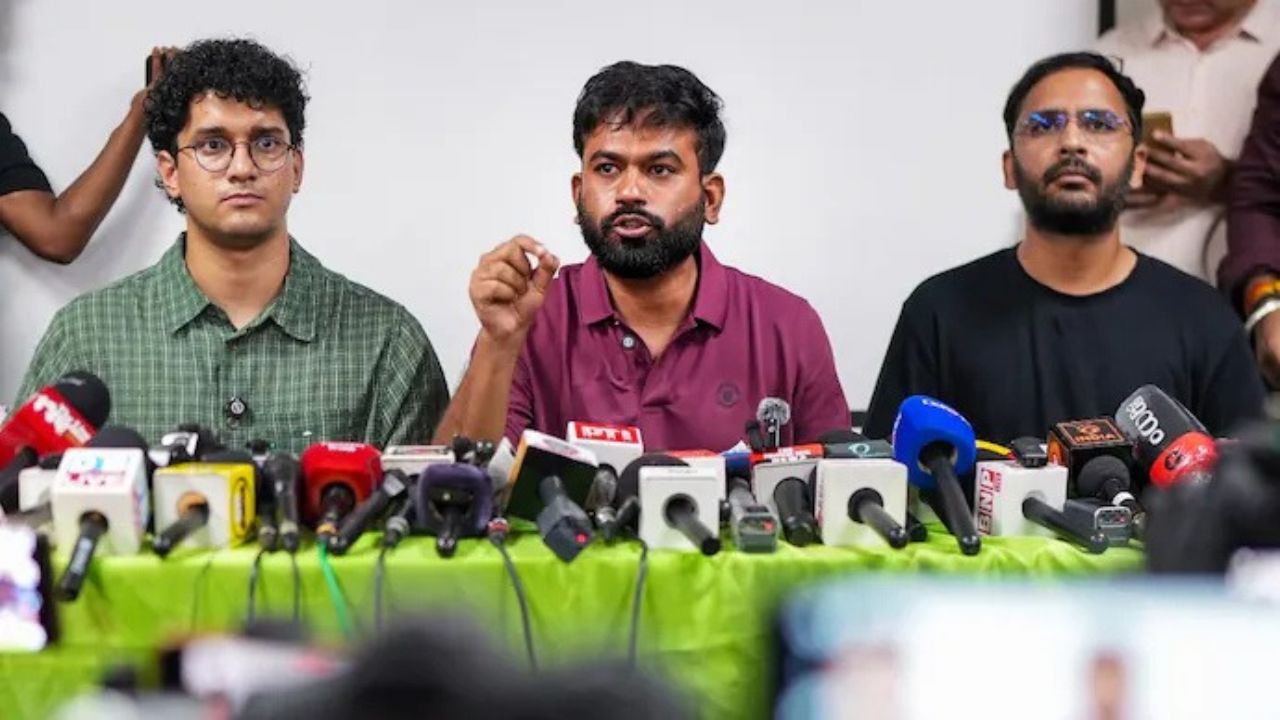
The latest development comes after thousands of protesters were detained during a major security operation in the capital on Saturday. At the same time, CJP leaders Abhijeet Dipke, Saurav Das and Ashutosh Ranka were released by an Executive Magistrate on Sunday after being placed under preventive detention.
The police action, detention of political leaders and restrictions in parts of Delhi have brought the dispute into the spotlight, raising questions about protest permissions, public order and the ongoing political debate over electoral roll revision.
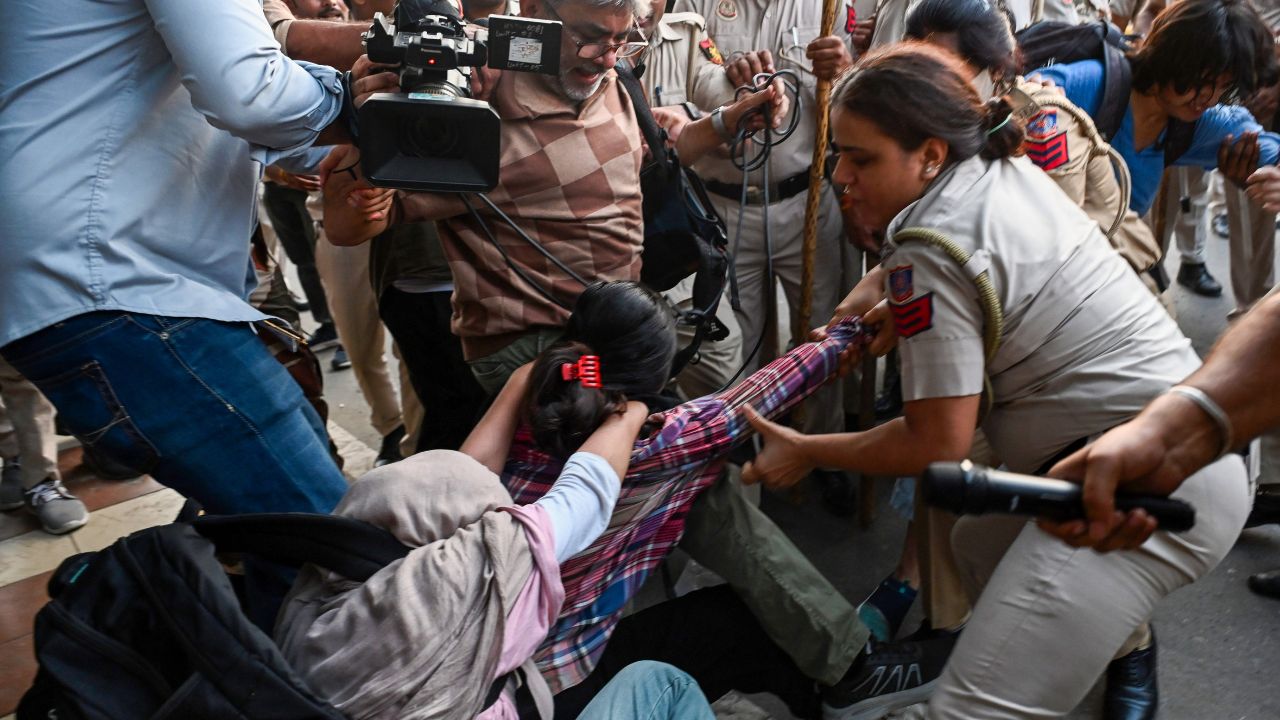
According to police officials, more than 20 FIRs have been registered in connection with attempts to organise protests without permission in different parts of the national capital. The cases involve allegations of obstructing government officials, interfering with official duties, taking the law into one’s own hands and assaulting police personnel.
The proposed demonstration was planned at Jantar Mantar, a prominent protest location in Delhi. The CJP had called for the gathering to demand the resignation of CEC Gyanesh Kumar and raise concerns about the Special Intensive Revision of electoral rolls.
Police had denied permission for the demonstration and warned against unauthorised gatherings. Security personnel were deployed at sensitive locations to prevent large crowds from assembling and to maintain law and order.
The registration of the FIRs marks a major development in the ongoing dispute. However, the allegations are subject to investigation and legal proceedings, and the filing of an FIR does not by itself establish guilt.
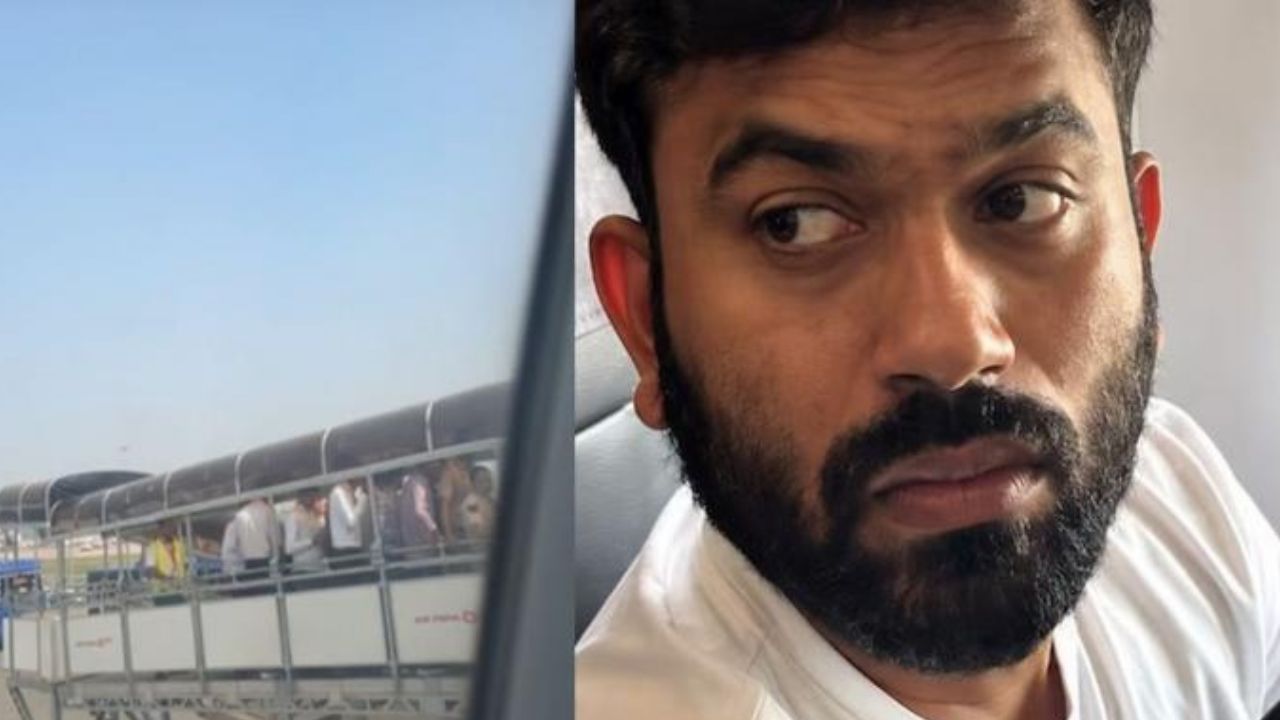
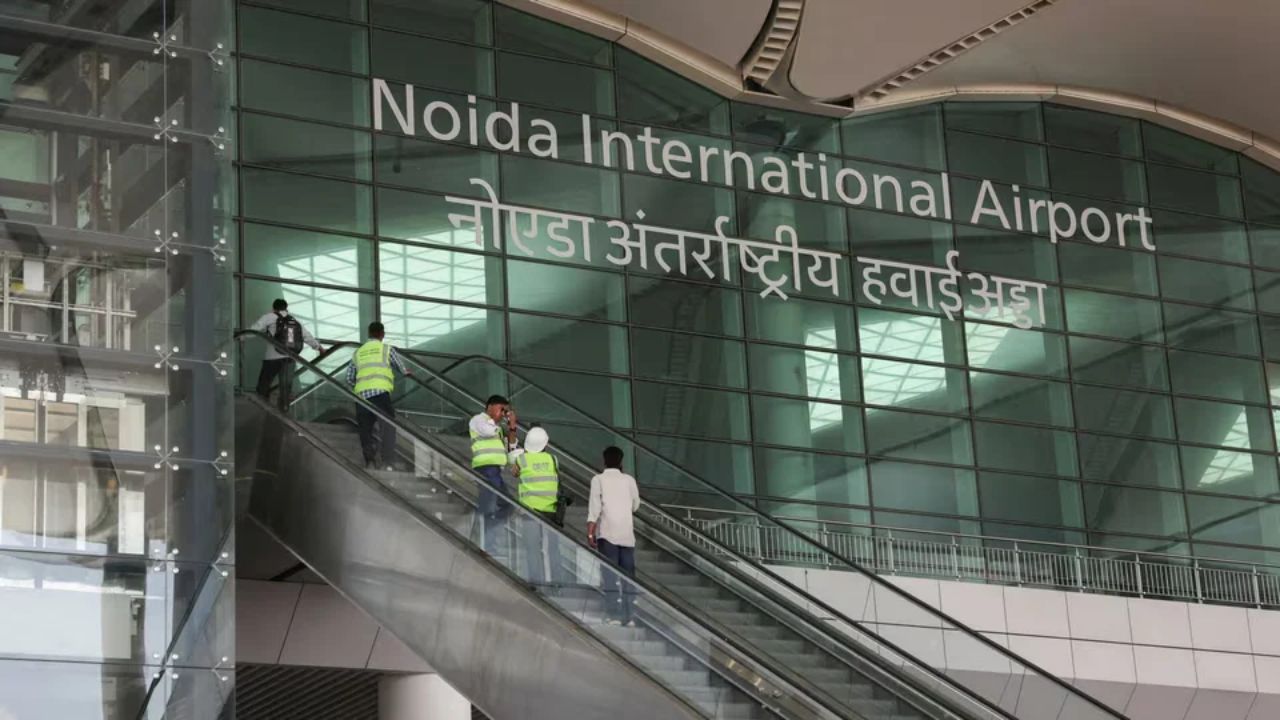
CJP leaders Abhijeet Dipke, Saurav Das and Ashutosh Ranka were detained at Indira Gandhi International Airport on Saturday after arriving in Delhi for the planned protest.
They were subsequently scheduled to appear before an Executive Magistrate at Delhi Cantonment Police Station. On Sunday, the magistrate ordered their release, according to Ratna Singh, who heads the party’s legal affairs team.
Their release is a significant development in the protest dispute, although the police cases and the wider controversy remain unresolved. The CJP has indicated that it intends to continue its campaign over electoral roll revision and its demand for the CEC’s resignation.
Social media influencer Dhruv Rathee was also detained at his residence in Gurugram on Saturday and released early on Sunday. His detention drew additional public attention to the police action against people associated with the planned agitation.
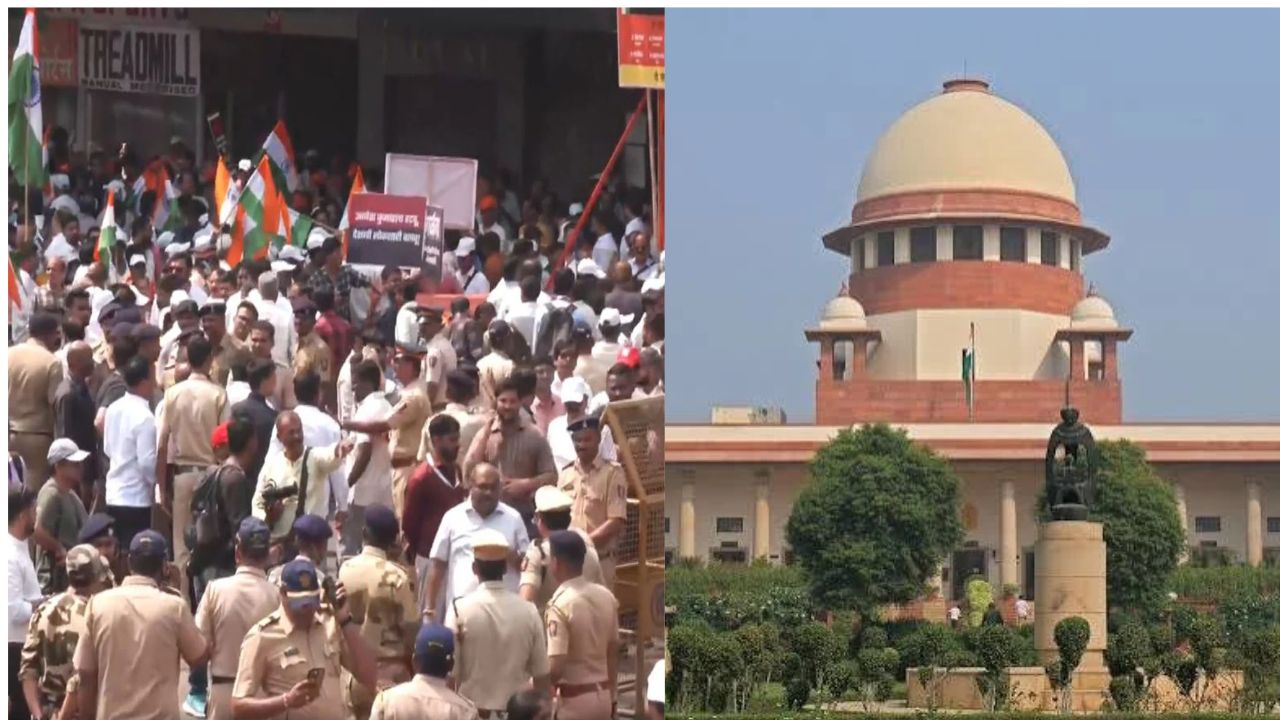
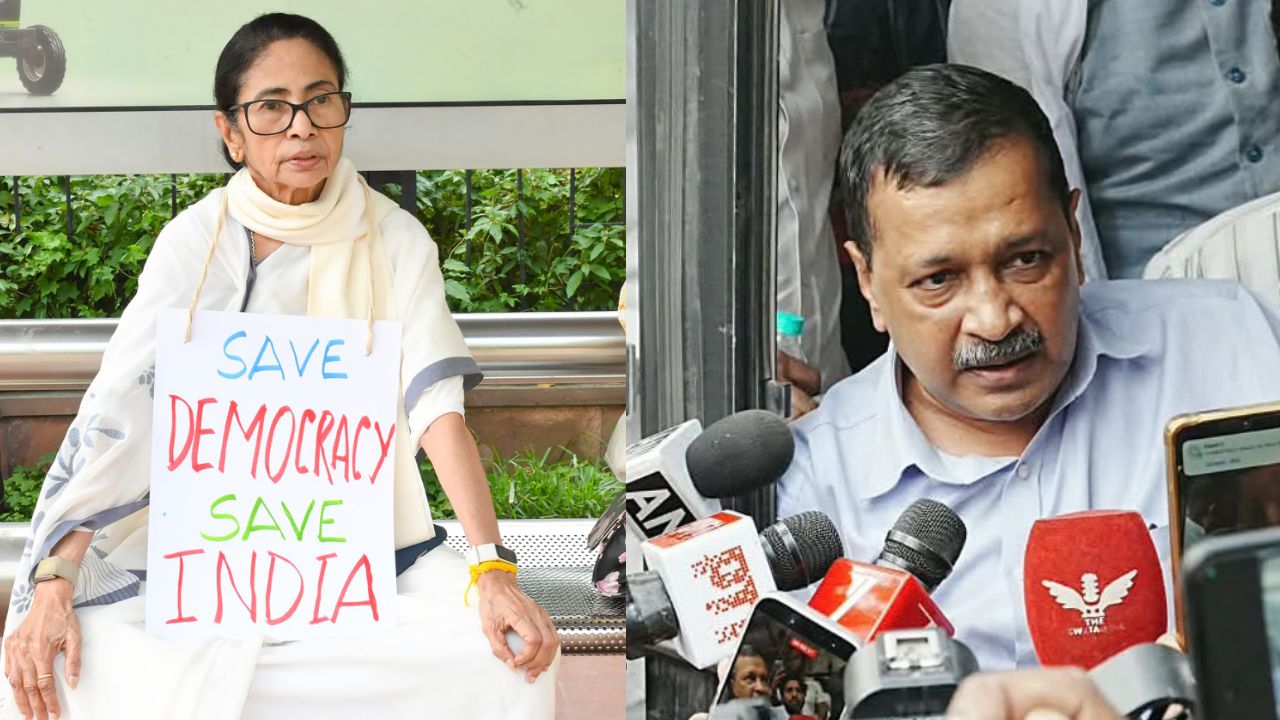
More than 3,000 protesters were reportedly detained in Delhi on Saturday as police moved to prevent them from reaching Jantar Mantar. Those detained included several prominent political figures, including former West Bengal Chief Minister Mamata Banerjee, Aam Aadmi Party national convener Arvind Kejriwal, former Kerala Chief Minister Pinarayi Vijayan and former Tripura Chief Minister Manik Sarkar.
The planned demonstration broke into smaller gatherings across the city after security personnel prevented protesters from assembling at the intended location. Those detained were taken to different destinations, including Chhatrasal Stadium and police stations. Most of the protesters, including several opposition leaders, were released later in the evening.
The scale of the detentions and the security arrangements made the protest one of the major political and law-and-order developments in the capital over the weekend.
Authorities also imposed roadblocks, traffic diversions and internet restrictions in parts of Delhi. These measures were aimed at controlling crowds and preventing disorder, but they also raised concerns about disruption to everyday activities.
Security remained heightened on Sunday after CJP organisation in-charge Ajinkya Shinde announced plans for another march towards Jantar Mantar. The party said it would continue its agitation until its demands were addressed.
Police had denied permission for the proposed gathering and prepared for possible fresh demonstrations. Security was strengthened at Delhi’s borders, railway stations, bus terminals and other major transport hubs.
Reports indicated that Central Armed Police Forces personnel had also been deployed to assist Delhi Police. Authorities increased vehicle checks and verification at hotels, guest houses, lodges and other accommodation facilities. Police teams were also monitoring social media for information about possible attempts to mobilise crowds.
The New Delhi district was divided into security zones, with senior officers supervising arrangements and monitoring developments on the ground. Police appealed to residents to maintain peace and cooperate with security personnel.
The Delhi Traffic Police warned of possible disruption in New Delhi and Central Delhi. Depending on the situation, diversions could affect routes leading to railway stations, inter-state bus terminals and the airport. Commuters were advised to check official traffic updates and allow extra time for their journeys.
The CJP protest centres on the Special Intensive Revision of electoral rolls, an exercise involving the review and updating of voter lists. The party has alleged irregularities in the process and has demanded the resignation of Chief Election Commissioner Gyanesh Kumar.
Electoral roll revision is a significant issue because voter lists determine who is eligible to participate in elections. Questions about the accuracy, transparency and fairness of the process can therefore have wider implications for public confidence in the electoral system.
The allegations raised by the CJP remain claims made by the organisation and should not be treated as established findings. The protest has nevertheless brought electoral transparency, the right to demonstrate and the management of public gatherings into the national conversation.