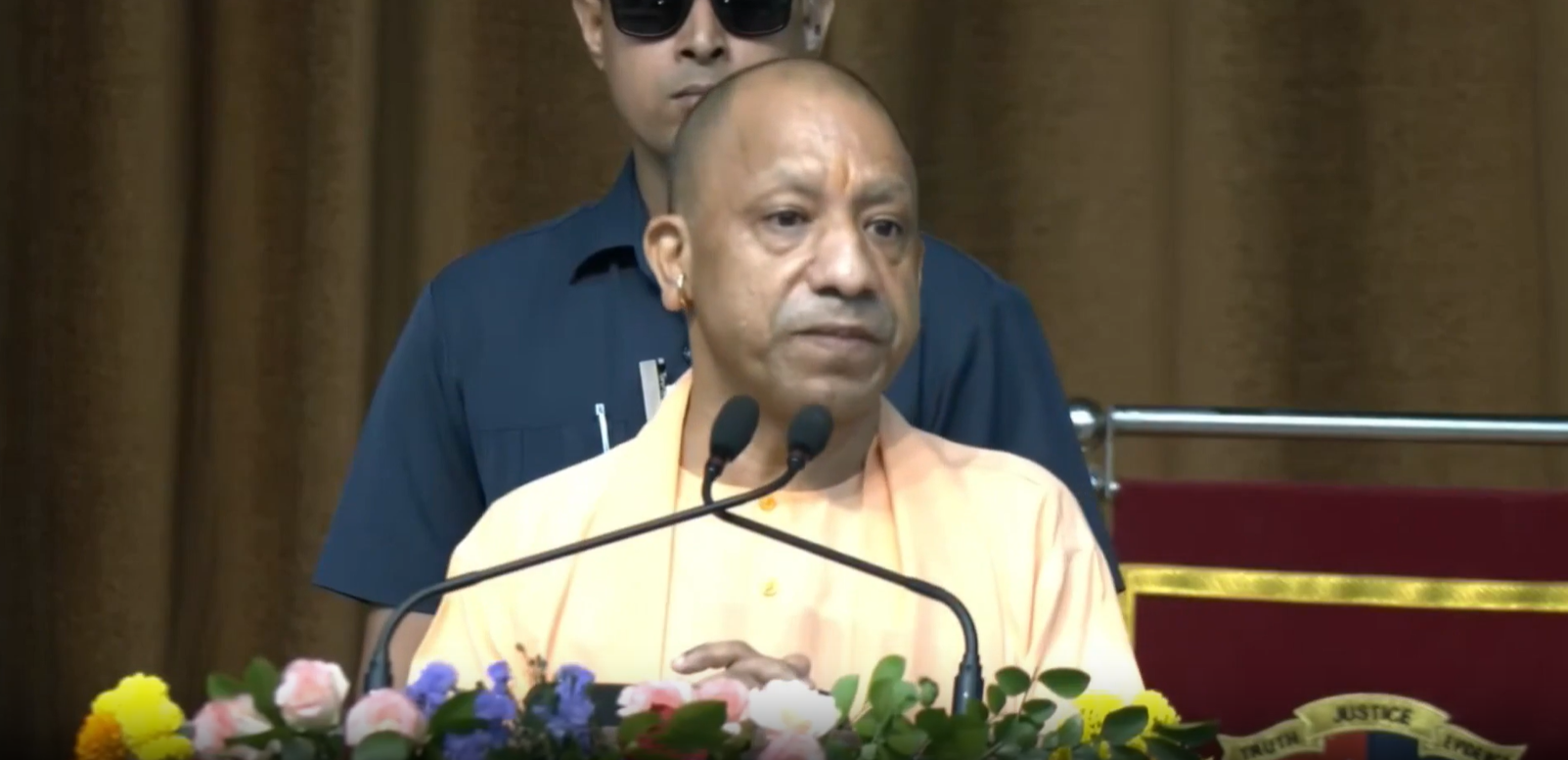
Can emerging technologies strengthen criminal investigations and protect citizens? Yogi Adityanath puts cybersecurity and forensic science in focus at TechSangam 2026. (Img: X)
Lucknow: Uttar Pradesh Chief Minister Yogi Adityanath has underscored the importance of connecting emerging technologies with public welfare, criminal justice and youth employment as the state prepares to showcase its technological progress at TechSangam 2026 in Lucknow.
In a post on X on Saturday, the Chief Minister said modern technology, scientific research and skilled professionals in cybersecurity and forensic science are essential to building a safer, more technologically advanced society.
The event, being organised at the Uttar Pradesh State Institute of Forensic Science (UPSIFS) in Lucknow, will focus on emerging technologies, including artificial intelligence, cyber forensics, quantum technology and data protection.
According to the Chief Minister, TechSangam 2026 will bring scientists, technical experts, policymakers, legal professionals and industry representatives from India and abroad onto a common platform.
Discussions on cybersecurity, the reliability of digital evidence and the responsible use of emerging technologies are expected to encourage collaboration between research institutions, educational establishments and industry. The broader objective is to explore how technological innovation can improve citizen safety, strengthen digital trust and make the justice delivery system more effective.
Highlighting what he described as a transformation in Uttar Pradesh’s work culture, Yogi Adityanath compared the state’s cybersecurity and forensic infrastructure before and after 2017.
The Chief Minister said Uttar Pradesh had only two cyber police stations and four forensic laboratories before 2017. He argued that limited scientific investigation capabilities and inadequate use of technological evidence had created challenges in bringing offenders to justice. He also cited a conviction rate of below 30 per cent during that period.
According to the figures shared by the Chief Minister, all 75 districts now have cyber police stations, while efforts are underway to establish forensic laboratories in every division.
The expansion of these facilities is intended to strengthen the state's response to cybercrime and improve the use of scientific evidence during investigations. The Chief Minister also said the conviction rate had increased, although he did not provide a current figure in the post.
As crimes increasingly involve digital devices, online transactions and electronic communications, investigators face a growing need for specialised technical expertise. Cybersecurity systems and forensic analysis can help investigators examine digital evidence, identify potential offences and support evidence-based investigations.
However, technological infrastructure alone does not guarantee convictions. Effective investigations also depend on trained personnel, reliable evidence collection, proper preservation of digital records and adherence to legal procedures.
The emphasis on scientific investigation at TechSangam 2026 comes amid wider discussions about digital security, the credibility of electronic evidence and the need to build public confidence in technology-driven governance.
Beyond law enforcement, Yogi Adityanath highlighted the potential of cybersecurity and forensic science to create opportunities for young people in education, research and employment. As artificial intelligence, digital security and data protection become increasingly important across industries, specialised training could help students develop skills relevant to emerging technology careers.
Collaboration between universities, research institutions and industry could also help bridge the gap between academic learning and practical requirements. The Chief Minister said connecting technological progress with a brighter future for youth was a key priority. He also linked the initiative to the broader goals of technological self-reliance and the vision of a developed India.
TechSangam 2026 is being positioned as a platform to connect scientific research, public safety and technological innovation. Its significance will ultimately depend on how discussions translate into stronger institutional capabilities, practical research partnerships, skilled employment and improved protection for citizens.
For Uttar Pradesh, the challenge is not only to expand its technology infrastructure but also to ensure that the benefits reach people through safer digital services, more effective investigations and greater access to specialised education.
The event also reflects a wider national priority: using emerging technologies responsibly while building the skills and institutions needed to support India’s digital future.
As the state highlights its progress in cybersecurity and forensic science, the focus will remain on whether these investments can deliver measurable improvements in justice, public welfare and opportunities for the next generation.

