 English
 English

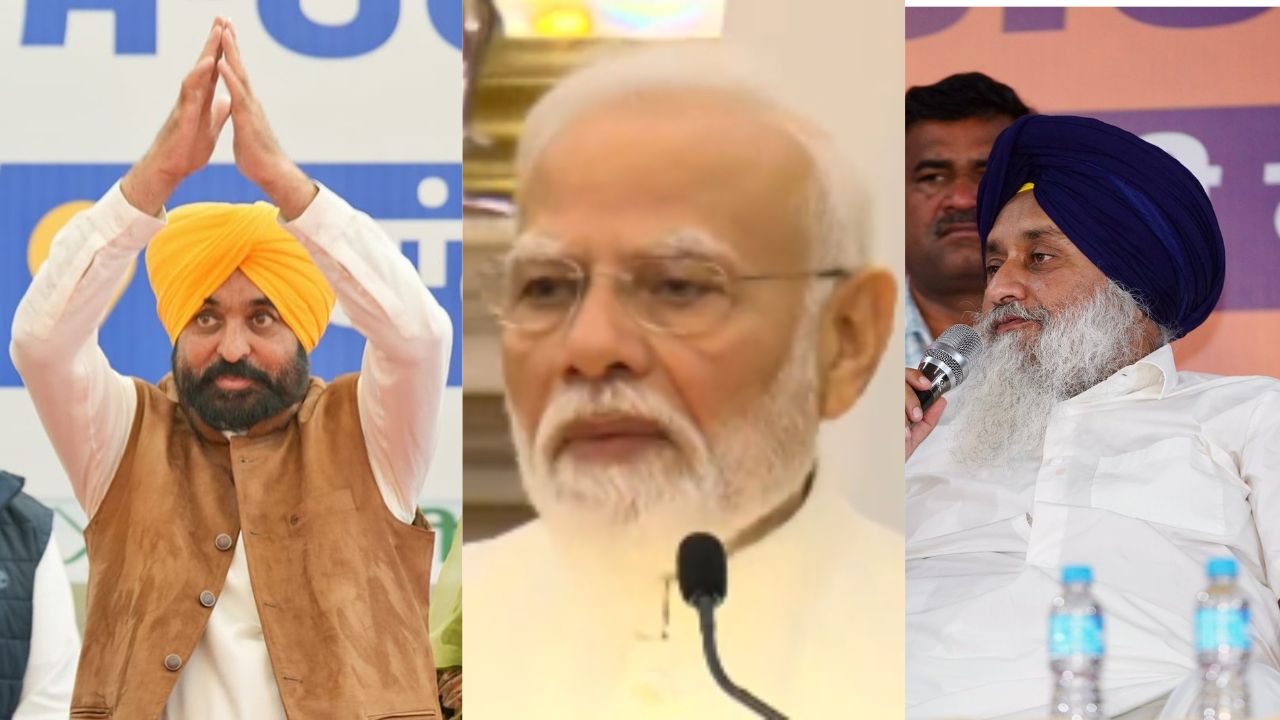
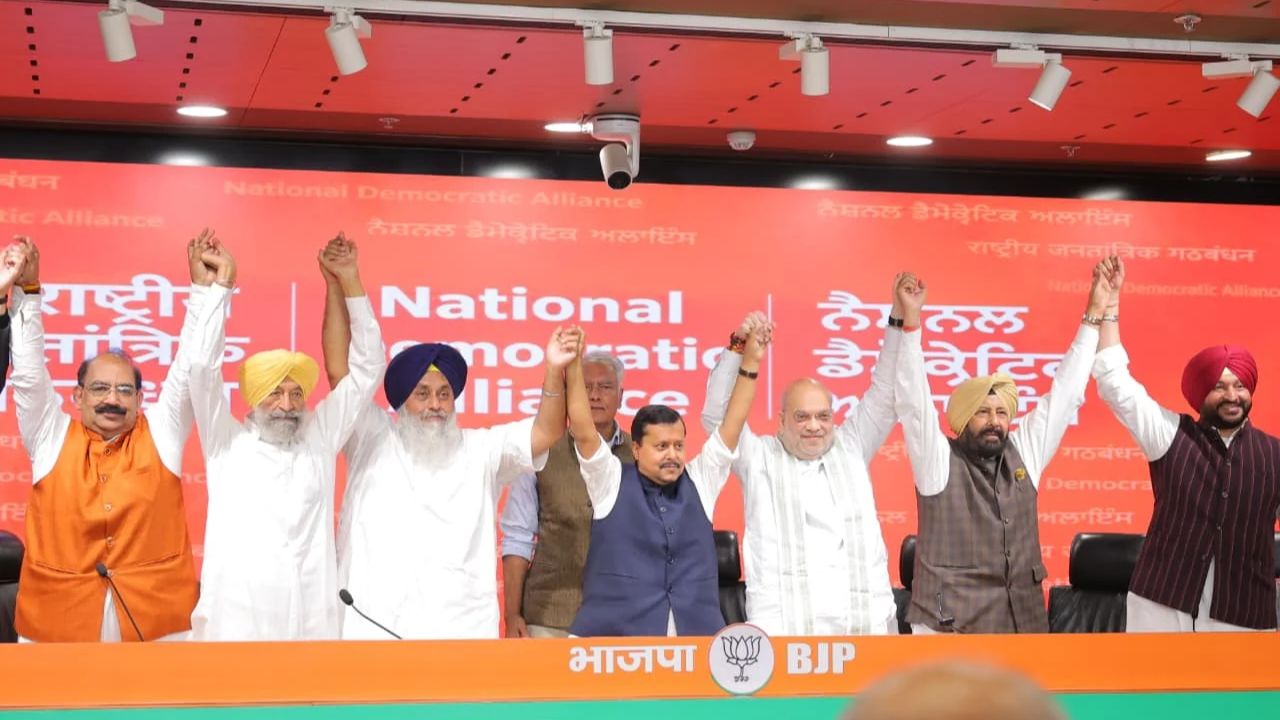
Former allies SAD and BJP reunite ahead of the 2027 Punjab Assembly elections, setting the stage for a fresh political contest. (Img: X)
Chandigarh: The revival of the Shiromani Akali Dal (SAD)-Bharatiya Janata Party (BJP) alliance ahead of the 2027 Punjab Assembly elections marks a significant realignment in the state's political landscape. Six years after their acrimonious separation over the Centre's three farm laws, the former allies have decided to bury their differences and join forces once again, hoping to reclaim political ground lost during a period of electoral setbacks and organisational uncertainty.
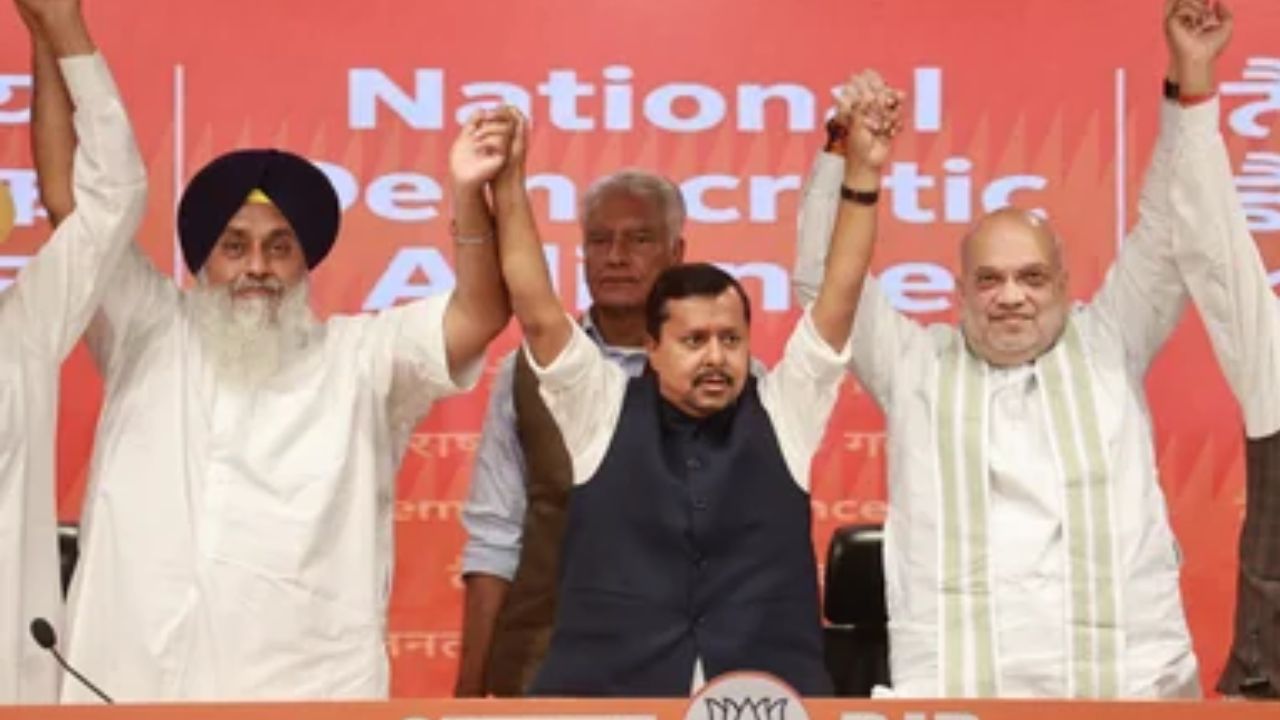
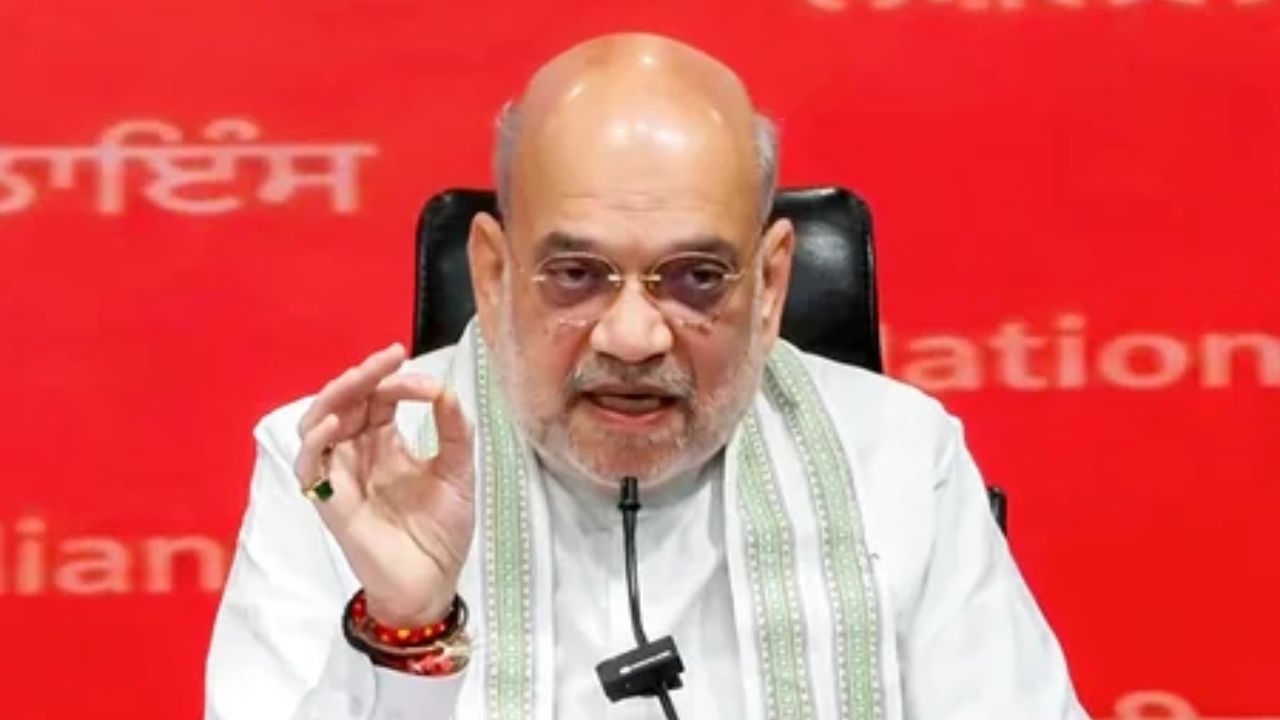
The reunion, announced on November 24 in the presence of Union Home Minister Amit Shah, BJP president Nitin Nabin and SAD president Sukhbir Singh Badal, brings back a partnership that had shaped Punjab's electoral politics for nearly a quarter of a century. However, the political circumstances in which the alliance is returning are markedly different from those that once made it a formidable electoral combination.
The announcement also comes at a time when Punjab's political arena is witnessing considerable fragmentation, with the ruling Aam Aadmi Party (AAP), Congress and several regional political formations competing for influence. The alliance may alter the electoral calculations, but whether it can translate renewed political understanding into public support remains an open question.
Also Read: Jokes on Chhath, Sindoor and Bihar Women Land Delhi-Based Comedian in Legal Trouble
The SAD-BJP partnership dates back to 1996 and was built on a political understanding that allowed the two parties to draw strength from distinct voter constituencies. While the Akali Dal traditionally commanded support among sections of the Sikh community and the rural electorate, the BJP had a stronger presence in urban areas and among Hindu voters.
The arrangement proved electorally successful, with the two parties forming governments in Punjab in 1997, 2007 and 2012. Their alliance was often projected as a symbol of communal harmony and political cooperation in a state with a complex history.
However, the relationship unravelled in September 2020 when the Akali Dal withdrew from the National Democratic Alliance (NDA) in protest against the Centre's three contentious agricultural laws. Harsimrat Kaur Badal resigned from the Union Cabinet, while Sukhbir Singh Badal announced the party's decision to sever ties with the BJP.
Although the three farm laws were repealed in November 2021, the political and organisational distance between the two parties persisted. Both subsequently contested elections independently, with neither managing to regain the influence it once enjoyed.
The electoral performance of both parties in recent years provides an important backdrop to their reunion. In the 2022 Punjab Assembly elections, the SAD managed to win only three of the state's 117 seats, while the BJP secured two. The AAP registered a sweeping victory, fundamentally altering the state's traditional political equations.
The 2024 Lok Sabha elections further underlined the challenges confronting the former allies. The Congress won seven of Punjab's 13 parliamentary constituencies, while the SAD managed to retain Bathinda. The BJP failed to win a seat, although its vote share rose to approximately 18.6 per cent, compared with the SAD's 13.4 per cent.
For the Akali Dal, the alliance offers an opportunity to strengthen its electoral position and recover sections of its traditional support base. For the BJP, the partnership provides a route into rural Punjab, where establishing an independent political footprint has historically been difficult.
However, the reunion also raises questions about the distribution of electoral constituencies and the relative bargaining power of the two partners. Amit Shah has indicated that the SAD will remain the senior partner and that the Chief Minister would be from the Akali Dal if the alliance wins. The precise seat-sharing arrangement, however, remains a significant political consideration.
The biggest test for the reunited alliance could lie in overcoming the political legacy of the farmers' agitation. The farm laws had triggered widespread protests in Punjab, creating deep resentment against the BJP among sections of the farming community. The Akali Dal's decision to leave the NDA was itself a consequence of that political upheaval.
The repeal of the laws may have removed the immediate legislative flashpoint, but it does not necessarily mean that the political mistrust generated during the agitation has disappeared. The BJP will have to demonstrate that it can rebuild confidence among rural voters, while the SAD will need to convince its traditional constituency that its renewed partnership does not compromise its political commitments.
The Akali Dal also faces the continuing challenge of restoring its credibility following the controversy surrounding the 2015 sacrilege incidents and subsequent police firing. These developments have had a lasting impact on its political standing and have contributed to the erosion of its traditional Panthic support base.
The emergence of rival Akali formations, including SAD (Punar Surjit) and Akali Dal (Waris Punjab De), associated with Amritpal Singh, further complicates the party's efforts to consolidate Sikh political support.
Also Read: Congress Objects To SP’s Surprise Move, Imran Masood Questions Alliance Ahead Of UP Polls
The alliance's return could also compel the AAP and Congress to reassess their strategies ahead of the Assembly elections. The AAP, which stormed to power in 2022, will seek to defend its governance record, welfare initiatives and promises of administrative reform. Its challenge will be to retain the support of voters who backed it as an alternative to Punjab's established political parties.
The Congress, meanwhile, will look to capitalise on its parliamentary performance in the state and the political space available to an opposition party. The renewed SAD-BJP understanding could make the contest more complicated by bringing together two parties with complementary organisational strengths.
Yet, Punjab's politics cannot be reduced to a straightforward calculation of combining vote shares. The state's electorate has undergone considerable political change, and support for one alliance partner does not automatically translate into support for the other. The BJP's expanding electoral ambitions and the Akali Dal's need to reclaim its traditional constituency could also create fresh tensions within the partnership.
Beyond electoral arithmetic, the revived alliance will have to confront questions of governance, unemployment, agricultural distress, drug trafficking, corruption and the state's economic difficulties. These concerns are likely to feature prominently in the electoral discourse, particularly as voters assess the performance of successive governments.
Both parties have indicated that the fight against drugs and corruption will be central to their political messaging. However, the Akali Dal, in particular, will have to address the criticism it faced during its previous tenure, while the BJP will need to establish a stronger connection with Punjab's rural electorate.
The reunion is therefore as much an exercise in political survival as it is an attempt at electoral consolidation. The Akali Dal needs the BJP's organisational resources and wider political reach, while the BJP stands to benefit from the regional party's established network and rural connections.
The partnership may revive memories of an earlier political era, but Punjab is no longer the electoral landscape that the two parties once dominated. With AAP having disrupted the traditional Congress-Akali contest and newer political forces challenging established identities, the road to 2027 is likely to be considerably more complicated.
Ultimately, the SAD-BJP reunion will be judged not by the symbolism of its announcement or the history of its partnership, but by its ability to rebuild public confidence. The two parties have managed to overcome their political differences; whether Punjab's voters are willing to move beyond them is the larger question.