 English
 English

Communications Minister Jyotiraditya Scindia addressing India Mobile Congress (Img: X? Video screen grab)
New Delhi: India’s satellite internet sector is at the centre of a fresh debate after Communications Minister Jyotiraditya Scindia clarified that three companies have received satellite communication (satcom) licences but cannot begin commercial operations until they meet the required security conditions and the government finalises the spectrum pricing mechanism.
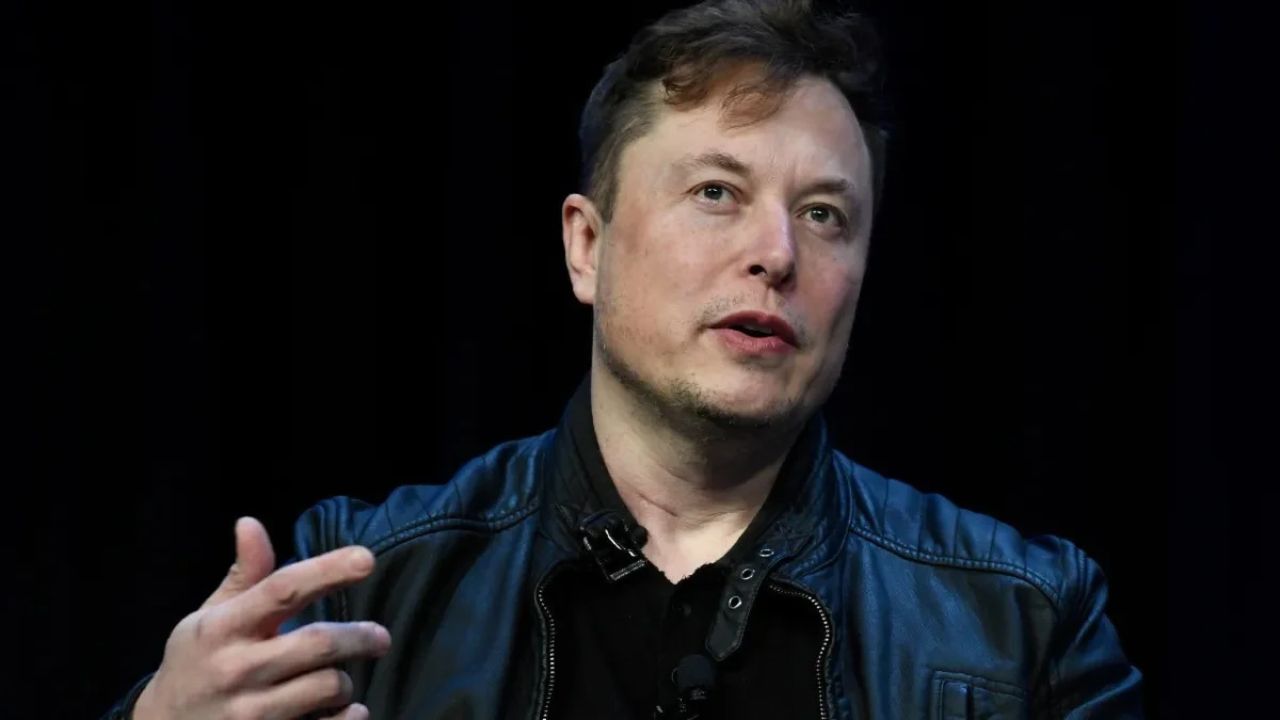
The statement comes amid a public exchange involving Elon Musk, Congress leader Rahul Gandhi and the government over the delay in launching SpaceX’s Starlink satellite internet service in India.
Scindia stressed that the process applies to multiple operators, not just one company, and said the government wants consumers to have choices in a competitive market.
Starlink: Elon Musk’s satellite internet company, operated by SpaceX.
OneWeb: The satellite communications business backed by the Bharti Group and Eutelsat.
Jio Satellite Communications: A subsidiary of Reliance Jio’s parent group.
All three must satisfy the applicable security requirements before moving to the next stage of the approval process. A licence alone does not automatically authorise a company to launch commercial services.
Starlink has been seeking to enter India’s satellite broadband market, but the rollout remains dependent on regulatory clearances. The government has said security assessments for all three licensed operators are underway.
Scindia said the Telecom Regulatory Authority of India (TRAI) and the Department of Telecommunications (DoT) were close to finalising the spectrum charging mechanism. Spectrum assignment can proceed for a licensed operator once the relevant requirements are fulfilled.
The pending steps are important because satellite internet services require both regulatory authorisation and access to the radio spectrum needed to operate.
The issue gained attention after Musk alleged that unnamed business interests were blocking Starlink’s entry to protect their market position. He later questioned whether Mukesh Ambani had undue influence over the process.
Rahul Gandhi also weighed in on the dispute, responding to Musk on social media. The government rejected allegations of discriminatory treatment and maintained that the same regulatory framework applies to all three operators.
Scindia criticised the Congress over what he described as inconsistent positions on the issue. He reiterated that the government’s objective was to ensure fair competition and provide consumers with multiple service options.
Satellite broadband could help connect remote, rural, mountainous and underserved regions where conventional mobile networks and fibre broadband are difficult to deploy.
However, consumers will have to wait for the required approvals before commercial services can begin. The timing will depend on the completion of security assessments, spectrum assignment and the applicable commercial rollout requirements.
For now, the government’s position is that Starlink, OneWeb and Jio must meet the relevant conditions before launching their services in India.