 English
 English

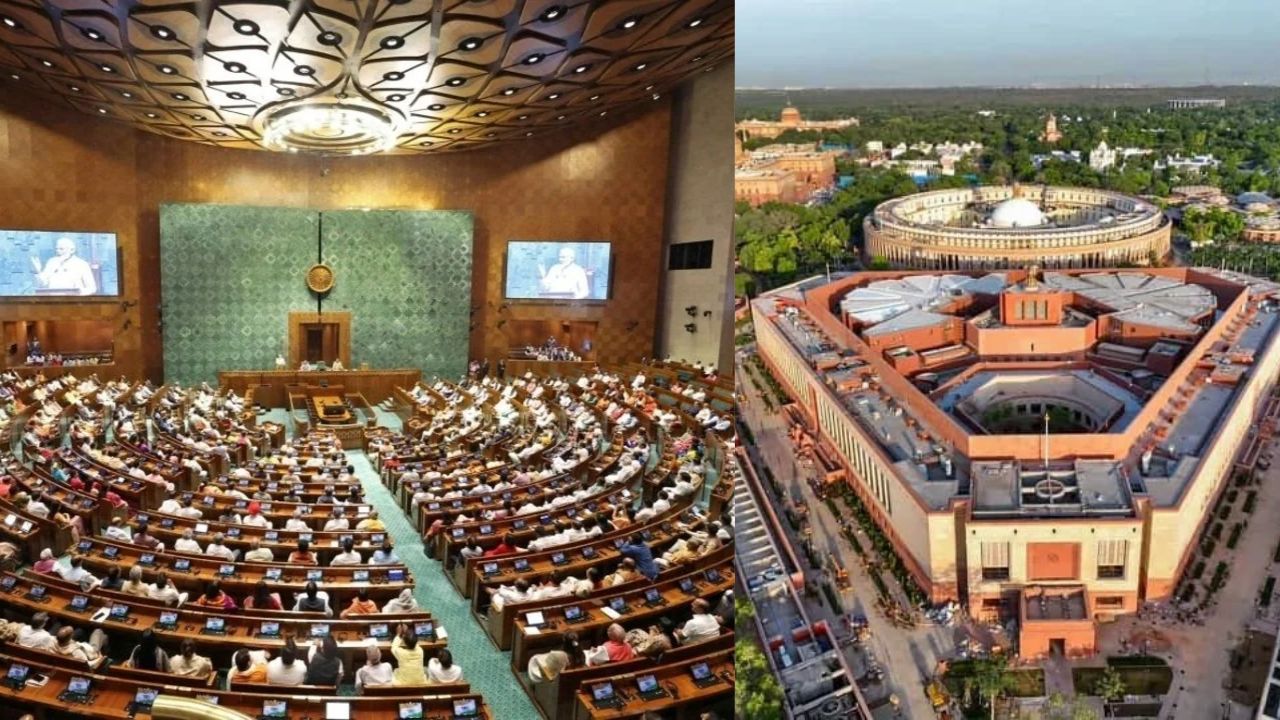
Modi Government's delimitation proposal has triggered a fresh political debate ahead of the 2027 Uttar Pradesh elections. (Img: X)
New Delhi: Uttar Pradesh's political landscape could be heading towards a significant transformation ahead of the 2027 Assembly elections, as the Centre's proposed delimitation exercise has triggered a fresh confrontation between the ruling BJP and opposition parties.
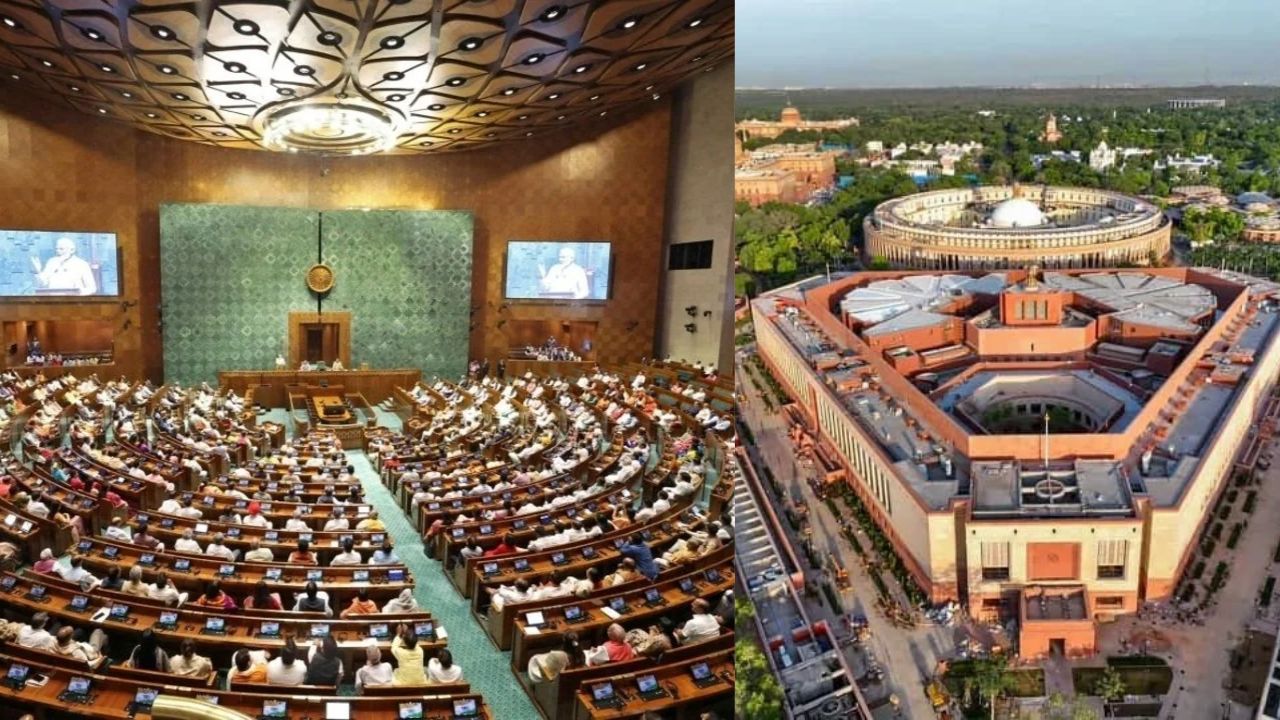
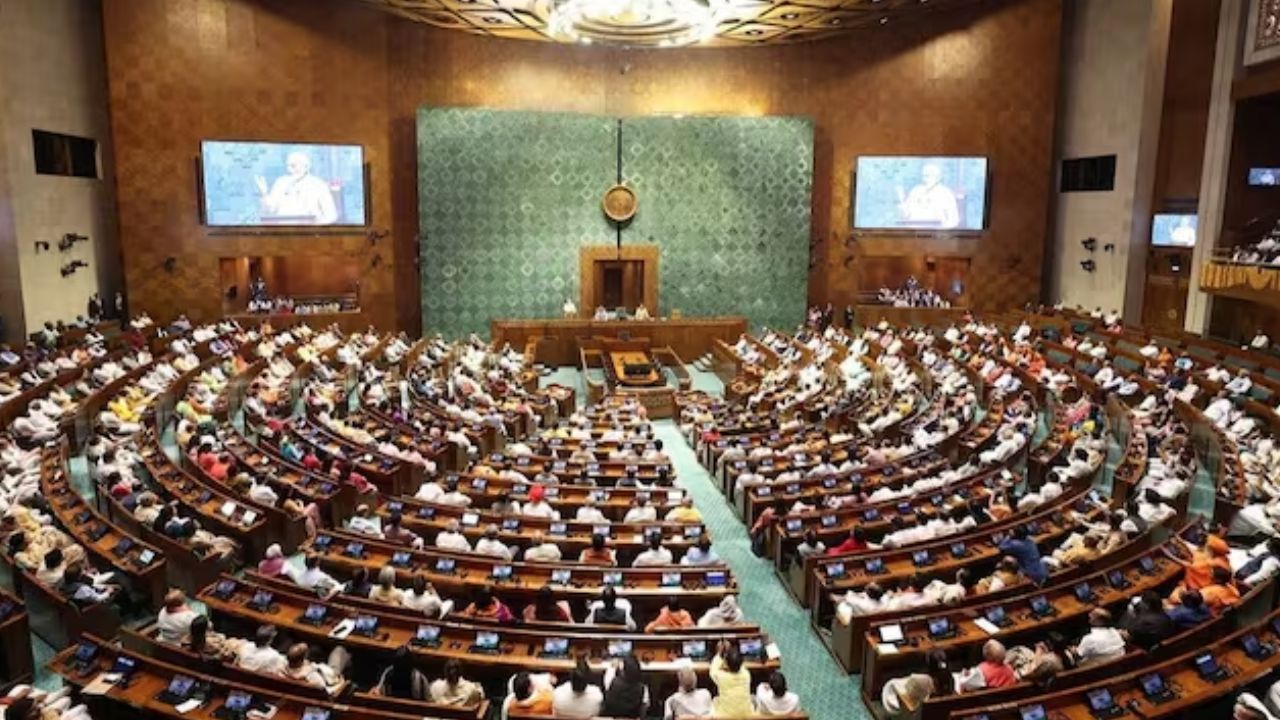
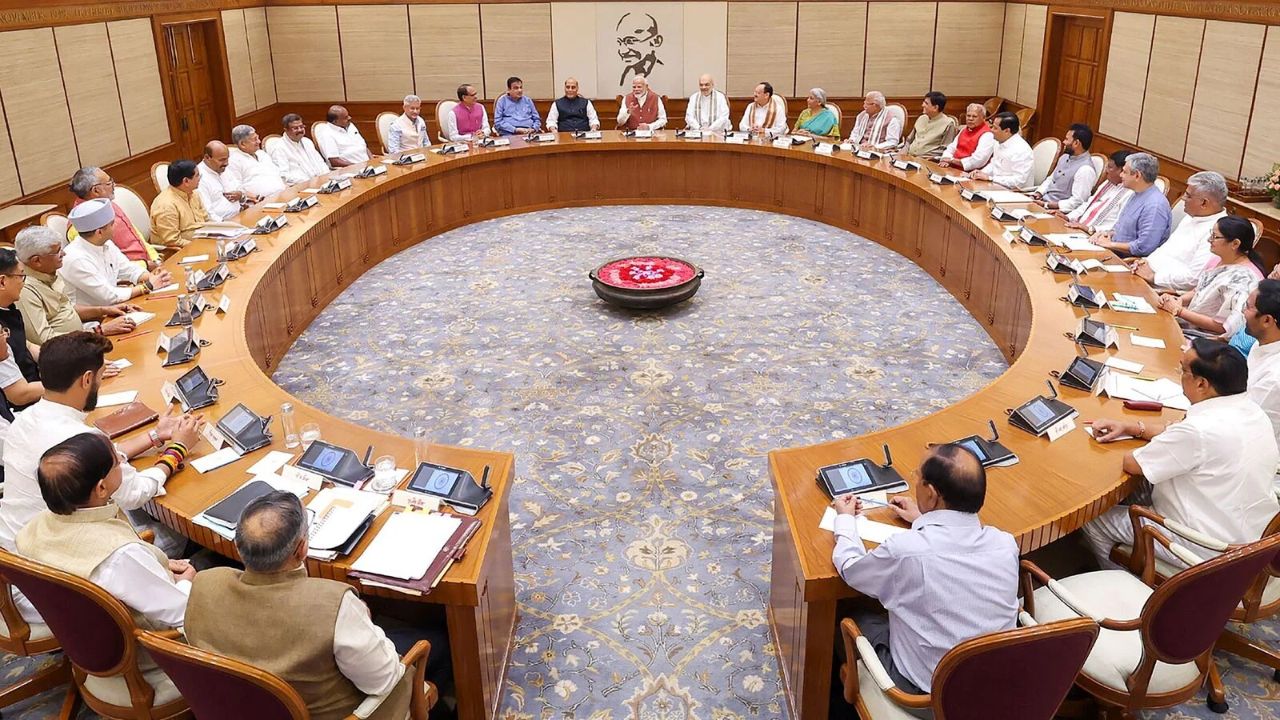
The Union Cabinet, chaired by Prime Minister Narendra Modi, has approved proposals concerning delimitation and amendments to the women's reservation framework. The proposed changes could increase the strength of Parliament and state legislatures by up to 50%, potentially reshaping India's electoral map and political representation.
The timing of the decision has attracted considerable political attention, particularly as Uttar Pradesh prepares for its next Assembly election. With the Samajwadi Party (SP) and Congress questioning the proposal, the emerging political battle raises a crucial question: Could opposition to delimitation inadvertently strengthen the BJP's electoral narrative ahead of 2027?
Also read: Why Is The Government Considering 2011 Census For Delimitation?
Delimitation is the process of redrawing electoral constituency boundaries and determining the distribution of legislative seats. Although primarily an administrative and constitutional exercise, it can have far-reaching political consequences.
Uttar Pradesh, which sends the largest number of MPs to the Lok Sabha, is particularly significant in this debate.
The state currently has 80 Lok Sabha constituencies. Under the proposed 50% expansion formula, its parliamentary representation could rise to approximately 120 seats.
The potential implications for the state Assembly are equally significant. Uttar Pradesh currently has 403 Assembly constituencies. If an identical 50% expansion formula were applied, the number could theoretically increase to around 604 or 605 seats.
However, these figures remain indicative calculations rather than confirmed allocations. The final number of constituencies and their geographical boundaries would depend on the legislation, constitutional provisions and subsequent delimitation process.
For political parties, this could mean more than simply contesting additional seats. Changes in constituency boundaries could alter local electoral dynamics, caste configurations, regional representation and the political influence of established leaders.
Also Read: Delimitation Bill Gets Major Push As Centre Revises Formula, Oppn Faces Numbers Test
The political consequences of delimitation are unlikely to be uniform across parties. For the BJP, the proposal offers an opportunity to position itself around women's political representation, democratic participation and institutional expansion. The party could potentially use the issue to strengthen its political messaging among women voters and communities seeking greater representation.
However, the BJP would also face the challenge of adapting its organisational structure to a potentially larger electoral map. New constituencies could create opportunities for emerging leaders while disrupting existing political arrangements.
For the opposition, particularly the Samajwadi Party and Congress, the central challenge is to ensure that concerns about representation, transparency and electoral fairness resonate with voters.
The political outcome will therefore depend not merely on which parties support or oppose the proposal, but on how effectively they communicate their positions to the electorate.
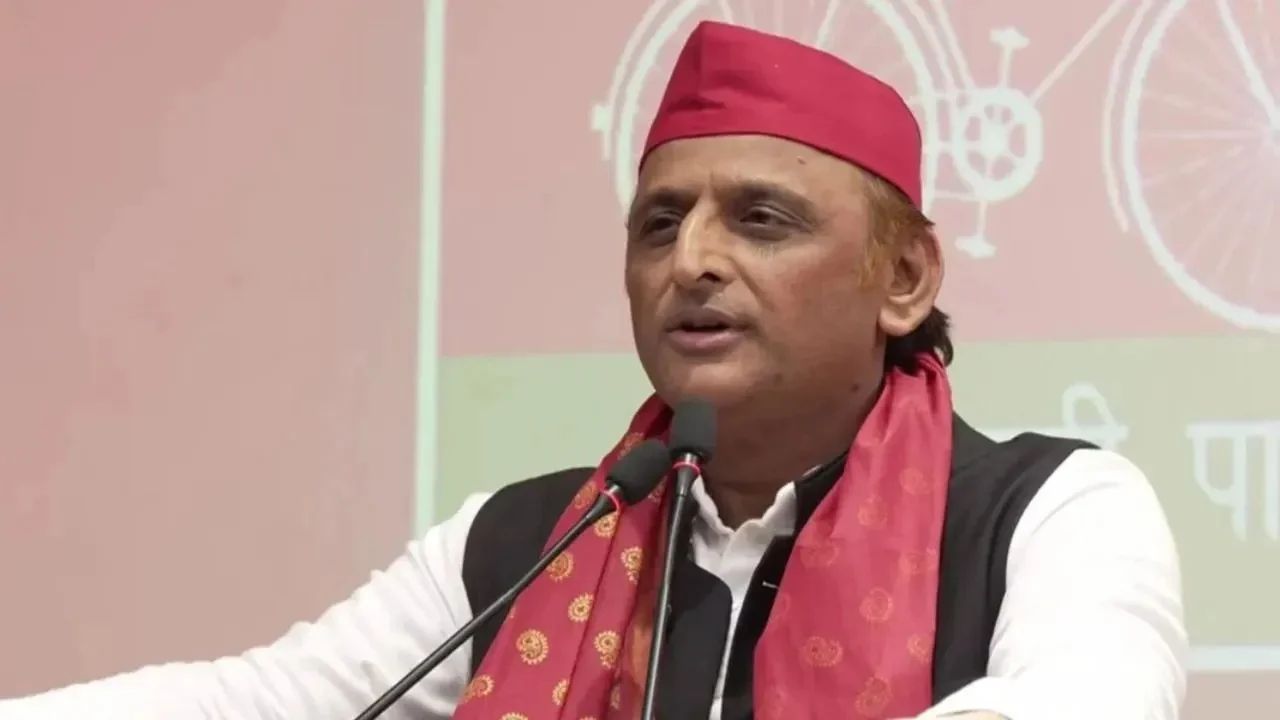
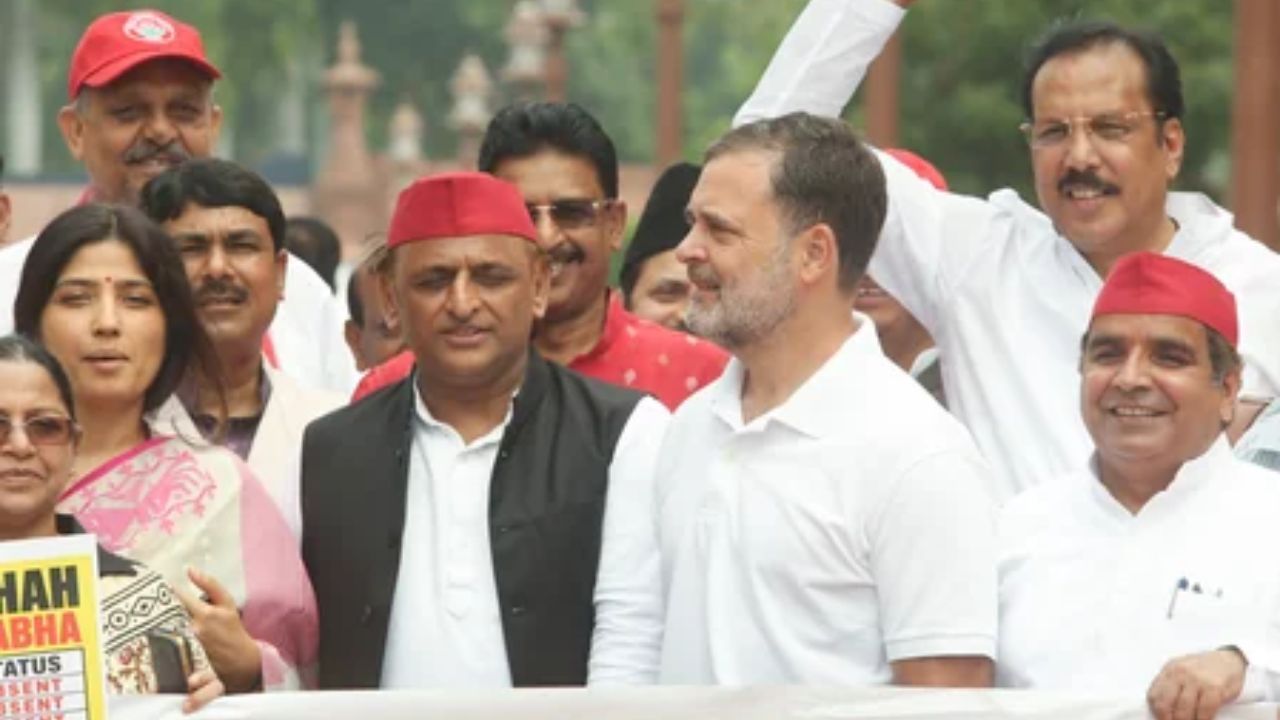
Samajwadi Party president Akhilesh Yadav has questioned the proposed delimitation framework, expressing concerns about the possible political consequences of redrawing constituencies.
The SP's objections are particularly relevant in Uttar Pradesh, where caste representation and social coalitions have historically played an important role in determining electoral outcomes. The party's political strategy relies significantly on support among Other Backward Classes, Dalits and minority communities.
Any substantial alteration in constituency boundaries could change the demographic composition of individual electoral seats, potentially affecting candidate selection, local leadership structures and established voting patterns.
For Akhilesh Yadav, the challenge will be to frame the debate around social justice, equitable representation and constitutional safeguards rather than allowing the controversy to become a straightforward political confrontation with the BJP. The SP will also need to explain how the proposed changes could affect different communities and why the process requires greater scrutiny.
The Congress has also expressed opposition to aspects of the proposed framework, bringing transparency, constitutional safeguards and equitable political representation into the centre of the debate.
The party's position highlights an important distinction: Support for women's reservation does not necessarily mean unconditional support for every mechanism proposed to implement it.
The opposition is likely to focus on whether the delimitation exercise will ensure fair representation across states and communities. The extent to which the SP and Congress can maintain a coordinated position could influence the political trajectory of the debate.
For the BJP, a divided opposition could create an opportunity to consolidate its messaging. However, a united opposition campaign centred on constitutional safeguards and social representation could turn the issue into a political challenge.
This is arguably one of the most consequential aspects of the proposal. Uttar Pradesh's electoral politics has traditionally been shaped by caste identities, regional interests, rural-urban divisions and community-based political mobilisation.
Redrawing constituency boundaries could alter the demographic composition of several electoral areas. Constituencies that currently favour one political formation could acquire different electoral characteristics after boundary changes.
For instance, a constituency with a particular caste concentration could be reorganised to include neighbouring areas with a different demographic profile. Such changes could affect the electoral calculations of the BJP, SP, Congress and other regional political parties.
However, delimitation does not automatically benefit any particular caste group or political formation. Its actual impact would depend on the final boundaries, population distribution, reservation provisions and local political circumstances.
The exercise could also create opportunities for new political representatives, particularly women and emerging leaders who have historically struggled to secure electoral opportunities.
Beyond the immediate political confrontation, women's representation remains one of the most important dimensions of the proposed changes. The government has presented the legislative framework as part of its effort to advance women's political participation and facilitate the implementation of women's reservation.
If implemented effectively, the changes could create greater opportunities for women to enter Parliament and state legislatures. For Uttar Pradesh, this could significantly influence political recruitment, candidate selection and the internal functioning of political parties. All major political formations would potentially have to reconsider their candidate-selection strategies and organisational structures.
For ordinary voters, the issue is equally important. Greater representation could bring new voices into legislative decision-making, although the practical benefits would depend on implementation and the actual distribution of opportunities.
Cabinet approval of a proposal and the actual implementation of a new electoral structure are separate stages. The legislative and constitutional procedures must be completed before a new delimitation framework can become operational.
A constitutional amendment requires the prescribed special majority in both Houses of Parliament. Subsequent delimitation proceedings and the determination of constituency boundaries would also need to be completed. Consequently, it would be premature to conclude that the 2027 Uttar Pradesh Assembly election will be conducted on an expanded Assembly map.
If the necessary legislative and administrative procedures are not completed before the election, Uttar Pradesh could continue to vote across its existing 403 Assembly constituencies. If the process is completed in time, the possibility of a revised electoral structure would need to be assessed against the final legal provisions and implementation timeline. Until then, the existing Assembly structure remains the relevant electoral baseline.