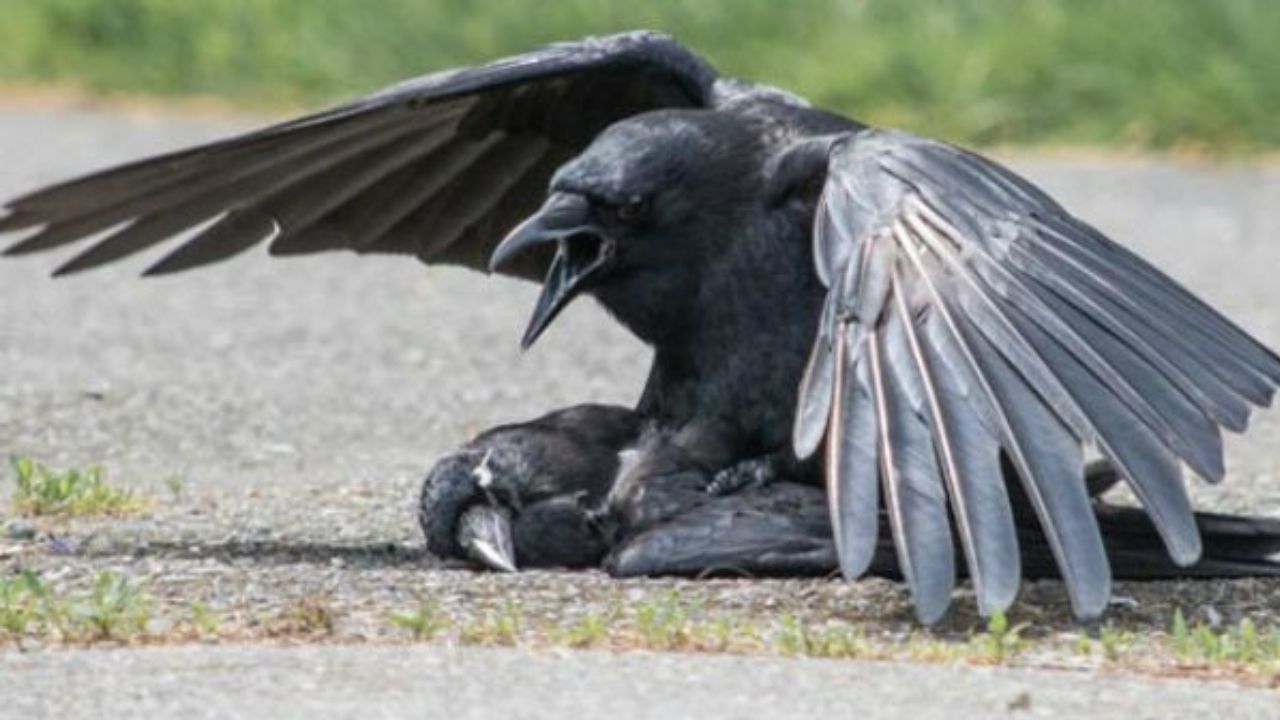
Representational Image
Chennai: Health authorities have confirmed an outbreak of the H5N1 avian influenza virus in Chennai after hundreds of crows were found dead in multiple locations across the city.
Laboratory analysis of the samples detected the presence of the highly pathogenic virus, prompting officials to issue a public advisory and intensify containment efforts.
According to officials, the sudden rise in crow deaths points to active transmission of avian influenza in the area. As a preventive step, the government has instructed that carcasses of dead birds, including poultry, must be disposed of only through incineration or deep burial, strictly following biosecurity guidelines.
Members of the public have been warned against touching or handling dead birds and have been asked to immediately report any such sightings to local authorities. Surveillance and rapid response teams have been deployed in affected zones to monitor the situation and prevent further spread.
After bird flu was confirmed in samples collected from Chennai’s Adyar region, the Union Ministry of Animal Husbandry and Dairying wrote to the Tamil Nadu Chief Secretary, calling for urgent and comprehensive field surveillance. The ministry emphasised the need for swift measures to reduce potential risks to both animals and humans.
In its letter, the ministry expressed concern over the rapid spread of Highly Pathogenic Avian Influenza (HPAI) and recommended the implementation of a “One Health” approach, involving coordinated action across human health, animal husbandry and wildlife departments.
What is H5N1?
H5N1 is a highly contagious strain of the influenza A virus that primarily affects birds, particularly poultry and wild species. Commonly known as bird flu, it spreads rapidly among bird populations and is often fatal.
Although human infections are rare, transmission can occur through close contact with infected birds or contaminated environments. Due to the potential severity of such cases, outbreaks are closely monitored by health authorities.
How serious is the risk?
H5N1 poses a significant threat to bird populations, especially poultry, where it can trigger large outbreaks and high mortality. For humans, the overall risk remains low but potentially serious, making early detection, surveillance and public cooperation crucial.

