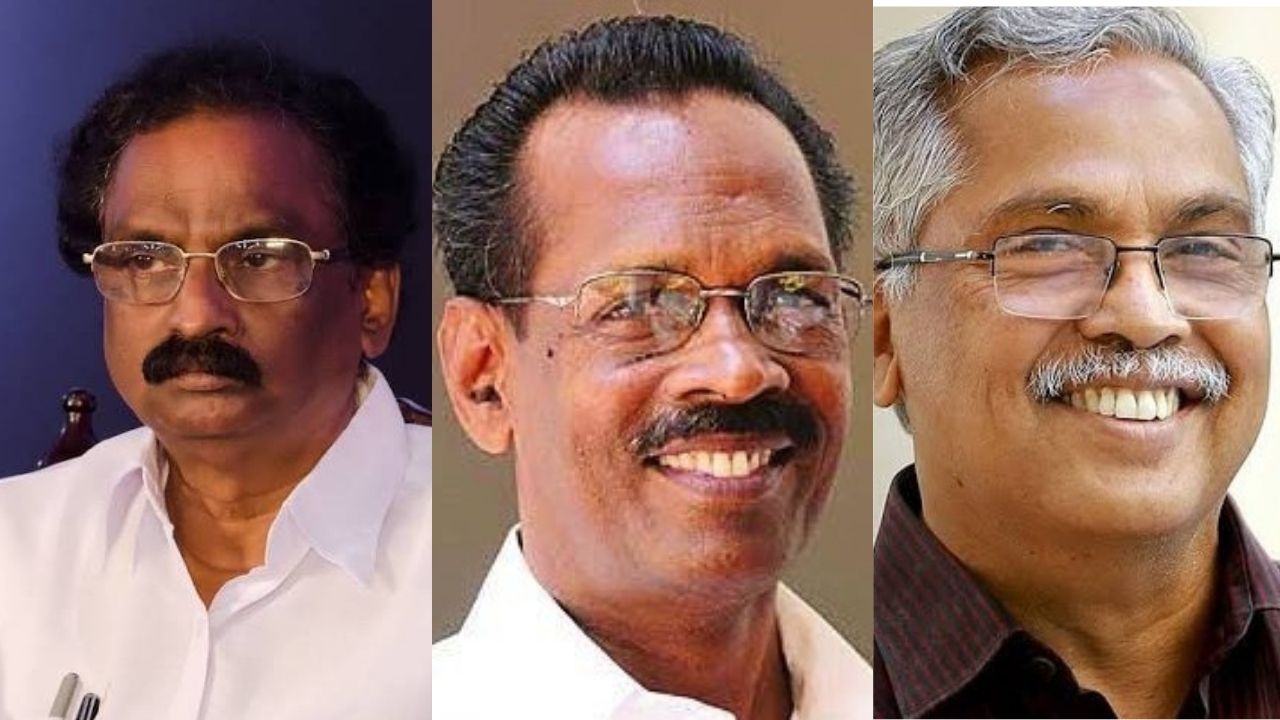
CPI and CPM leaders face a crucial test as Kerala Left unity comes under pressure
Thiruvananthgapuram: A political disagreement that shook Kerala’s Left alliance now appears to be heading towards a possible solution. The CPI and CPI(M), the two biggest pillars of the Left Democratic Front (LDF), have started efforts to settle their differences over the Deputy Leader of Opposition post in the Kerala Assembly.
For several days, the issue turned into an unusual public confrontation between the two long-time allies. Leaders from both sides expressed their views through public statements and party newspapers, creating speculation about growing differences within the Left front.
However, with senior leaders stepping in and pushing for dialogue, signs of a political thaw have started emerging.
The development has attracted attention because CPI and CPI(M) have shared a decades-old political partnership in Kerala. A prolonged dispute between the two parties could have affected the unity, organisation and future electoral strategy of the LDF.
The controversy began after the CPI demanded the post of Deputy Leader of Opposition following the LDF’s defeat in the Assembly election.
CPI leaders argued that the position would strengthen the party’s role within the alliance and ensure better representation for smaller partners. They believe the demand reflects the need for collective leadership and a balanced approach inside the opposition bloc.
However, the CPI(M) has been reluctant to give up the position, pointing to political traditions and past practices in Kerala Assembly functioning.
The party has maintained that important posts should be decided considering factors such as legislative strength, political responsibility and established norms.
The disagreement soon became a larger debate over power-sharing and influence within Kerala’s Left alliance.
As tensions increased, senior CPI(M) leader A.K. Balan stepped in to ease the situation.
Balan highlighted the importance of the relationship between CPI and CPI(M), describing both parties as central pillars of the LDF.
He stressed that internal differences should not weaken the alliance or provide an opportunity for political opponents to target the Left front.
His intervention came at a time when the dispute had started creating concern among party workers and supporters who feared that the disagreement could damage Left unity.
## LDF Pushes Both Parties Towards Dialogue
LDF convener T.P. Ramakrishnan has also urged both parties to resolve the matter through discussions instead of public arguments.
He acknowledged that alliance partners have the right to raise demands and express their opinions, but said major decisions should be taken through consultation.
The LDF leadership has been trying to maintain balance between respecting CPI’s demand and protecting CPI(M)’s long-standing position.
The focus now is on finding a formula that allows both parties to move forward without creating further friction.
The disagreement became sharper when the debate shifted from political meetings to party publications.
The CPI’s newspaper Janayugam published articles questioning the CPI(M)’s approach, while the CPI(M)’s Deshabhimani responded by defending its position.
The exchange revealed deeper differences between the two parties over leadership roles, political space and the balance of power within the LDF.
CPI(M) leaders questioned whether the CPI’s demand was aimed at strengthening alliance coordination or increasing its political bargaining power.
The public exchange between the two parties was unusual because CPI and CPI(M) have historically maintained coordination despite ideological and organisational differences.
The dispute also drew reactions from the Indian Union Muslim League (IUML).
IUML leader K.P.A. Majeed criticised what he described as CPI(M)’s dominance within the LDF and highlighted the CPI’s separate political identity in Kerala.
His remarks sparked speculation about whether opposition parties were attempting to create space for the CPI outside the Left alliance.
However, IUML state general secretary P.M.A. Salam clarified that the comments were not an invitation for the CPI to join the United Democratic Front (UDF).
He said the remarks were focused on highlighting the internal situation of the LDF rather than suggesting any alliance change.
The disagreement has brought back questions about power-sharing and leadership balance within Kerala’s Left alliance.
The LDF has traditionally depended on close coordination between CPI and CPI(M), with both parties playing key roles in shaping the alliance’s political direction.
Although differences between alliance partners are common, a prolonged public dispute could create challenges for the front’s organisational strength.
Political observers believe both parties understand the importance of maintaining unity, especially with future political battles ahead. The current controversy is being viewed as a test of the LDF’s ability to manage internal differences while remaining a united political force.
The final decision on the Assembly post will determine whether the CPI-CPI(M) dispute ends as a temporary disagreement or develops into a larger challenge for Kerala’s Left politics.

