English
 English

Supreme Court clears appointment of 5 retired judges
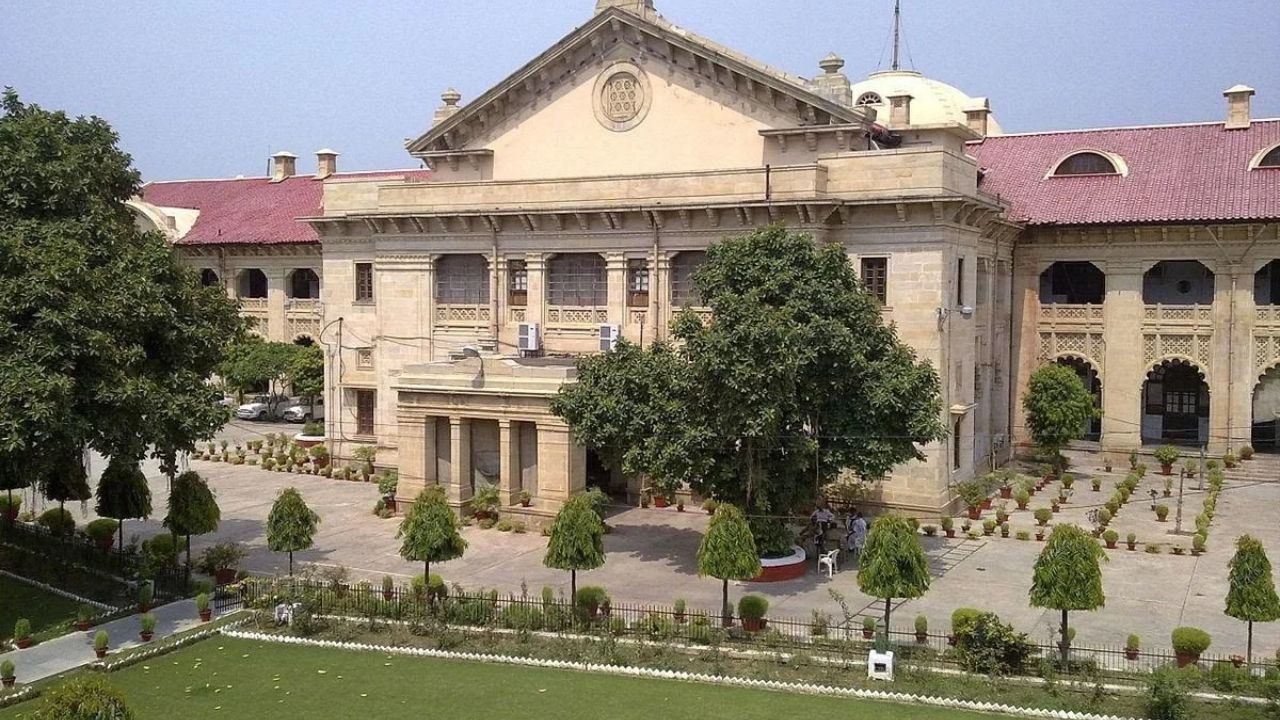
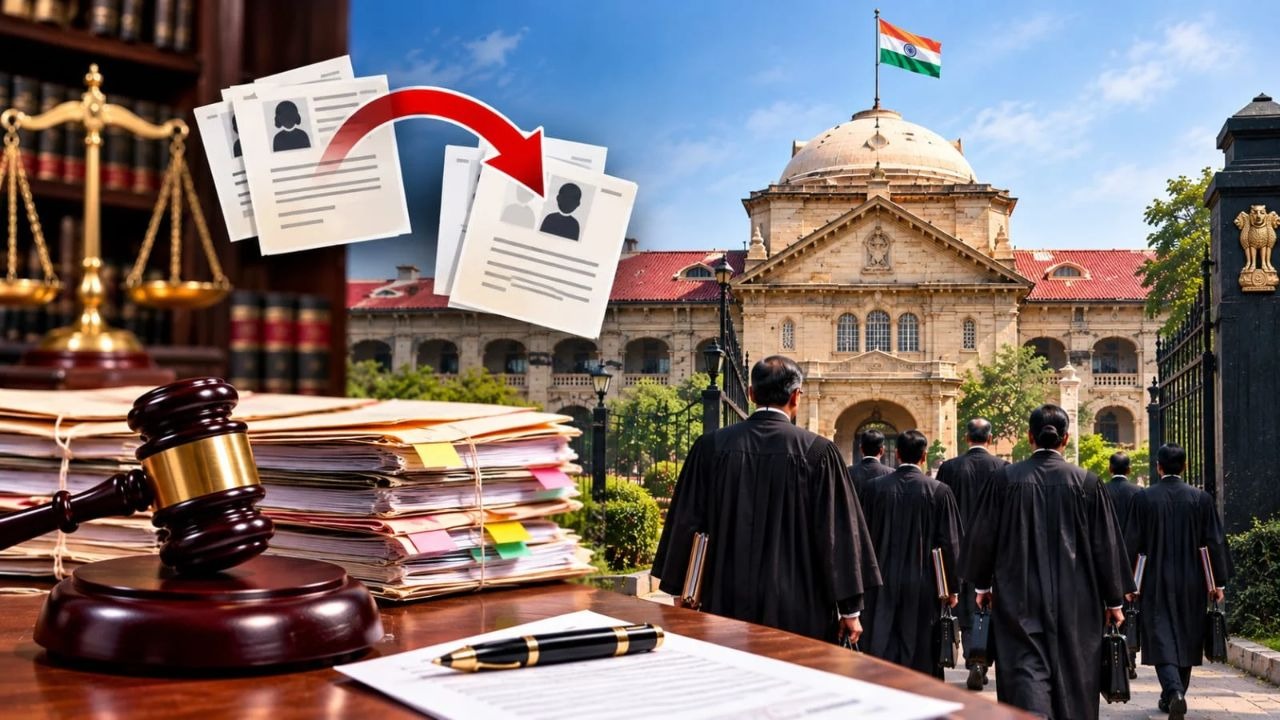
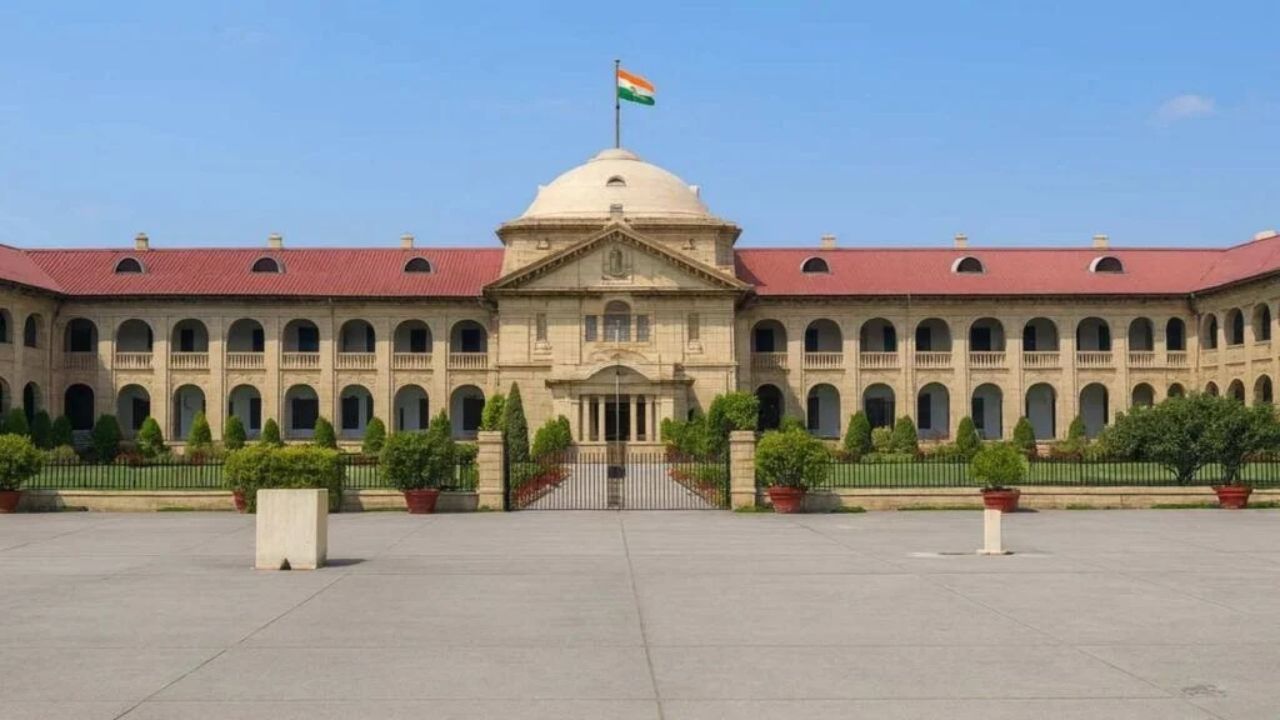
New Delhi: In a significant step to address the mounting backlog of cases, the Supreme Court Collegium has recommended the appointment of five retired judges as ad-hoc judges in the Allahabad High Court for a tenure of two years.
The appointments will be made under Article 224-A of the Constitution, which permits the temporary appointment of retired judges to High Courts to facilitate the speedy disposal of pending cases.
Collegium’s Decision
The recommendation was made by the Supreme Court Collegium headed by Chief Justice of India Justice Surya Kant, along with Justice Vikram Nath and Justice J Maheshwari.
The decision followed a review of the acute pendency situation in the Allahabad High Court, which continues to be among the most burdened courts in the country.
List of Judges Recommended
The Collegium has approved the following retired judges for appointment as ad-hoc judges:
During their tenure, these judges will exercise full judicial powers equivalent to those of sitting High Court judges.
Need for Ad-Hoc Judges
The Allahabad High Court is currently grappling with lakhs of pending cases, many of which have remained unresolved for several years. The Collegium observed that existing judges are under immense pressure due to the heavy workload, making the appointment of ad-hoc judges necessary to accelerate hearings, particularly in older matters.
Constitutional Provision Explained
Under Article 224-A, the Chief Justice of a High Court, with the prior consent of the President of India, may request a retired High Court judge to serve temporarily. Such judges enjoy the same authority, jurisdiction, and privileges as regular judges.
Cap on Ad-Hoc Appointments
The Supreme Court has earlier clarified that the number of ad-hoc judges in any High Court must not exceed 10 percent of its sanctioned strength, ensuring that these appointments remain supplementary and do not substitute regular judicial appointments.