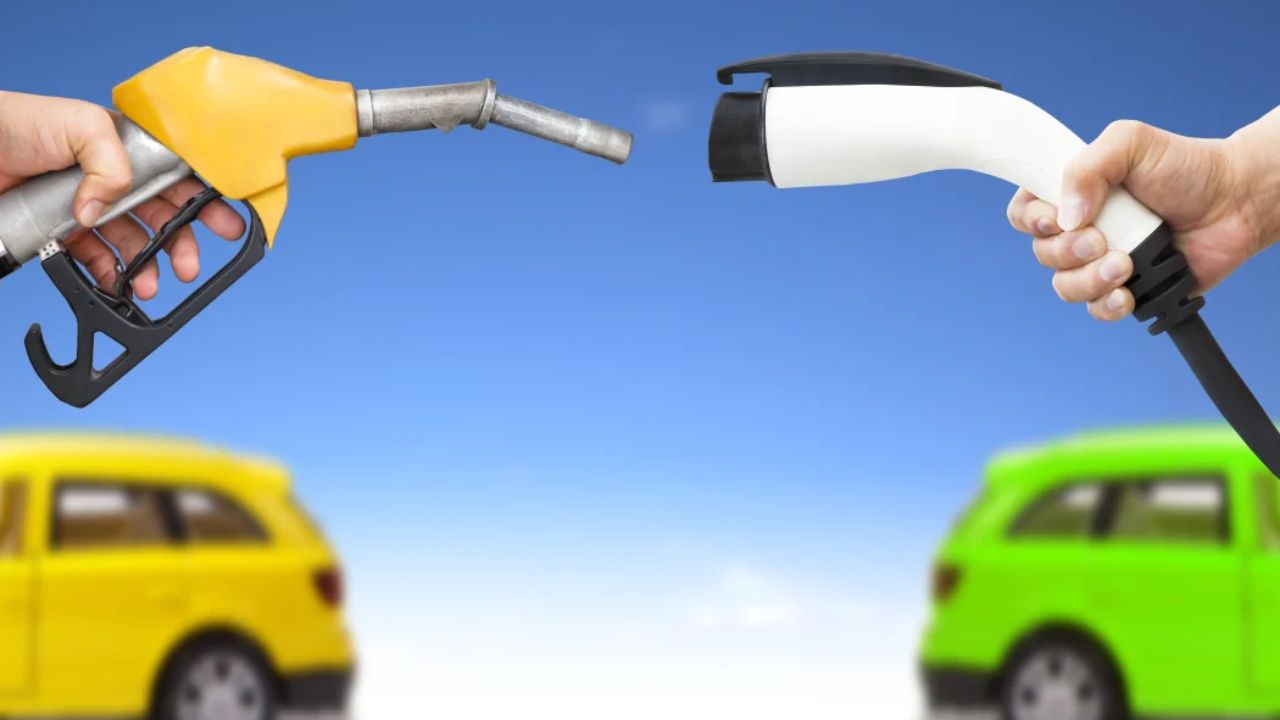
India’s Ethanol Plan Raises Big Questions. (Img Internet)
New Delhi: India’s ethanol-blending programme appears to be entering a new phase, with recent government measures indicating that E20 petrol may not be the final destination. As policymakers prepare the groundwork for higher ethanol blends, uncertainty over future fuel compatibility is influencing consumer decisions and increasing interest in electric vehicles (EVs).
In a significant development, the government recently notified fuel standards for ethanol-petrol blends such as E22, E25, E27 and E30. While these fuels are not yet available at retail outlets, the move is widely seen as a step toward their future rollout.
The Centre has also exempted petrol blended with 22 to 30 percent ethanol from excise duty, encouraging wider adoption of higher ethanol blends. Adding to the momentum, Union Petroleum Minister Hardeep Singh Puri recently inaugurated Delhi’s first E85 fuel station at an Indian Oil outlet, highlighting the government's long-term commitment to ethanol-based fuels.
Despite these developments, there is still no official roadmap explaining whether India will eventually adopt E25, E27 or E30 as mainstream fuels.
This uncertainty is affecting consumer confidence. A recent LocalCircles survey involving over 28,000 prospective vehicle buyers across 311 districts found that 43 percent may delay or reconsider a vehicle purchase due to concerns about future ethanol-blending policies and fuel compatibility.
Most petrol vehicles currently sold in India are certified for E20 fuel. Experts note that compatibility with E20 does not automatically mean these vehicles can safely operate on higher ethanol blends.
Higher ethanol concentrations may reduce fuel efficiency because ethanol contains less energy than petrol. They can also increase stress on fuel system components, including rubber and plastic parts, due to ethanol’s corrosive properties.
In addition, engines are calibrated for specific fuel compositions. Significant changes in ethanol content may affect performance, emissions and long-term durability unless manufacturers redesign or recalibrate vehicles accordingly.
As questions remain unanswered, electric vehicles are gaining attention among buyers seeking long-term certainty. Unlike petrol-powered vehicles, EVs are unaffected by fuel-blending policies and offer predictable operating costs.
Industry observers say that until the government provides clear guidance on future ethanol targets and vehicle compatibility, electric vehicles may continue to attract consumers looking for a future-ready mobility solution.

