MCX Bullion Jumps Sharply Amid US–Israel and Iran Conflict
New Delhi: Rising geopolitical tensions in the Middle East have increased uncertainty in global markets, directly impacting precious metals. Investors are turning to safe-haven investments, leading to a sharp rise in gold and silver prices. Following the US-Israeli attacks on Iran, risk premiums have increased, leading to a bullish sentiment in the market, along with oil prices, in the bullion market.
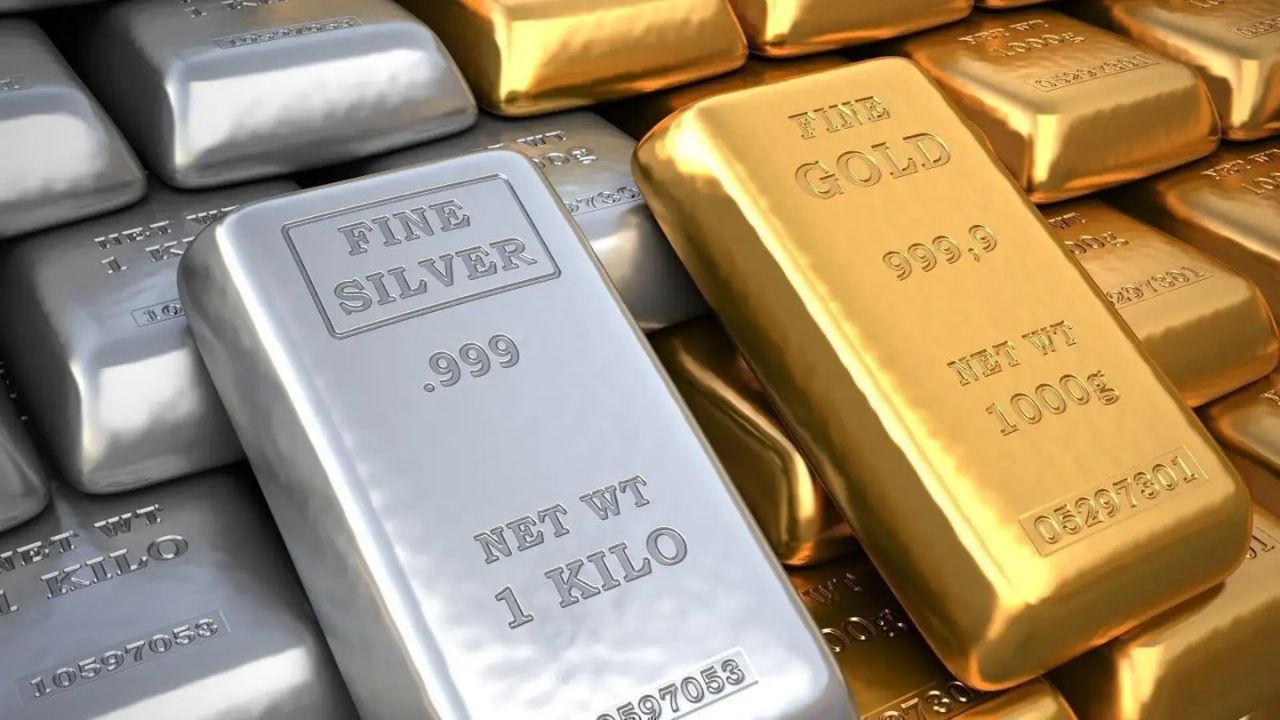
Gold prices on COMEX reached $5,400 per ounce, representing an intraday gain of over 2.50%. Silver prices also made a strong start, reaching a high of $96.930 per ounce, registering a gain of nearly 2% in early trading. This rise suggests that global investors are cautious about the current situation and are increasing their investments in safe-haven assets.
Gold and silver also made a strong start in the Indian futures market, following international cues. Gold opened at ₹1,65,501 per 10 grams on the MCX exchange and rose to an intraday high of ₹1,67,915 within minutes. This means a gain of over ₹5,500 shortly after the opening bell.
Silver was not far behind. Silver opened at ₹2,78,644 per kilogram on the MCX exchange and reached a high of ₹2,84,490, marking an intraday gain of nearly 3%.
According to reports, talks between Washington and Tehran will continue next week. Mediator Oman has reported "significant progress" in the talks, although US officials are reportedly dissatisfied with the pace of progress. For now, the market's direction will largely depend on these diplomatic efforts.
According to experts, gold and silver will continue to receive support as long as tensions persist in the region. Only if there is clarity about the Iranian leadership, concrete signs of de-escalation, and a guarantee that vital oil routes like the Strait of Hormuz remain open, could the risk premium decline.
Investors are advised to adopt a strategy of partial profit booking at higher levels and phased buying on dips.

