 English
 English

India’s Gold Demand Shifts to Investment as Jewellery Sales Decline
New Delhi: The gold market in India is rapidly changing. While rising prices have led to a decline in demand for jewelry, the demand for gold as an investment is rapidly increasing. A recent joint report by ICRA and ASSOCHAM revealed this significant development.
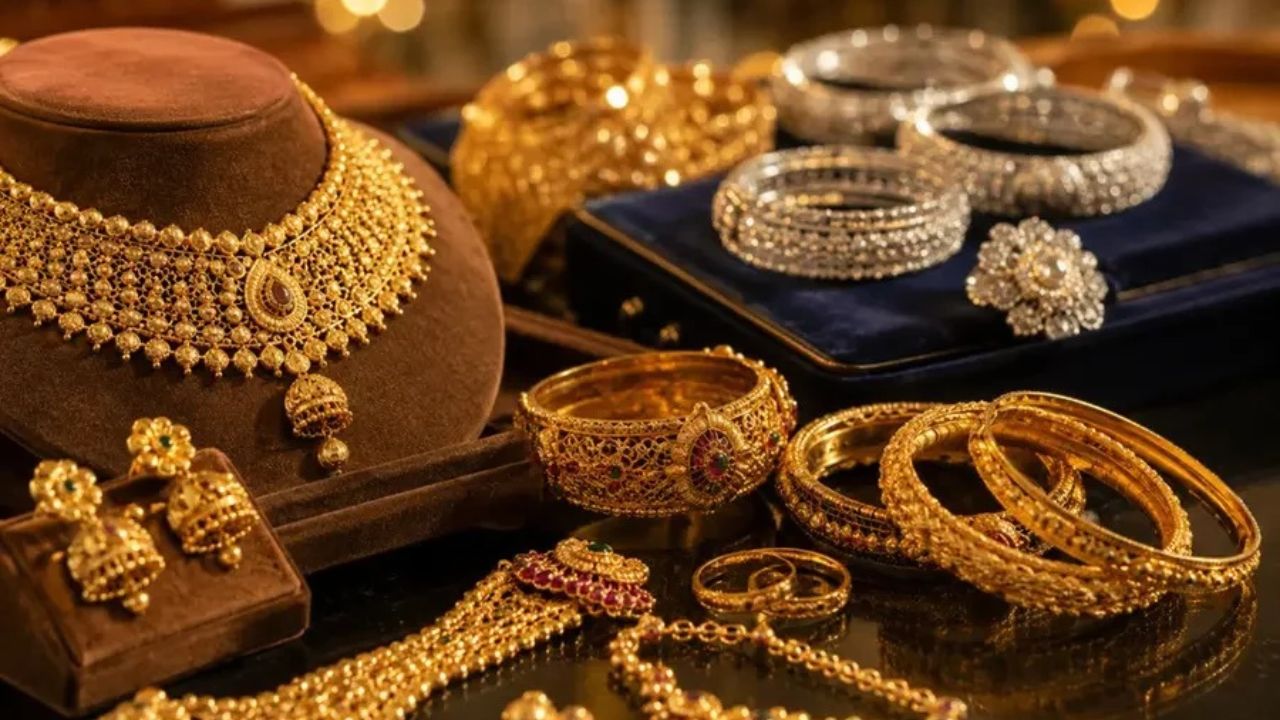
According to the report, demand for gold jewelry in India declined by approximately 26% in the first half of FY2026. Consumers are refraining from purchasing jewelry due to high prices. A similar trend has been observed globally, where gold jewelry consumption has steadily declined.
Gold prices rise on MCX as weak Dollar triggers value buying; Check latest rates here
Conversely, investment demand for gold has increased rapidly. Investments in bars, coins, and exchange-traded funds (ETFs) have increased by 74% and 60%, respectively. Investors are now viewing gold as a safe haven, especially amid economic uncertainty and global tensions.
Experts believe that the continued rise in gold prices is the main reason for this change. Gold prices rose by approximately 33% in FY2025, while they have already risen by more than 50% so far in the current financial year. Heavy purchases by central banks, a falling rupee, and global tensions have kept prices elevated.
Despite all this, India has surpassed China to become the world's largest gold consumer. India's share of global demand has reached approximately 30%, primarily driven by cultural demand related to weddings and festivals.
Gold, Silver prices surge on Ram Navami amid global uncertainty; Check latest rates here
Due to limited gold production in India, the country has to rely on imports for an estimated 85-88% of its gold. However, recent years have seen an increase in gold recycling, which has provided some support to the supply.
The report also states that organized companies now hold approximately 40% of the gold jewelry market. These companies are rapidly expanding in Tier-2 and Tier-3 cities, giving the market a new direction.
Experts believe that high prices will continue to pressure jewelry demand in the future, but increasing investment trends and market organization could strengthen the gold sector in the medium term.