English
 English

New Delhi: India has effectively eliminated its power deficit, with electricity supply now closely matching demand across the country, the government informed Parliament on Wednesday. The nation’s installed power generation capacity has risen to 513.73 GW, underlining a major shift in India’s energy landscape.
The Centre said it has added 289.6 GW of new generation capacity since April 2014, transforming India from a power-deficit country into a power-sufficient one. The strengthened infrastructure enabled the country to successfully meet an all-time peak power demand of 250 GW last year.
Government data shows that the gap between energy requirement and energy supplied has narrowed sharply from 0.5% in FY 2022-23 to almost zero in the current financial year (2025-26, up to December 2025). Unmet peak demand has also fallen significantly—from 4% in 2022-23 to near zero during the ongoing fiscal.
State-wise figures indicate that electricity supply has remained broadly aligned with demand across regions, with only marginal shortfalls caused mainly by local transmission and distribution constraints. The government said these gaps have not affected economic activity or industrial growth.
While electricity is a concurrent subject and the responsibility of state governments and distribution utilities, the Centre continues to support states through central public sector power plants, grid strengthening, and policy reforms to ensure round-the-clock, reliable power supply.
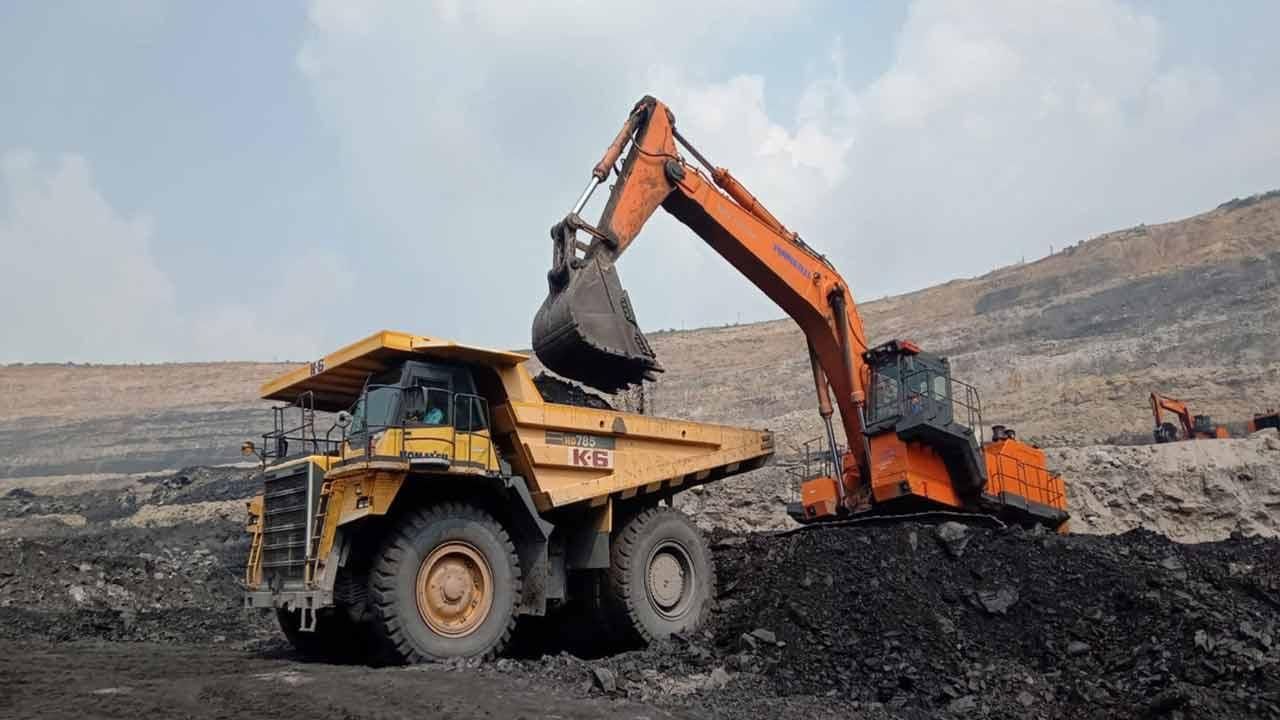
To handle periods of high demand, the government has implemented several measures, including optimal use of hydropower during peak hours, minimising planned outages of generating units, ensuring adequate coal supply, deploying gas-based plants, and enhancing inter-regional power transfer through a robust national grid.
Looking ahead, the National Electricity Plan (NEP) projects India’s installed power capacity to rise to 874 GW by 2031–32. States have prepared Resource Adequacy Plans to ensure generation and procurement remain ahead of projected demand.
Capacity addition programmes are underway across thermal, hydro, nuclear, renewable energy, and energy storage, including pumped storage and battery energy storage systems. Alongside, the government has introduced power market reforms, renewable energy incentives, grid stability mechanisms, and large-scale transmission expansion to support future growth.
Power sector reforms under schemes such as DDUGJY, SAUBHAGYA, and the Revamped Distribution Sector Scheme (RDSS) have also strengthened last-mile connectivity and efficiency. As a result, national AT&C losses have declined from 21.9% in FY21 to 15.04% in FY25, reflecting improved performance of power distribution companies.
The information was shared by Minister of State for Power Shripad Naik in a written reply to the Lok Sabha.