 English
 English

RBI Gives Green Signal to SMBC
New Delhi: The Reserve Bank of India (RBI) has given ‘in-principle’ approval to Sumitomo Mitsui Banking Corporation (SMBC) of Japan to set up a Wholly Owned Subsidiary (WOS) in India. This approval has been granted under the RBI Guidelines 2025 for foreign banks operating in the country.
An ‘in-principle’ approval means that the RBI has agreed to the proposal in principle, but the bank must still meet certain conditions before it can fully start operations in the new structure.
RBI Fines this Mega Bank ₹61.95 Lakh for Regulatory Violations; Click to Find Out More
A Wholly Owned Subsidiary means that the foreign bank will operate in India as a separate Indian company, fully owned by its parent bank abroad. This allows the bank to function more independently under Indian laws and regulations, while still being owned by the foreign entity.
At present, SMBC operates in India through four branch offices located in New Delhi, Mumbai, Chennai, and Bengaluru. These branches currently provide banking services under the branch model, where operations are directly controlled by the parent bank in Japan.
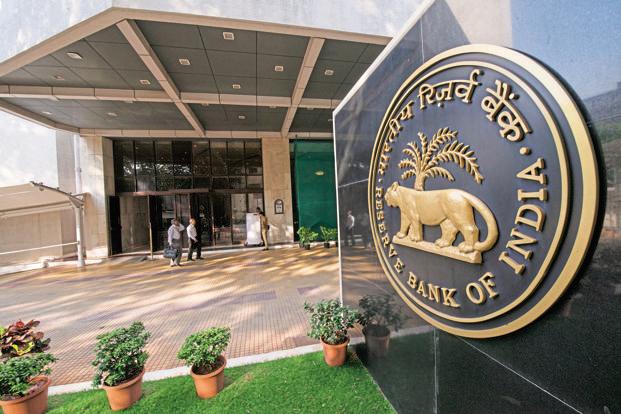
The RBI has approved SMBC’s plan to convert its existing Indian branches into a Wholly Owned Subsidiary. This means the bank will continue its operations in India but under a new legal structure, offering greater operational flexibility and long-term commitment to the Indian banking sector.
After receiving the in-principle approval, SMBC must now fulfil all the conditions set by the RBI. Once the RBI is satisfied that these requirements have been met, it will grant a banking licence under Section 22(1) of the Banking Regulation Act, 1949. Only after this final approval can SMBC officially begin banking operations in India as a Wholly Owned Subsidiary.
Why RBI can’t simply print more money to fix economic problems? Explained
This move reflects India’s growing importance in global banking and strengthens financial ties between India and Japan. It also highlights RBI’s efforts to encourage foreign banks to adopt a more stable and locally regulated presence in India.