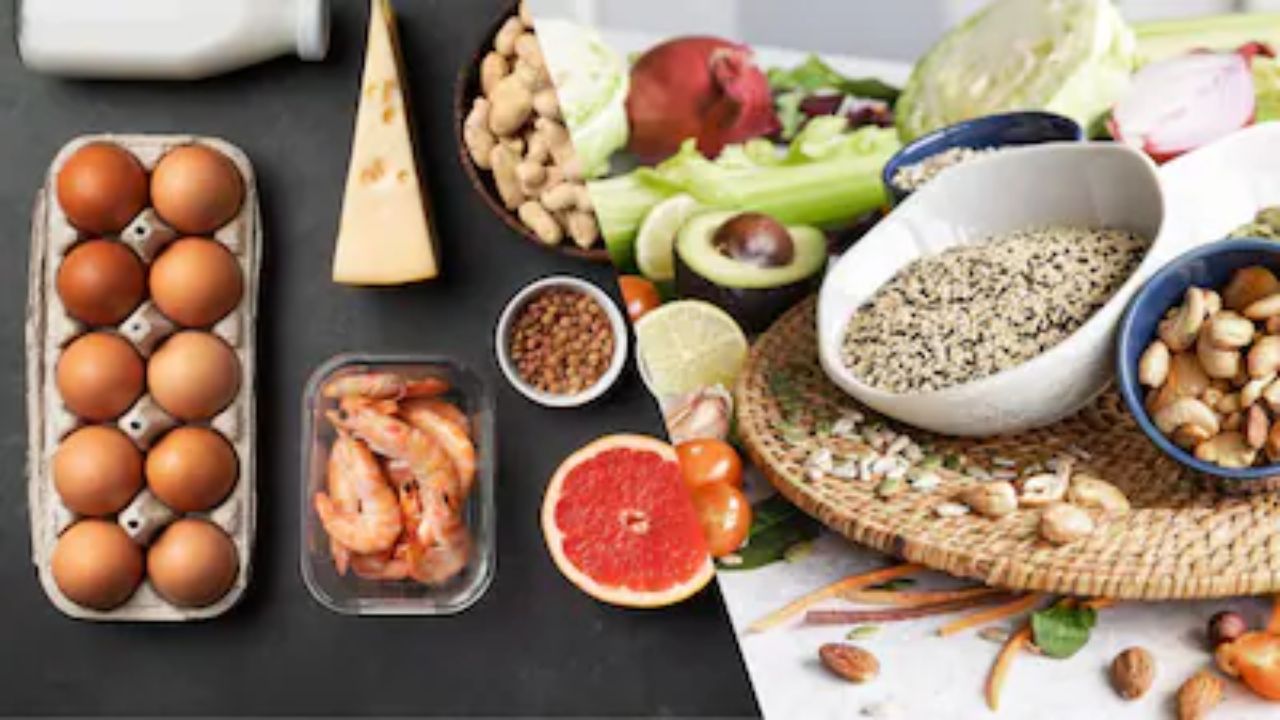
Representational Image (Internet)
New Delhi: Heart disease continues to be one of the leading causes of death worldwide, and India carries a significant share of this burden. While many factors contribute to heart health, diet remains one of the most powerful and controllable influences. Among dietary choices, the source of protein-animal or plant-plays a crucial role.
Why Protein Source Matters More Than Quantity
Getting enough protein is important, but the type of protein you consume matters just as much.
Recent research suggests that diets richer in plant-based protein may better support long-term heart health. This is largely because plant foods provide not just protein, but also fibre, antioxidants, and essential nutrients that work together to protect cardiovascular function.
India’s Growing Heart Health Challenge
India is facing a rising number of heart-related illnesses. With changing lifestyles and increasing consumption of processed and meat-heavy diets, the risk continues to grow.
At the same time, traditional Indian diets-rich in lentils, legumes, and grains-already offer a strong foundation for healthier protein choices. The challenge lies in maintaining this balance amid modern eating habits.
Animal Protein: Benefits and Limitations
Animal-based protein sources like meat, eggs, and dairy are considered “complete proteins” because they contain all essential amino acids.
Where it helps:
Supports muscle growth and repair
Beneficial for physically active individuals
Nutrient-dense in moderate amounts
Health Check-Ups Decoded: How often you actually need them? Know here
Where it can harm:
Often high in saturated fats and cholesterol
Excess intake may increase heart disease risk
Can strain long-term cardiovascular health if overconsumed
The key is moderation-not elimination.
Plant Protein: A Heart-Friendly Alternative
Plant-based proteins offer a different set of advantages that make them especially beneficial for heart health.
Why it works well:
Naturally low in unhealthy fats
Rich in fibre, which helps reduce cholesterol
Packed with antioxidants that protect blood vessels
One limitation:
Most plant proteins are not “complete” on their own. However, combining foods like grains and legumes easily solves this problem.
Building a Balanced Indian Plate
The good news is that traditional Indian meals already promote balanced protein intake.
Skipping meals to lose weight? Here’s why it backfires and harms your health
Smart combinations include:
Dal with rice
Rajma with roti or rice
Idli with sambar
Khichdi with vegetables
These pairings naturally create a complete amino acid profile while supporting heart health.
Simple Ways to Improve Your Protein Choices
Small dietary changes can make a big difference over time:
Replace frequent red meat with lentils, beans, or soy
Add nuts and seeds as healthy snacks
Include paneer or tofu for variety
Keep animal protein portions moderate rather than dominant
The Bottom Line
Plant protein generally offers greater benefits for heart health, especially when consumed regularly as part of a balanced diet. However, the goal isn’t to completely eliminate animal protein-it’s to avoid overdependence on it.
A thoughtful mix of both, with a stronger emphasis on plant-based sources, is the most practical and heart-friendly approach.

