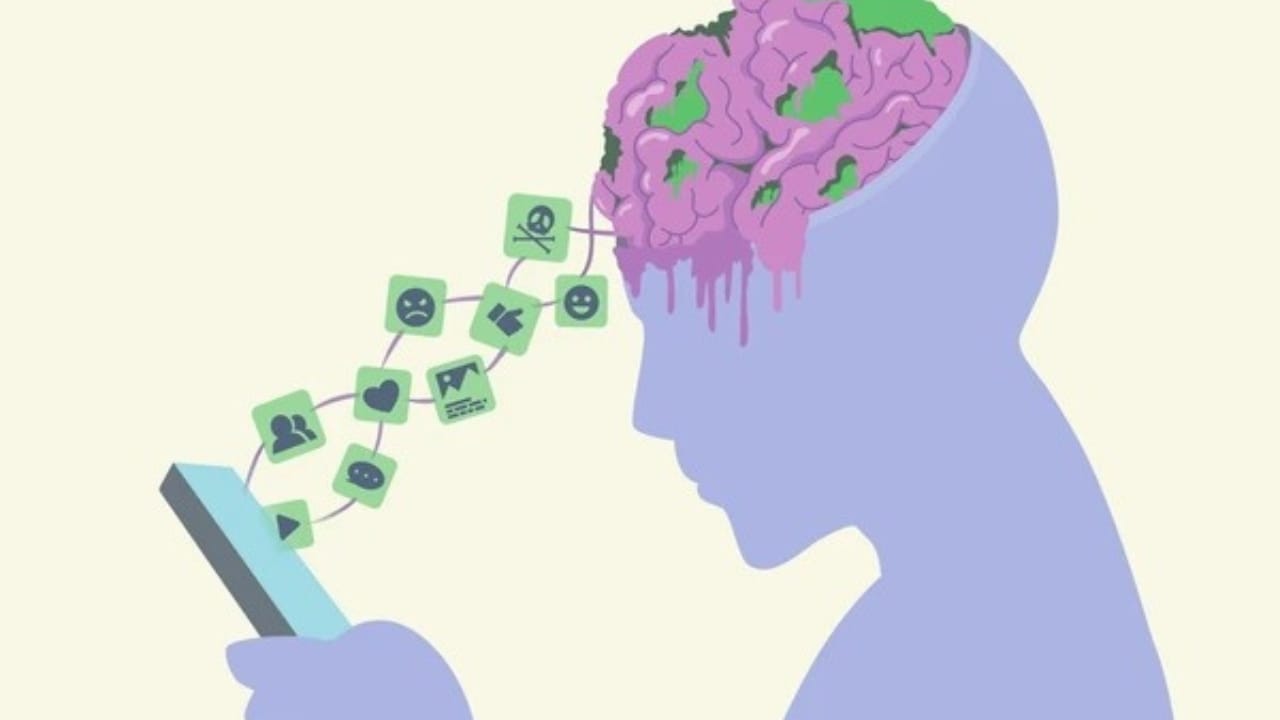
Brainrot can negatively affect your brain by leading to memory problems
New Delhi: Brainrot is an internet slang term that became widely popular online and was chosen as Oxford’s Word of the Year in 2024. It is used to describe spending a lot of time-consuming online content that is simple, repetitive or not mentally challenging. In most cases, it refers to endlessly scrolling through short videos, memes and fast-moving social media posts without really thinking about it or taking breaks. Although it is not a medical condition, the term reflects growing concerns about how digital habits may be affecting attention and mental well-being.
Experts and researchers have raised concerns about how heavy use of social media, gaming and short-form content can shape our behavior over time. Some studies suggest that constant exposure to fast entertainment can lead to habits like doomscrolling and social media overuse. These patterns may affect how people focus, process information and manage emotions. While the term “brainrot” is informal, it highlights a real modern issue: many people feel stuck in a loop of endless scrolling.
One of the main reasons behind this behavior is the need for quick entertainment and instant satisfaction. Social media apps are designed to keep users engaged by showing short, interesting content one after another. This can trigger a reward response in the brain, making people want to keep scrolling. Over time, some people may start relying on their devices for comfort, distraction or boredom relief, which can make the habit harder to break.
Why Self-Awareness Matters: The Secret to Unlocking Your True Potential
Spending too much time passively consuming online content may lead to several negative effects, including:
. Feeling mentally drained or overwhelmed
. Trouble focusing or paying attention
. Memory issues or forgetfulness
. Reduced motivation or decision-making ability
. Feeling emotionally numb or detached
. Increased stress, anxiety or low mood
. Social withdrawal in some cases
While everyone is different, these effects are more likely when screen use becomes excessive and unbalanced.
Experts suggest that building healthier digital habits can help improve focus and mental well-being. Set limits on screen time and Try setting daily time limits for social media or using built-in app trackers. Keeping the certain spaces like bedrooms devices free can also help. Turning off notifications may reduce the urge to check your phone constantly. Take regular breaks from technology, Even short breaks from screens can help reset your attention. This could mean avoiding social media for a few hours a day or taking a full digital detox for a weekend. The goal is to give your mind space to rest and reset.
Free time can be used for activities that are more engaging and rewarding, such as:
. Exercise or walking
. Learning a new skill or hobby
. Reading or creative writing
. Playing strategy games like chess or puzzles
. Trying something new like drawing or learning a language
These activities help improve focus and give the brain healthier stimulation.
Brainrot may be a casual internet term, but it reflects a very real concern about how much time people spend on low-effort digital content. While the online media is a big part of modern life, experts say balance is key. Small changes like limiting screen time and staying mentally active can help people build a healthier relationship with technology.
Want better health? 10 easy lifestyle changes that actually work

