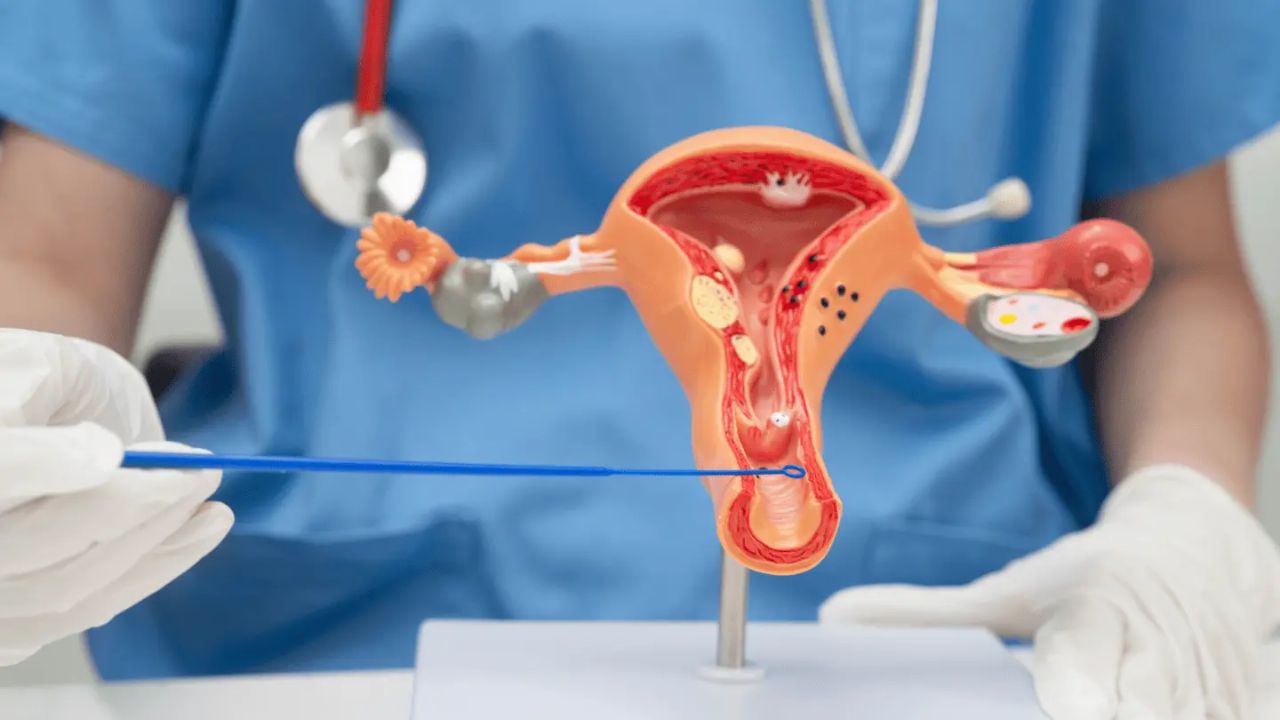
Five-Minute Pap Test Emerges as Key Shield Against Rising Cervical Cancer Cases
New Delhi: Cervical cancer is rapidly becoming a cause of concern among women in India and is now the second most common cancer. Experts say that early detection is the best way to prevent this disease. Fortunately, cervical cancer is one of the few cancers for which effective, affordable, and reliable screening tests are available, which can detect the risk at an early stage.
About 70 to 80 percent of cases are caused by high-risk HPV (human papillomavirus) infection. This infection can persist in the body for many years without causing symptoms and can later develop into precancerous changes or cancer. Therefore, prevention and regular screening for HPV are considered extremely important. A Pap smear, or Pap test, can detect early abnormal changes by examining cervical cells under a microscope, significantly increasing the likelihood of successful treatment.
The Pap test is performed in two main ways. The first is the traditional method, in which cells are collected from the cervix and placed on a slide. The second is liquid-based cytology, in which cells are collected using a special brush, preserved in a liquid medium, and sent to the lab. This modern technique is considered more accurate and allows for HPV DNA testing from the same sample.
Women often put off testing if they don't have symptoms, but the purpose of screening is to detect early changes. Generally, Pap smears are recommended starting at age 21 or after becoming sexually active. For those 21 to 30, Pap smears are recommended every three years, while for those 30 to 65, Pap smears are recommended every three years or HPV testing along with Pap smears every five years.
This test is simple and completed in a clinic within a few minutes. Tampons or menstrual cups should not be used on the day of testing, and it's best to avoid testing during your period. A "screen positive" result does not indicate cancer but rather indicates the need for further testing, while a "screen negative" result is normal.
Simply put, the Pap test is a safe and life-saving test. Regular screening can significantly reduce the risk of cervical cancer and assure women a long, healthy, and safe life. Awareness, timely testing, and appropriate medical advice are the keys to preventing this serious disease.

