English
 English

The invisible toll on your lungs when AQI soars
New Delhi: People living in Delhi and neighbouring areas during winter has felt it: the burning eyes, the heavy chest, and the unusual fatigue that sets in after just a short walk outdoors. When the Air Quality Index (AQI) crosses 400, it enters the “severe” range, meaning the air is hazardous even for healthy individuals.
While the symptoms feel external, the most dramatic changes are happening deep inside the lungs. Prolonged exposure to such pollution can trigger immediate discomfort as well as long-term health complications, particularly affecting the lungs, heart, and immune system.
When AQI crosses 400, the concentration of fine particulate matter, particularly PM2.5 and PM10, reaches extremely high levels. These microscopic particles, invisible to the naked eye, penetrate deep into the respiratory tract. PM2.5, with a diameter less than 2.5 micrometers, is especially dangerous because it can bypass the nose and throat, reaching the smallest airways and alveoli, the tiny sacs in the lungs where oxygen exchange occurs.
Winter Alert in Delhi: Cold wave and thickening smog expected; AQI remains ‘Very Poor’
This can cause inflammation, reduce lung function, and exacerbate existing respiratory conditions such as asthma and chronic obstructive pulmonary disease (COPD).
Once inhaled, these pollutants trigger a defensive response from the body. The lungs produce mucus to trap foreign particles, leading to coughing and congestion. The delicate lining of the bronchi and alveoli becomes irritated, often resulting in a burning sensation in the chest or throat.
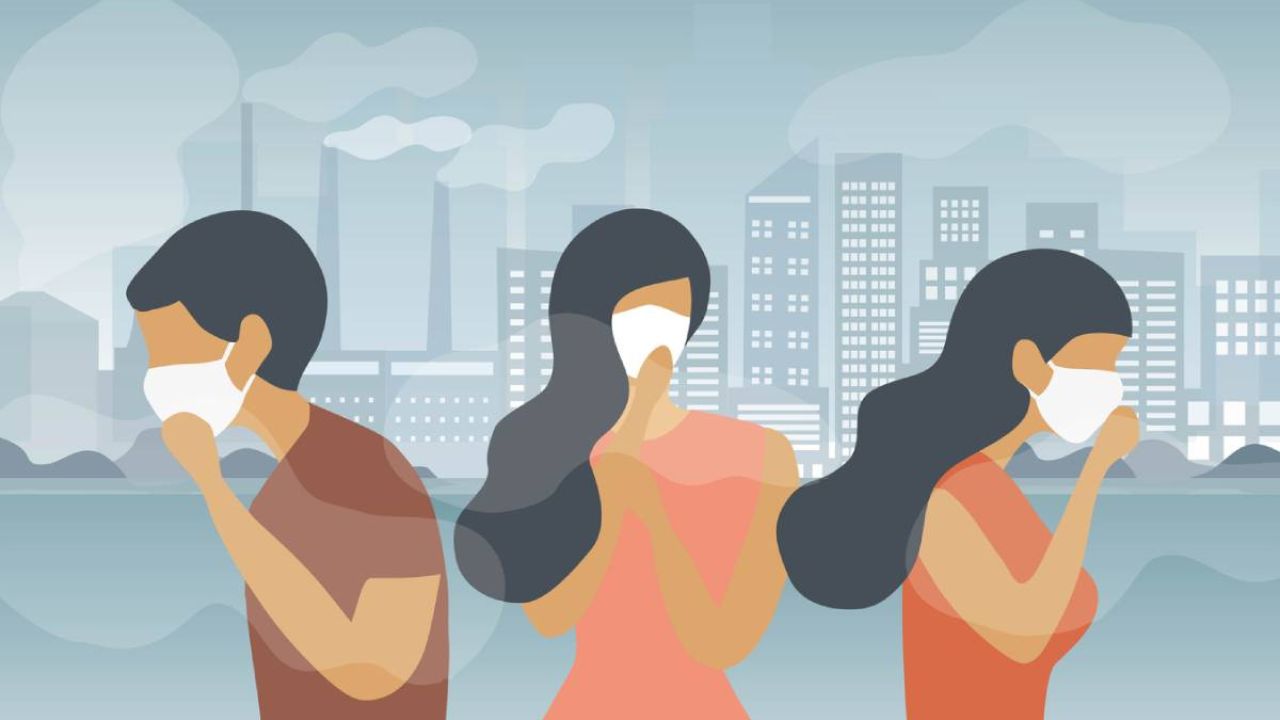
Even healthy adults may experience coughing, shortness of breath, and fatigue.
For people with pre-existing respiratory issues, this can escalate into severe breathing difficulties, wheezing, and chest tightness. Even healthy individuals may experience shortness of breath, fatigue, and headaches when exposed to such hazardous air.
Chronic exposure to AQI levels above 400 can have lasting effects. The repeated assault of fine particles induces persistent inflammation in the lungs, potentially leading to scarring or fibrosis. Over time, this reduces lung elasticity, making it harder to breathe and lowering overall lung capacity.
Studies suggest that long-term exposure to high levels of air pollution can increase the risk of developing lung cancer and may compromise the immune system, making the lungs more susceptible to infections like pneumonia and bronchitis.
While the lungs bear the immediate brunt of air pollution, the effects are not limited to respiratory health. Fine particulate matter can enter the bloodstream through the lungs, contributing to cardiovascular issues, including high blood pressure, heart attacks, and strokes. Children and the elderly are particularly vulnerable, as their immune systems are less capable of coping with prolonged exposure to toxic air.
Delhi air pollution sees mild relief as AQI drops below 300; NCR still struggles
Experts recommend staying indoors as much as possible, using high-efficiency air purifiers, and wearing N95 or equivalent masks when venturing outside. Maintaining lung health through hydration, breathing exercises, and avoiding additional pollutants like tobacco smoke can help mitigate damage. However, the ultimate solution lies in long-term policy measures and sustainable practices to reduce pollution at its source.
As Delhi grapples with worsening air quality, crossing the AQI 400 mark is not just a number- it is a stark warning about the invisible harm happening inside the lungs of every resident exposed to the hazardous air.