 English
 English

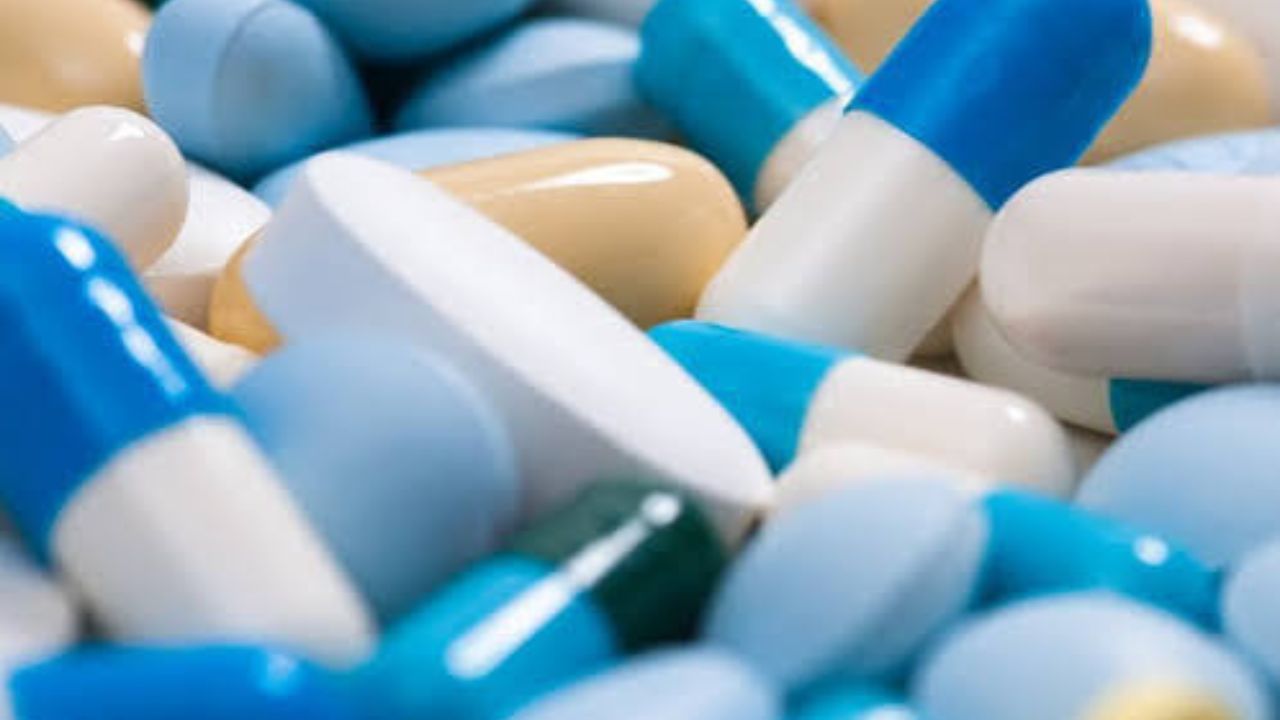
Global Drug Crisis Looming Due to US Decision (Image Source: Internet)
New Delhi: The United States is currently altering its approach to delivering medicines for diseases like HIV and malaria to low-income nations. Previously, this task was managed through a large-scale supply system; however, the government is now preparing to overhaul this entire framework.
This decision could potentially impact the supply of essential medicines in numerous countries.
Until now, this operation was conducted under the “Global Health Supply Chain Program,” which was administered by an organization named Chemonics.
Between 2016 and 2024, this program delivered:
These medicines included essential treatments for the prevention and management of HIV, AIDS, and malaria.
Upon assuming office, Donald Trump decided to scale back and restructure foreign aid initiatives. Major institutions like USAID were weakened. Direct bilateral agreements with recipient nations began to replace the use of contractors. Budgetary allocations were also reduced. The government asserts that the previous system was “expensive and inefficient.”
According to experts and informed sources, this rapid transition could lead to the following consequences:
It has also been warned that if these changes are implemented hastily, they could result in “disruptions to life-saving services.”
The United States now intends to work directly with the governments of recipient nations and will utilize private logistics firms for distribution.
Additionally, discussions are underway regarding a collaboration with the Global Fund to Fight AIDS, Tuberculosis, and Malaria to facilitate the supply of medicines. However, experts believe that this transition takes time. Delivering medicines to remote areas could take up to a year.
The greatest concern is that the existing system is being abruptly shut down. The new system is not yet fully prepared. In the interim, patients' lives could be put at risk.