 English
 English

New government figures spark questions on healthcare preparedness.
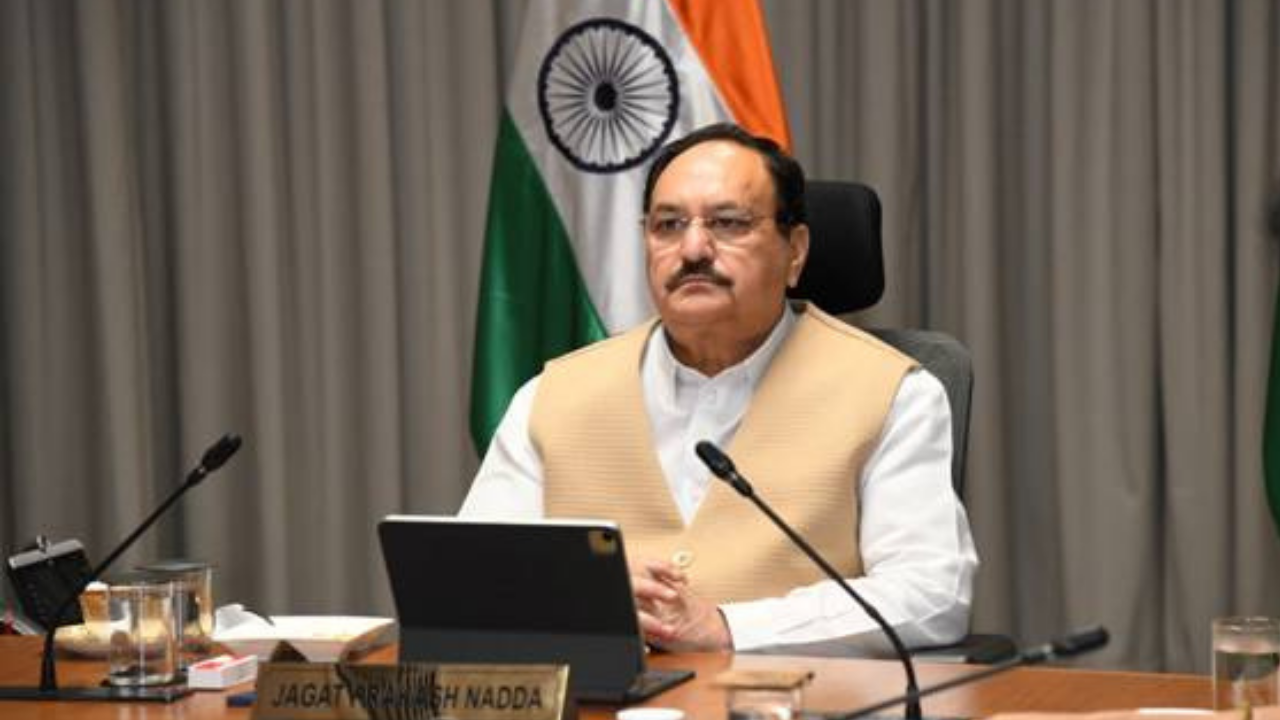
New Delhi: India is facing a significant healthcare workforce challenge with only one doctor available for every 811 citizens, Union Health Minister J P Nadda informed the Rajya Sabha on Tuesday. Responding to a question on the exact availability of allopathic doctors in the country, the minister presented the latest figures showing the scale of the shortfall and the steps being taken to address it.
According to the government, India currently has 13,88,185 registered allopathic doctors and 7,51,768 registered AYUSH practitioners. Assuming that about 80 percent of these professionals are actively available for service, the country records a doctor population ratio of 1:811. This figure highlights continued pressure on healthcare delivery, especially in regions battling limited medical access and growing patient loads.
The minister emphasised that the government has been working to expand the availability of trained doctors and specialists by drastically increasing medical education capacity across the country.
J P Nadda noted an unprecedented rise in medical institutions since 2014. The number of medical colleges has more than doubled from 387 to 818. Undergraduate medical seats increased from 51,348 to 1,28,875, while postgraduate seats have risen from 31,185 to 82,059.
This expansion is part of an effort to strengthen the medical education ecosystem and prepare a larger pool of qualified doctors for the future.
Kidney Health Warning: 3 hidden habits that can lead to kidney failure
Under the centrally sponsored scheme for setting up new medical colleges attached to existing district or referral hospitals, 137 out of 157 approved institutions are now functional. The minister said these new colleges are expected to improve the distribution of medical professionals and enhance access to care in underserved districts.
To ensure that more doctors serve in rural and tribal regions, the government has introduced several targeted programmes. The Family Adoption Programme has been integrated into the MBBS curriculum under which medical colleges adopt villages and students adopt specific families. This enables them to monitor vaccination, nutrition, menstrual hygiene, iron folic acid intake, lifestyle habits and medication adherence.
The initiative is designed to familiarise young medical students with grassroots public health challenges while improving community awareness about national health schemes.
Under the National Medical Commission’s District Residency Programme, second and third year postgraduate students are posted in district hospitals. This aims to enhance specialist availability in areas that typically lack advanced care.
NIA Probe: Dr Shaheen trained to brainwash UP doctors for terror mission
Hard area allowances are also offered to specialist doctors working in remote regions, along with incentives such as residential quarters.
To attract specialists, states have been allowed to offer negotiable salaries under the National Health Mission. Flexible hiring strategies such as the You Quote We Pay model are being used to fill crucial vacancies.
The minister added that temporary registration rules formulated by the NMC permit foreign registered doctors to practice in India for specialised purposes including training, fellowships, observerships, short term service and research. This provision is meant to supplement the workforce during high need scenarios.