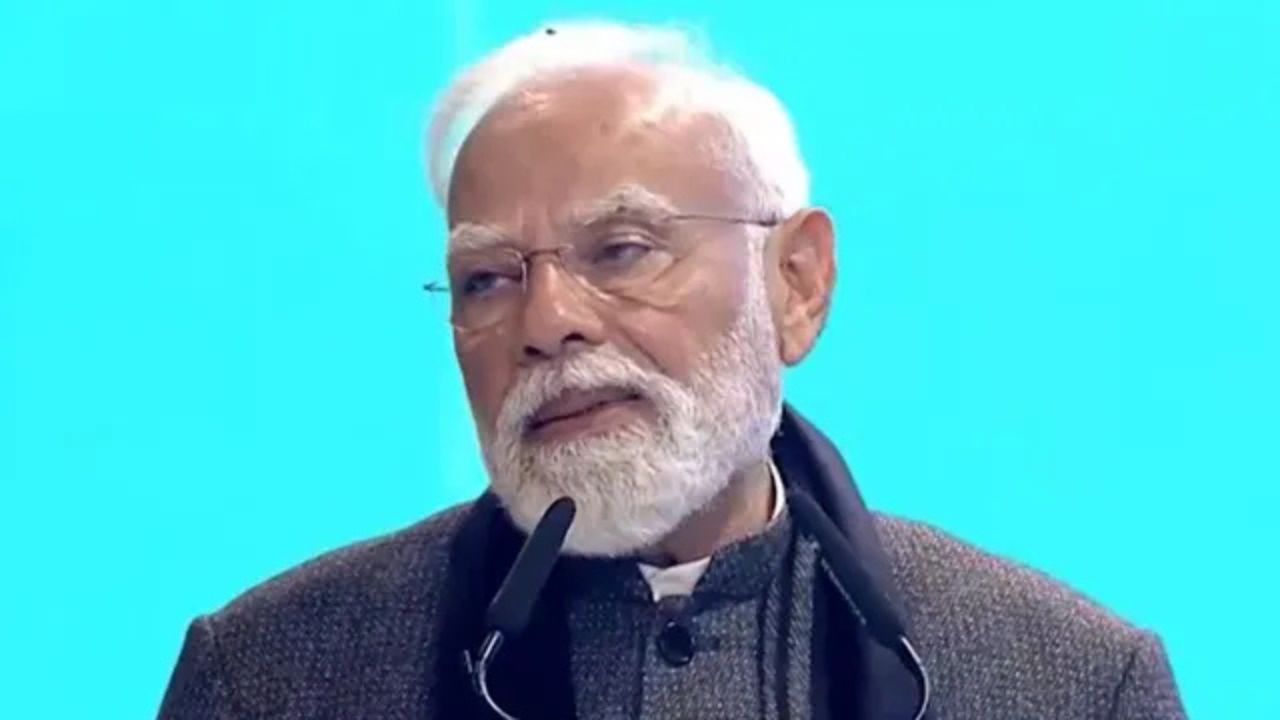
Global experts discuss traditional medicine integration in the summit.
New Delhi: Prime Minister Narendra Modi concluded the Second WHO Global Summit on Traditional Medicine in New Delhi on December 19, 2025. The three-day event at Bharat Mandapam brought together world leaders, health experts, and policymakers to discuss ways of strengthening, standardising, and integrating traditional medicine systems into modern healthcare. The summit underscored India’s pivotal role in promoting traditional practices on a global scale.
During his address, PM Modi emphasised the universal significance of Yoga, describing it as an essential part of traditional medicine. He noted that Yoga has guided the world toward health, balance, and well-being. The Prime Minister also highlighted India’s role in establishing June 21st as International Yoga Day, a recognition supported by over 175 countries, showcasing the global appeal of this ancient practice.
One of the major announcements was the launch of the My Ayush Integrated Services Portal, known as MAISP. This platform provides a centralised online access point for services related to Ayurveda, Yoga, Unani, Siddha, and homeopathy. The portal is designed to improve access for both users and practitioners while ensuring transparency in the delivery of Ayush-based healthcare services.
Speaking during the closing ceremony of Second WHO Global Summit on Traditional Medicine.@WHO https://t.co/ysO8TKiWJ8
— Narendra Modi (@narendramodi) December 19, 2025
PM Modi also unveiled the Ayush Mark, intended to serve as a global benchmark for the quality of Ayush products and services. In addition, he released a WHO technical report on Yoga training and the book "From Roots to Global Reach: 11 Years of Transformation in Ayush," reflecting India’s ongoing efforts to strengthen and promote traditional medicine worldwide.
In a symbolic move, the Prime Minister released a postal stamp dedicated to Ashwagandha, demonstrating the worldwide resonance of India’s medicinal heritage. He also inaugurated the new WHO-South East Asia Regional Office complex in Delhi, which will include the WHO India Country Office, marking an important milestone in India’s collaboration with the World Health Organisation.
PM Modi honoured recipients of the Prime Minister's Awards for Outstanding Contribution to Yoga for the years 2021-2025. These awards recognise individuals whose dedication has helped advance Yoga globally, reaffirming its role as a tool for health, balance, and holistic well-being while contributing to a healthier New India.
Is it right to take medicines with milk or tea? What does science say?
The Prime Minister visited the Traditional Medicine Discovery Space, an exhibition showcasing the depth, diversity, and modern relevance of traditional medicine knowledge from India and around the world. The display highlighted innovations, evidence-based research, and the growing role of traditional practices in global healthcare.
The summit, themed "Restoring balance: The science and practice of health and well-being," focused on research, regulation, and international cooperation in traditional medicine. It aligned with the WHO Global Traditional Medicine Strategy 2025–2034, aiming to expand the global role of traditional medicine while ensuring quality, safety, and scientific rigour.

