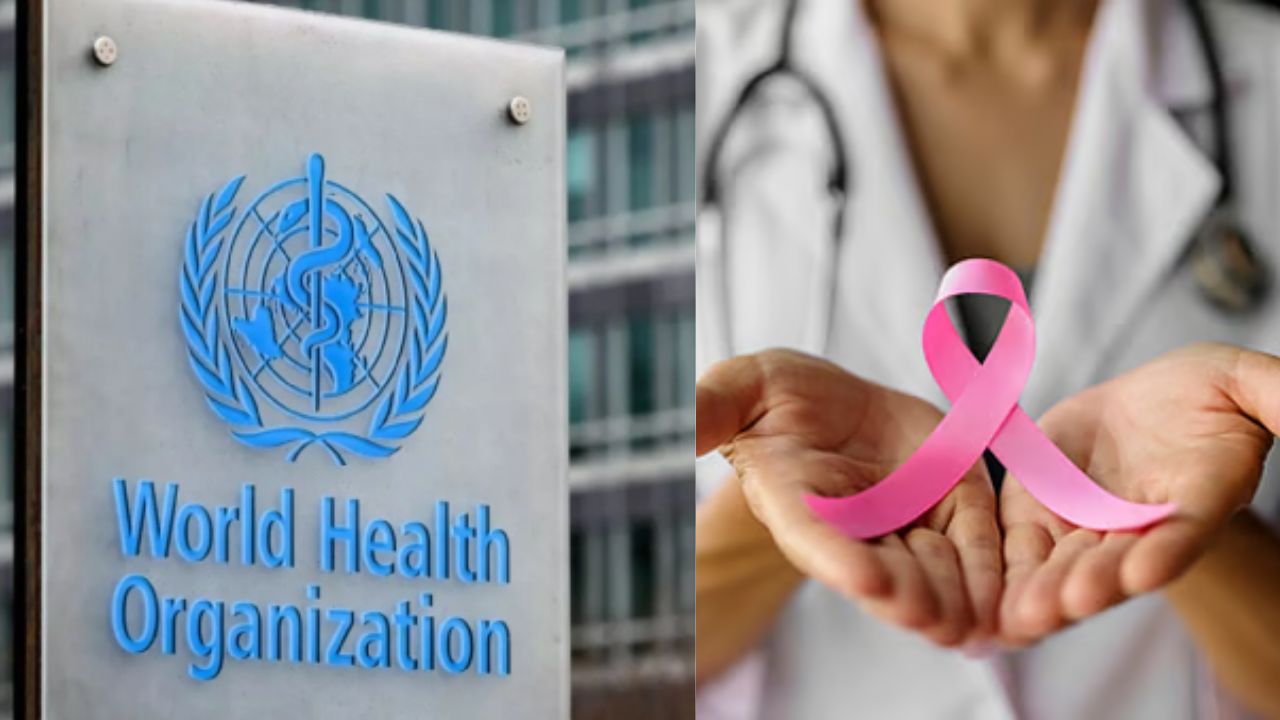
WHO study revels cancer can be prevented
New Delhi / Geneva: Nearly four out of every ten cancer cases worldwide could be prevented, according to a major global analysis released by the World Health Organization (WHO) and its cancer research arm, the International Agency for Research on Cancer (IARC).
The study, published ahead of World Cancer Day on February 4, estimates that around 37% of all new cancer cases diagnosed in 2022-about 7.1 million cases-were caused by avoidable risk factors. Researchers assessed 30 preventable causes, ranging from tobacco use and alcohol consumption to obesity, air pollution, ultraviolet radiation, and-for the first time in a global analysis—nine cancer-causing infections.
Drawing on data from 185 countries and 36 types of cancer, the report identifies tobacco use as the single largest preventable cause, responsible for 15% of all new cancer cases globally. This was followed by infections (10%) and alcohol consumption (3%).
The analysis found that lung, stomach, and cervical cancers together accounted for nearly half of all preventable cancer cases worldwide. Lung cancer was mainly linked to smoking and air pollution, stomach cancer to Helicobacter pylori infection, and cervical cancer largely to human papillomavirus (HPV).
“This is the first time we can clearly quantify how much of the global cancer burden comes from risks that can be avoided,” said Dr André Ilbawi, WHO’s Team Lead for Cancer Control. “Understanding these patterns helps governments and individuals take targeted actions to stop cancer before it begins.”
Wide Differences Across Gender and Regions
The study highlights notable differences between men and women. Preventable cancers accounted for 45% of new cases among men, compared with 30% among women. Smoking was the dominant risk factor for men, while infections and high body mass index played a larger role among women.
Regional disparities were also striking. Among women, preventable cancer cases ranged from 24% in North Africa and West Asia to 38% in sub-Saharan Africa. For men, the highest share was seen in East Asia (57%), while Latin America and the Caribbean reported the lowest (28%).
Experts attribute these variations to differences in lifestyle, environmental exposure, infection rates, public health policies, and access to prevention and healthcare services.
“This comprehensive assessment shows that tackling preventable causes-especially infections and behavioural risks-offers one of the strongest opportunities to reduce cancer worldwide,” said Dr Isabelle Soerjomataram, Deputy Head of IARC’s Cancer Surveillance Unit.
The report calls for region-specific prevention strategies, including stricter tobacco and alcohol control, wider vaccination against HPV and hepatitis B, cleaner air, safer workplaces, and healthier diets and physical activity environments.
The findings reinforce that prevention is not only life-saving but cost-effective, reducing long-term healthcare burdens while improving overall public health.

