English
 English

China plays another strategic move to pounce USA
New Delhi: A trade surplus occurs when a country exports more goods than it imports, earning more foreign exchange than it spends. China has been running a trade surplus for decades, largely because it has evolved into the world’s biggest manufacturing hub. Its ability to produce a wide range of goods at low cost has helped it dominate global markets and lift millions of people out of poverty.
According to the latest official data, China’s trade surplus reached a record $1.2 trillion in 2025, rising sharply from about $993 billion in 2024. This is significant because successive US governments—under both Donald Trump and Joe Biden—have tried to reduce China’s growing trade dominance since 2016–17. Instead of shrinking, China’s surplus has expanded dramatically, growing nearly tenfold since 2005 and tripling since 2017.
China crafts a cunning plan to cordon off India and the USA: Will Pakistan help China?
The answer depends on how the data is viewed. From a narrow perspective, US tariffs appear to have worked. China’s trade surplus with the United States fell from $327 billion in late 2024 to $257 billion by late 2025. Higher tariffs made Chinese goods more expensive in the US, reducing American demand and cutting Chinese exports to the US significantly.
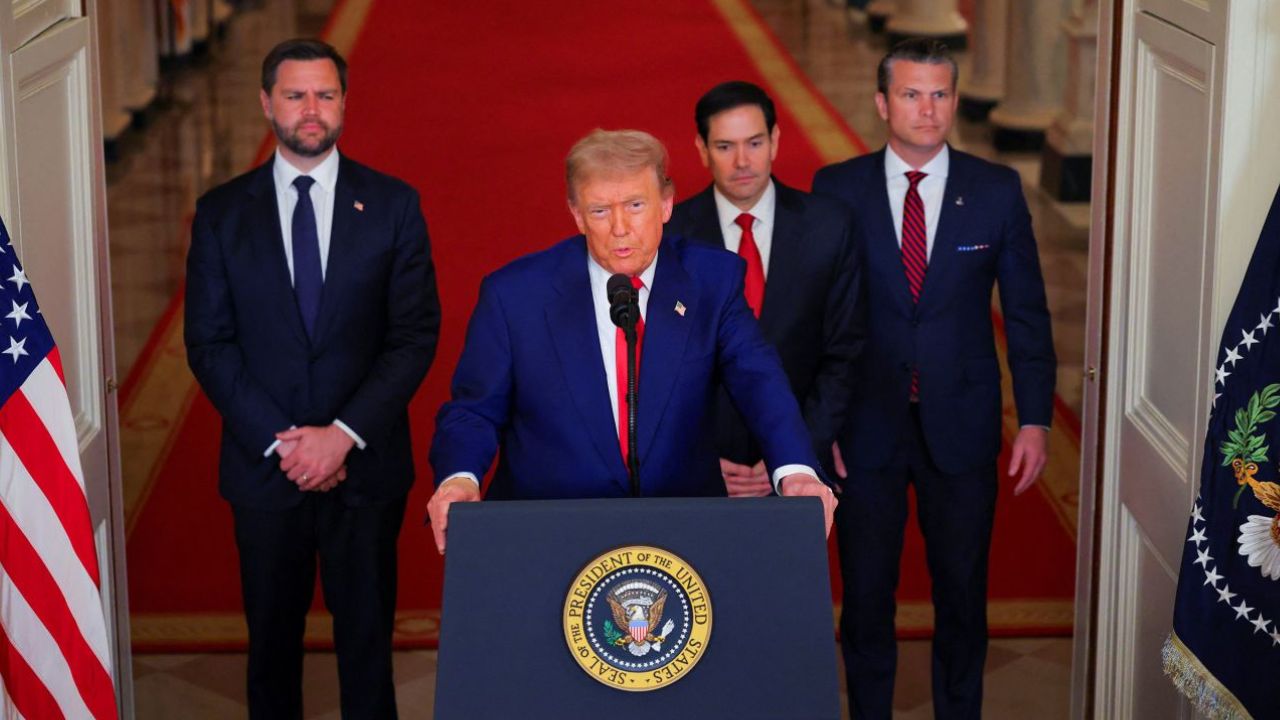
US President Donald Trump (Source: Internet)
However, from a broader global perspective, the tariffs look ineffective. While exports to the US declined, China redirected its goods to other markets. As a result, its overall global trade surplus rose by more than 20% in just one year. In this sense, US tariffs failed to curb China’s global trade dominance and instead reshaped trade flows.
China’s dominance creates several challenges. First is a financial problem: countries importing heavily from China must keep finding foreign exchange to pay for those imports. Persistent trade deficits strain reserves, especially for developing economies.
Second is a macroeconomic issue. When one country produces most of the world’s manufactured goods—cars, steel, electronics, toys—other countries’ domestic industries struggle to survive. This leads to job losses, weaker local manufacturing, and slower economic growth elsewhere.
These economic pressures often translate into political problems. Around the world, resentment against globalisation, free trade, and immigration has grown as people feel left behind by unequal trade outcomes.
Many experts argue that China’s success is not purely market-driven. They point to low wages, a deliberately weak currency, and large government subsidies that allow Chinese firms to overproduce and sell goods cheaply, sometimes even at a loss. Such practices distort global competition and deepen trade imbalances.
After Venezuela, India, China and Brazil in US crosshairs as Trump clears 500% tariff sanctions bill
India, despite taking steps to protect its domestic industry, continues to see China’s trade surplus with it rise. This raises a critical policy question: should India open its markets to benefit consumers with cheaper goods, or restrict imports to protect domestic manufacturers and jobs? The answer involves balancing short-term consumer gains against long-term industrial strength.