How is India Silently Preparing to Counter China’s Water Bomb?

China is building the world’s largest hydropower dam on the Brahmaputra, raising environmental and strategic concerns for India. Sudden water release or blockage could affect millions. India is monitoring closely and planning its own hydropower projects.
Post Published By: Karan Sharma
Updated : 18 December 2025, 6:03 PM IST
google-preferred

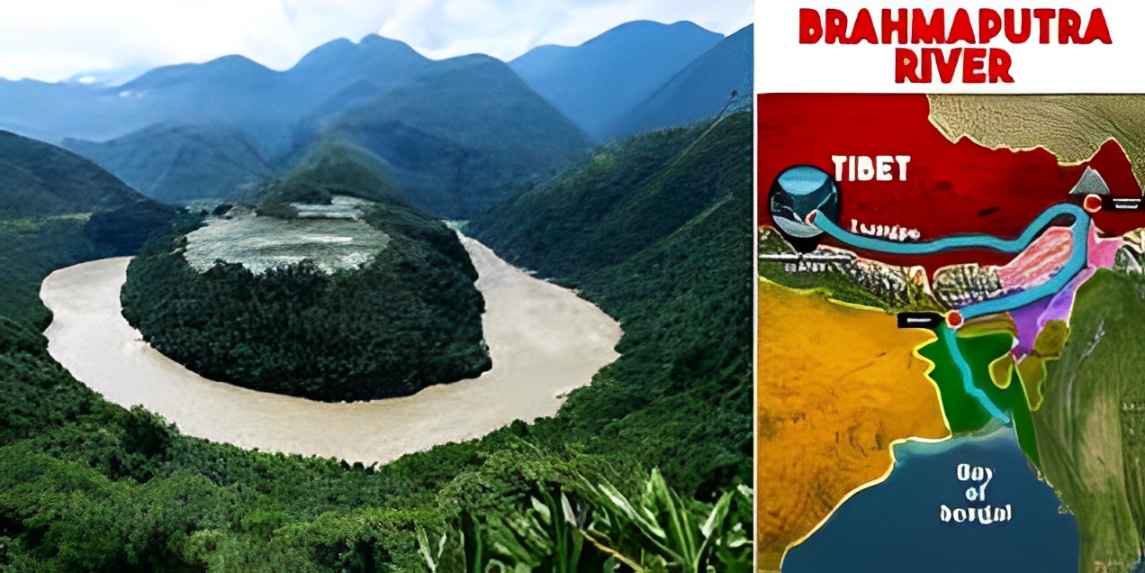
New Delhi: China is building the world's largest and most powerful hydropower dam on the Yarlung Tsangpo River in the Tibetan region. While China claims its purpose is solely to increase energy production, the project has raised serious concerns in India and Bangladesh.

The river is known as the Brahmaputra in India and the Jamuna in Bangladesh. The dam is being built at a cost of $68 billion and is expected to be three times more powerful than the Three Gorges Dam upon completion.

SAARC in Crisis: Pakistan Blames India, Eyes New South Asia Alliance with China and Bangladesh

Potential Threats to India and Bangladesh

This project could affect the lives and livelihoods of millions of people in India and Bangladesh. India has expressed concerns about the lack of transparency surrounding the dam and the potential for water to be used as a weapon.  Experts say that the dam, under Chinese control, could alter water flow into India, potentially leading to sudden floods or droughts.

PM Modi, Vladimir Putin and Xi Jinping seen together on the SCO platform

Arunachal Pradesh Chief Minister Pema Khandu has warned that China could use the dam as a "time bomb" by controlling the timing and volume of water released. This could not only impact the environment but also strategically jeopardize India's interests.

India's Monitoring and Preparedness

Minister of State for External Affairs Kirti Vardhan Singh stated that India is continuously monitoring the project. The Ministry of External Affairs informed the Rajya Sabha (Upper House of Parliament) that China had made the project public in 1986 and preparations have been underway since then.
The Indian government is closely monitoring all developments related to the Brahmaputra River and is taking necessary steps to safeguard its interests.

Environmental and Economic Impact on India

Most of the Brahmaputra River's water in India comes from monsoon rains and tributaries. Experts say that changes in the upper reaches of the river could affect the river's ecosystem.
Even small changes could impact the fertile floodplains and fisheries of Assam and Arunachal Pradesh. This region is already vulnerable to climate change. India's Plans and Hydropower Development
To counter China's project, India is also planning to build at least 208 hydroelectric projects on its section of the Brahmaputra River. The National Hydroelectric Power Corporation (NHPC) is working on a mega-project with a capacity of 11,200 megawatts. This will not only increase energy production but also strengthen India's security and strategic position.

Location : 
  • New Delhi

Published : 
  • 18 December 2025, 6:03 PM IST

Related News

No related posts found.