
 English
 English
Amid rising tensions, Iran is reportedly charging up to $2 million from ships passing through the Strait of Hormuz under a “risk fee.” An intelligence report claims this is the first time such a toll has been imposed on the strategic route.
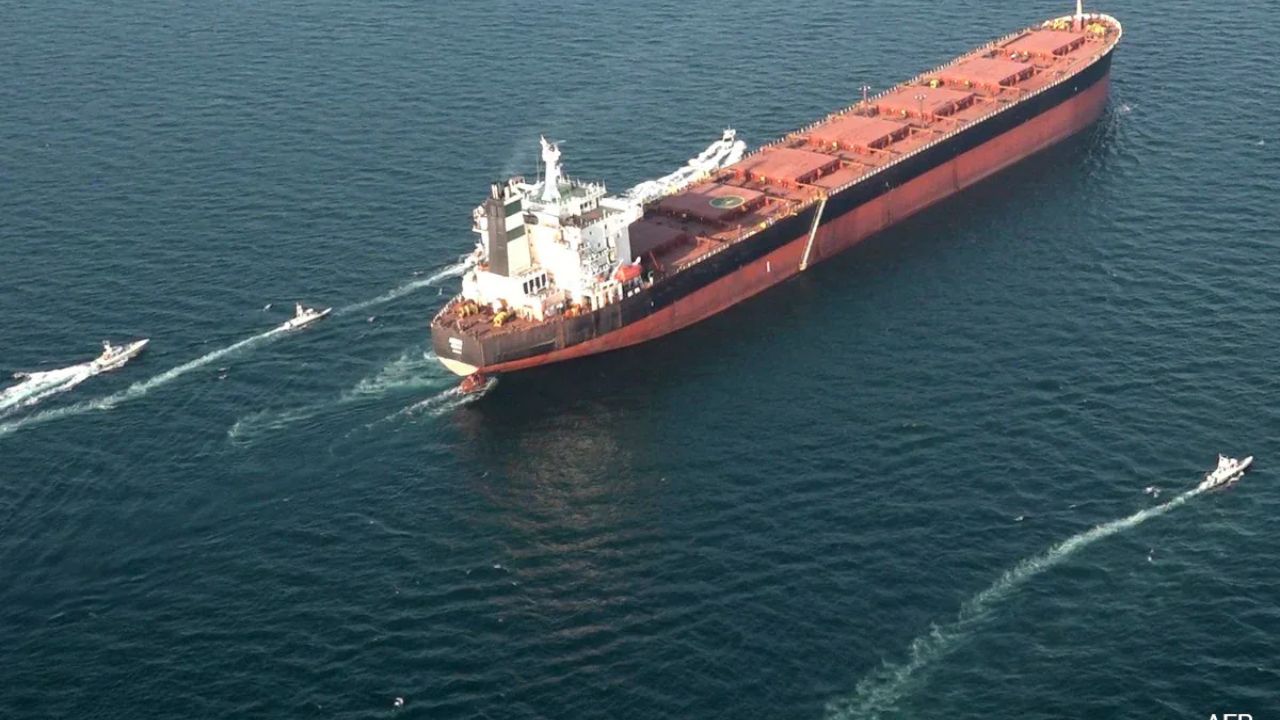
Iran Introduces Transit Fee in Hormuz
New Delhi: Reports have emerged that Iran is now charging ships passing through the Strait of Hormuz a toll. According to an intelligence report, Iran is charging ships up to $2 million (approximately ₹18-20 crore) in the name of a "risk charge." This is the first time such a fee has been imposed on ships transiting this crucial sea route.
Until now, no transit fee was charged from ships passing through the Strait of Hormuz. However, current reports claim that Iran has taken this step amid changing circumstances. An official statement from Iran on this matter has not yet been released.
According to a report by the Lloyd Intelligence Institute, amid rising tensions in the Persian Gulf, Iran has created a safe corridor near Hormuz. This corridor has been created around Larak Island, from where nine ships have been evacuated so far. One of these ships has confirmed paying a $2 million toll.
The report states that the ships passing through this corridor belonged to India, China, Pakistan, and Malaysia. However, it is not clear how many ships from each country were involved. According to sources, this corridor was created as part of diplomatic efforts.
Iran's Foreign Minister Abbas Araghchi has stated that Iran is only allowing ships from countries it considers friendly to pass through. Meanwhile, the US is attempting to form an international coalition that could challenge Iran's control over the Strait of Hormuz.
According to experts, Iran aims to achieve two main objectives through this toll collection. First, to increase revenue amid economic pressure and to take retaliatory action against countries imposing sanctions. Second, to demonstrate that it still maintains influence and control over the Strait of Hormuz.
The Strait of Hormuz lies between the Persian Gulf and the Gulf of Oman and is considered crucial for global trade, particularly oil supplies. Any changes there could have a significant impact on international trade and geopolitical dynamics.