English
 English

A proposed US-Iran framework reportedly links Iran's nuclear commitments with the reopening of the strategically important Strait of Hormuz. (Img: X)
Washington: A proposed diplomatic framework between the United States and Iran could pave the way for a significant de-escalation of tensions in the Middle East, with Tehran potentially agreeing to transfer its highly enriched uranium stockpile to a third country or reduce its enrichment levels. The preliminary proposal also envisages reopening the strategically vital Strait of Hormuz to international shipping within seven days of an initial understanding between Washington and Tehran, according to a report by Al Arabiya English.
The draft framework, which reportedly outlines a possible roadmap for negotiations, links Iran's nuclear commitments and maritime security obligations with reciprocal economic concessions from the United States. The proposal also identifies China as a potential guarantor responsible for supporting the implementation and long-term sustainability of any eventual agreement.
Under the proposed diplomatic arrangement, direct negotiations between American and Iranian representatives could be held in Doha, Qatar, instead of Istanbul, Turkey. The proposed change in venue comes as regional and international stakeholders intensify diplomatic efforts to prevent further military escalation and restore stability across the Middle East.
One of the most significant provisions in the preliminary framework concerns Iran's stockpile of highly enriched uranium, which remains a central point of disagreement between Tehran and Washington.
According to the reported proposal, Iran could either transfer its existing highly enriched uranium stockpile to a mutually agreed third country or substantially reduce its enrichment levels. Such a move would form a key component of Tehran's commitments under a potential nuclear understanding.
The proposal also seeks to establish a direct link between progress on the nuclear issue and improvements in regional maritime security. Reopening the Strait of Hormuz within seven days of an initial agreement has been identified as an important early-stage commitment.
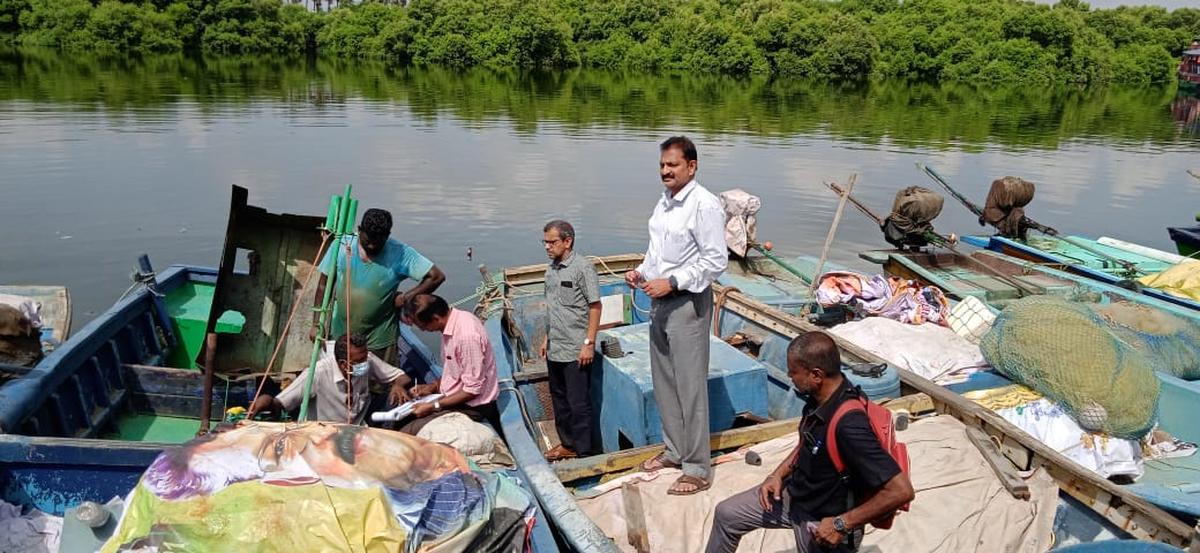
The Strait of Hormuz is one of the world's most strategically important maritime chokepoints, connecting the Persian Gulf with the Gulf of Oman and international shipping routes. It is particularly significant for global crude oil and liquefied natural gas supplies, making any disruption to navigation a major concern for energy markets, shipping companies and importing economies, including India.
A restoration of unrestricted commercial maritime traffic through the waterway could ease concerns over international energy supplies, shipping insurance costs and regional trade flows.
The proposed framework outlines a reciprocal arrangement under which Iran would undertake commitments concerning its nuclear programme and maritime security, while Washington would consider easing sanctions, blockades and other economic restrictions. The draft reportedly seeks to establish a phased implementation mechanism rather than requiring either side to make substantial concessions immediately.
An independent verification system is also envisaged to assess compliance by both countries before the next phase of the proposed agreement moves forward. This mechanism would be designed to ensure that American and Iranian commitments are fulfilled through independently verifiable actions.
Under this approach, neither Washington nor Tehran would be expected to make major strategic concessions without receiving corresponding commitments from the other side.
The framework further proposes a dedicated dispute-resolution mechanism involving mediators and guarantor countries. The arrangement would address implementation delays, disagreements and potential violations while preventing diplomatic setbacks from triggering another round of military confrontation.
Diplomatic efforts to revive a ceasefire and establish a negotiating framework gained momentum on Friday, with a Qatari delegation arriving in Iran for high-level consultations, according to Iranian state news agency IRNA.
The delegation was reportedly led by a senior adviser to Qatar's prime minister and foreign minister. Its visit formed part of Doha's broader diplomatic engagement with Tehran and Washington, with Qatari representatives coordinating efforts with the United States.
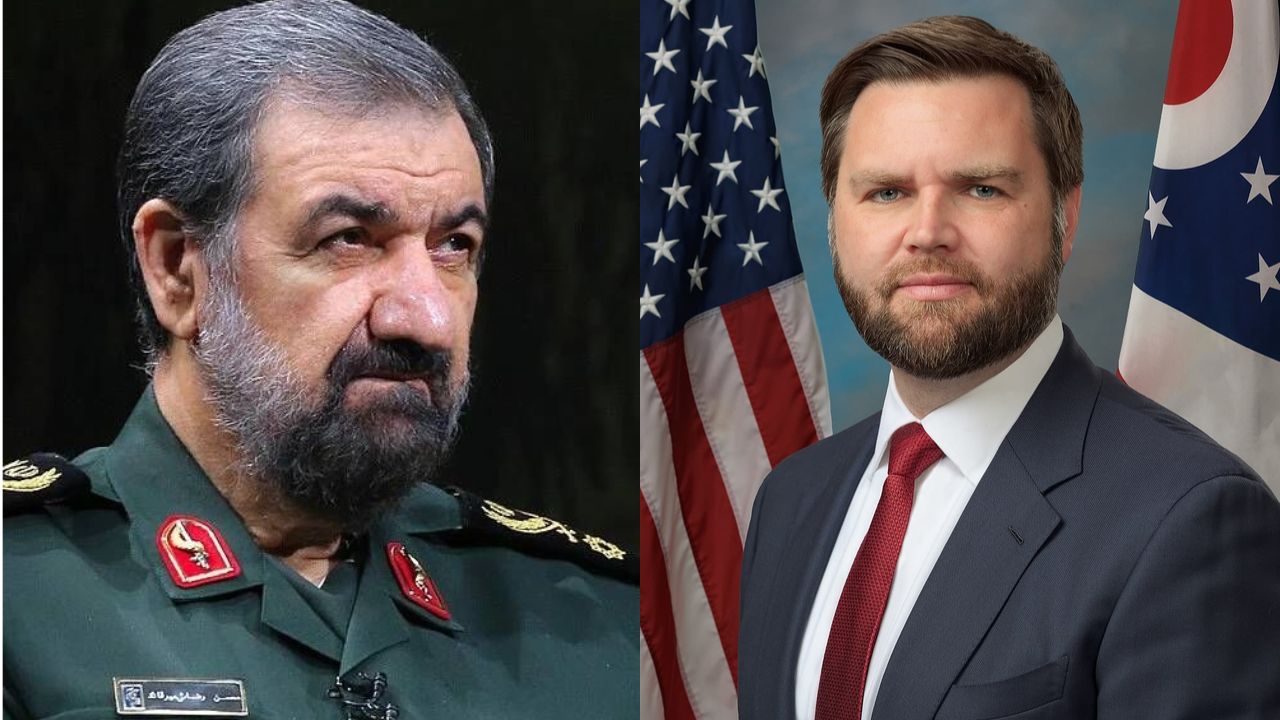
Qatar has emerged as an important diplomatic intermediary in regional disputes, using its communication channels with different stakeholders to facilitate negotiations and prevent further escalation. Meanwhile, a communication from US Vice President JD Vance to Iranian security official Mohsen Rezaei was reportedly delivered through Qatari envoys.
According to reports, the message was welcomed in Tehran as it outlined a possible diplomatic pathway aimed at preventing additional American military strikes and creating conditions for renewed negotiations.
The reported exchange indicates that backchannel communication remains an important element of the ongoing diplomatic process, even as major disagreements between the two countries continue.
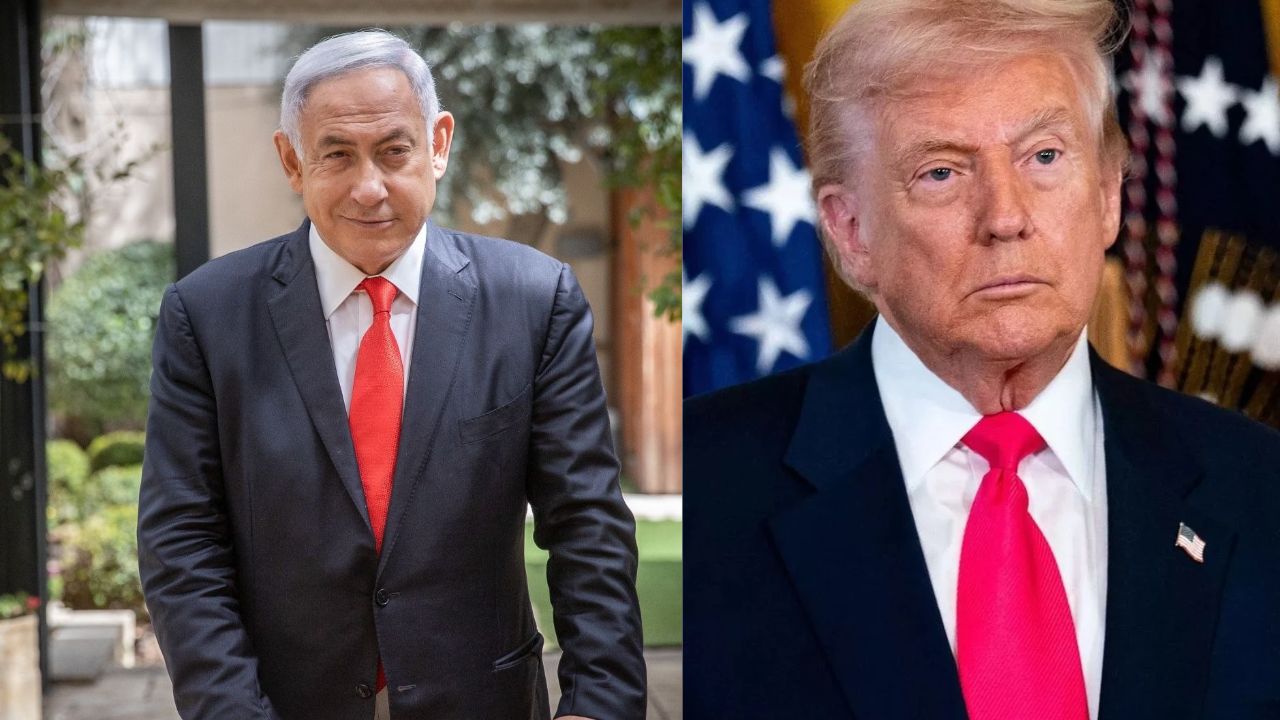
Amid the emerging diplomatic developments, US President Donald Trump has maintained that Washington is under no immediate pressure to bring the conflict with Iran to an end. Speaking to reporters in the Oval Office, Trump described the confrontation as an unconventional military conflict and asserted that Iran remained interested in negotiations.
He also claimed that Tehran was experiencing significant financial difficulties, including problems paying military personnel and law enforcement officials. However, these assertions were not independently substantiated in the reported remarks.
Trump indicated that the United States had sufficient time to pursue its objectives and was not prepared to rush into an agreement. The American president also played down the financial implications of the military campaign, claiming that Washington's expenditure had been relatively limited and that the costs had been offset by financial gains elsewhere, including developments involving Venezuela.
However, Trump did not provide supporting figures or independent evidence to substantiate his assertion that the financial returns from Venezuela had exceeded the cost of the military operation against Iran.
Despite expressing confidence in Washington's strategic position, Trump has continued to leave open the possibility of renewed military action against Tehran. He previously referred to the prospect of another limited operation under the name Epic Fury, recalling the initial American military campaign against Iran. At the same time, he indicated that a comprehensive and favourable diplomatic agreement remained possible if the two countries could resolve their outstanding differences.
Parallel diplomatic initiatives are also continuing through Ankara, which has been engaging with Washington over the evolving regional situation. Turkish Foreign Minister Hakan Fidan met US Secretary of State Marco Rubio on the sidelines of a G20 ministerial gathering in the United States on Friday, according to Turkey's state-run Anadolu Agency.
The discussions reportedly covered the ongoing diplomatic engagement between Washington and Tehran, broader developments across the Middle East and bilateral relations between Turkey and the United States.
The meeting followed a telephone conversation earlier in the week between Turkish President Recep Tayyip Erdogan and Trump. During the interaction, Ankara reportedly conveyed its concerns regarding the security of regional maritime routes and expressed support for diplomatic initiatives aimed at reducing tensions. Turkey's involvement adds another diplomatic channel to the ongoing efforts, alongside Qatar's mediation and the potential role of China as a guarantor under the proposed framework.
The proposed reopening of the Strait of Hormuz carries implications extending far beyond the immediate US-Iran confrontation. The narrow maritime passage is a crucial transit route for international energy shipments, particularly crude oil and natural gas exports from Gulf-producing countries. Any prolonged disruption can increase uncertainty in global energy markets, push up transportation and insurance costs and affect international supply chains.
For India, which relies heavily on imported crude oil, stability in the Persian Gulf and uninterrupted shipping through the Strait of Hormuz are particularly important. A prolonged disruption could expose Indian energy imports to higher freight charges, supply uncertainty and fluctuations in international crude prices.
It could also have wider implications for domestic fuel prices, inflationary pressures and the country's import bill. Consequently, a successful diplomatic arrangement that restores maritime movement while addressing nuclear concerns could have considerable economic and strategic significance for India.
The emerging proposal represents a possible diplomatic roadmap for addressing some of the most contentious issues between Washington and Tehran, including uranium enrichment, economic sanctions, maritime security and military tensions. However, the reported framework remains preliminary, and its provisions should not be interpreted as a final agreement or confirmed Iranian commitment.
Major differences over Iran's nuclear programme, American sanctions and the blockade of Iranian ports continue to complicate negotiations. The proposed involvement of Qatar, Turkey and China could provide additional diplomatic channels and support mechanisms, but the success of the initiative will ultimately depend on whether both governments are willing to accept verifiable obligations and implement them within an agreed timeline.
For now, the possibility of transferring Iran's nuclear stockpile abroad and reopening the Strait of Hormuz within seven days offers a potential route towards de-escalation. Whether the preliminary proposal can evolve into a binding agreement and prevent another phase of military confrontation remains uncertain.