 English
 English

Indian merchant vessels have been exempted from Iran's restrictions on shipping through the Strait of Hormuz. (Img: Pinterest)
Tehran: Iran has exempted Indian merchant vessels from restrictions imposed on shipping through the strategically vital Strait of Hormuz, allowing Indian ships to navigate the critical maritime corridor without hindrance. The exemption also extends to vessels from China, Iraq and Qatar, as Tehran seeks to safeguard strategic economic interests and maintain key international partnerships amid escalating tensions with the United States.
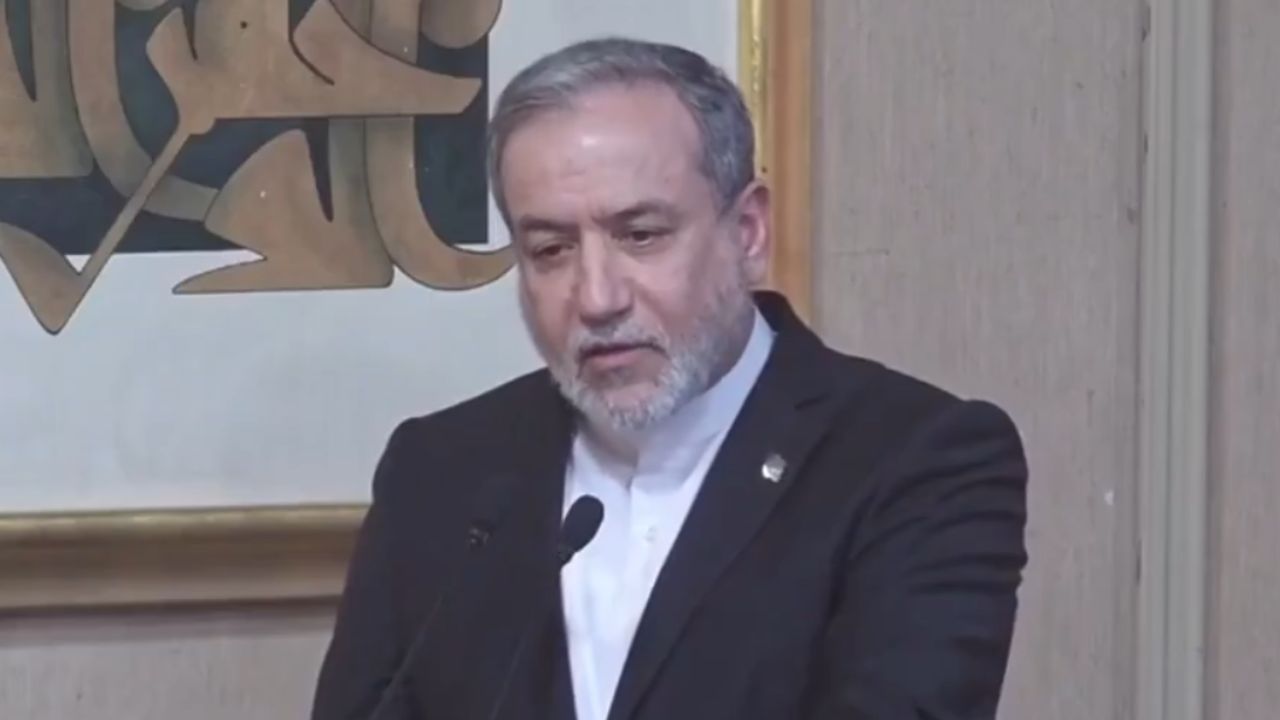
Ahmad Hayat-Moghaddam, Deputy Chairman of the Iranian Parliament’s National Security and Foreign Policy Committee, confirmed that merchant vessels from the four countries have been granted special transit exemptions. He indicated that the decision was driven by Iran’s economic and diplomatic considerations, including its requirement for pharmaceutical supplies from India and political support from China.
Speaking to the Iranian Students' News Agency (ISNA) on Tuesday, Hayat-Moghaddam said that vessels from India, China, Iraq and Qatar were currently permitted to pass through the Strait of Hormuz freely, adding that US forces were also not intercepting these ships.
The Iranian lawmaker indicated that Tehran was facilitating the movement of Indian vessels to ensure continued access to medicines imported from India. The exemption for Chinese shipping, meanwhile, was linked to Iran’s efforts to maintain Beijing’s political backing. He also acknowledged that Iran was collecting transit fees from Indian and Chinese vessels, while Qatari ships were being allowed to pass without charges. He did not clarify whether Iraqi vessels were subject to transit fees.
Iran’s decision carries considerable significance for India, given the country's substantial dependence on imported energy supplies and the Strait of Hormuz's central role in global petroleum transportation.
India imports nearly 90 per cent of its crude oil requirements, with approximately 30 per cent of its current crude oil imports passing through the Strait of Hormuz. Before the escalation of the West Asia conflict, the waterway accounted for nearly 70 per cent of India's crude oil imports.
However, New Delhi has gradually diversified its energy procurement strategy, increasing purchases from Russia, the United States, West Africa and Fujairah in the United Arab Emirates (UAE). This diversification has reduced India's direct dependence on the strategic maritime corridor.
Despite the changing crude oil import mix, the Strait of Hormuz remains critical to India's broader energy security. Nearly 90 per cent of India's liquefied petroleum gas (LPG) imports transit through the waterway. More than 50 per cent of the country's liquefied natural gas (LNG) imports from Qatar and the UAE are also transported through this maritime passage.
The corridor is equally important for India's fertiliser supply chain, making uninterrupted maritime access essential for energy availability, industrial operations, agricultural requirements and domestic consumption.
Following Iran's decision to close the Strait of Hormuz and introduce restrictions on merchant shipping, India has repeatedly called for the unimpeded movement of energy supplies and the preservation of freedom of navigation through international waterways.
The Strait of Hormuz, situated between Iran and Oman, is one of the world's most strategically significant maritime chokepoints. It handles nearly 25 per cent of global seaborne oil supplies originating from West Asian countries, making any disruption a potential threat to international energy markets, shipping operations and supply-chain stability.
Restrictions on commercial shipping through the corridor have raised concerns among energy-importing economies, particularly those dependent on West Asian oil and gas exports.
The European Union (EU) has also highlighted the additional security and documentation requirements introduced by Iran's Islamic Revolutionary Guard Corps (IRGC) Navy. According to the EU, the Iranian naval force has established a system under which vessels must provide identification details, cargo information and destination particulars to obtain permission for passage.
The arrangements have added another layer of scrutiny to commercial maritime operations through the waterway, with shipping companies facing heightened security considerations and operational uncertainty.
The continuing restrictions come against the backdrop of repeated attacks on commercial vessels during the West Asia conflict, raising serious concerns over maritime security and the safety of international shipping crews.
According to the International Maritime Organization (IMO), at least 70 attacks on merchant vessels were recorded between the outbreak of the conflict in February and August. These incidents resulted in the deaths of 19 seafarers.
The conflict has also taken a significant toll on Indian nationals working in the maritime sector. Fifteen seafarers are among the 24 Indian nationals killed so far in the West Asia conflict.
The casualties have underscored the growing risks faced by merchant shipping personnel operating in conflict-affected maritime zones, particularly along strategically important energy transportation routes.
Meanwhile, Tehran is witnessing growing differences between its political leadership and military establishment over the possibility of renewed direct confrontation with the United States. According to a report by Al Arabiya, Iran's internal assessments increasingly consider a resumption of direct military conflict with Washington the most likely scenario. Despite these security concerns, senior political leaders are reportedly pressing the country's military leadership to consider a diplomatic initiative facilitated by Qatar.
Iranian President Masoud Pezeshkian, Parliament Speaker Mohammad Bagher Ghalibaf and Foreign Minister Abbas Araghchi have reportedly advised the military leadership to engage constructively with a proposal submitted by Qatari mediators aimed at halting the conflict. The report, citing sources, stated that senior political figures were advocating diplomatic engagement rather than allowing the situation to move towards another military confrontation.
Qatari representatives recently travelled to Tehran with a specific mandate to obtain Iran's official response to the proposed diplomatic framework. Their visit was reportedly not intended to initiate prolonged negotiations or conduct multiple rounds of discussions. Instead, the mediators sought a definitive position from the Iranian leadership on the proposal.
However, Iran's military strategists remain sceptical about the prospects of sustaining peace with the United States. Their assessments reportedly continue to identify a return to active military confrontation with American forces as the most likely trajectory.
The latest developments highlight the two parallel challenges facing Tehran: managing restrictions and economic interests surrounding the Strait of Hormuz while navigating the possibility of another direct conflict with Washington.
For India, the exemption granted to its merchant vessels provides an important diplomatic and maritime development. However, the country's dependence on the Hormuz corridor for LPG, LNG and fertiliser supplies means that sustained freedom of navigation remains a critical factor in protecting its energy security and economic interests.