 English
 English

Senior Pentagon official Elbridge Colby warns that a regional conflict involving nuclear weapons can quickly spiral into a wider global crisis
Washington: The Pentagon has issued a major warning over the possibility of a regional conflict turning into a global nuclear crisis, saying that even limited nuclear weapon use in a local war could trigger unpredictable escalation. Elbridge Colby, the US Under Secretary of War for Policy, warned that the biggest nuclear threat may not come from a direct large-scale attack but from smaller conflicts that expand due to military miscalculations, political pressure and rapid decision-making during a crisis.
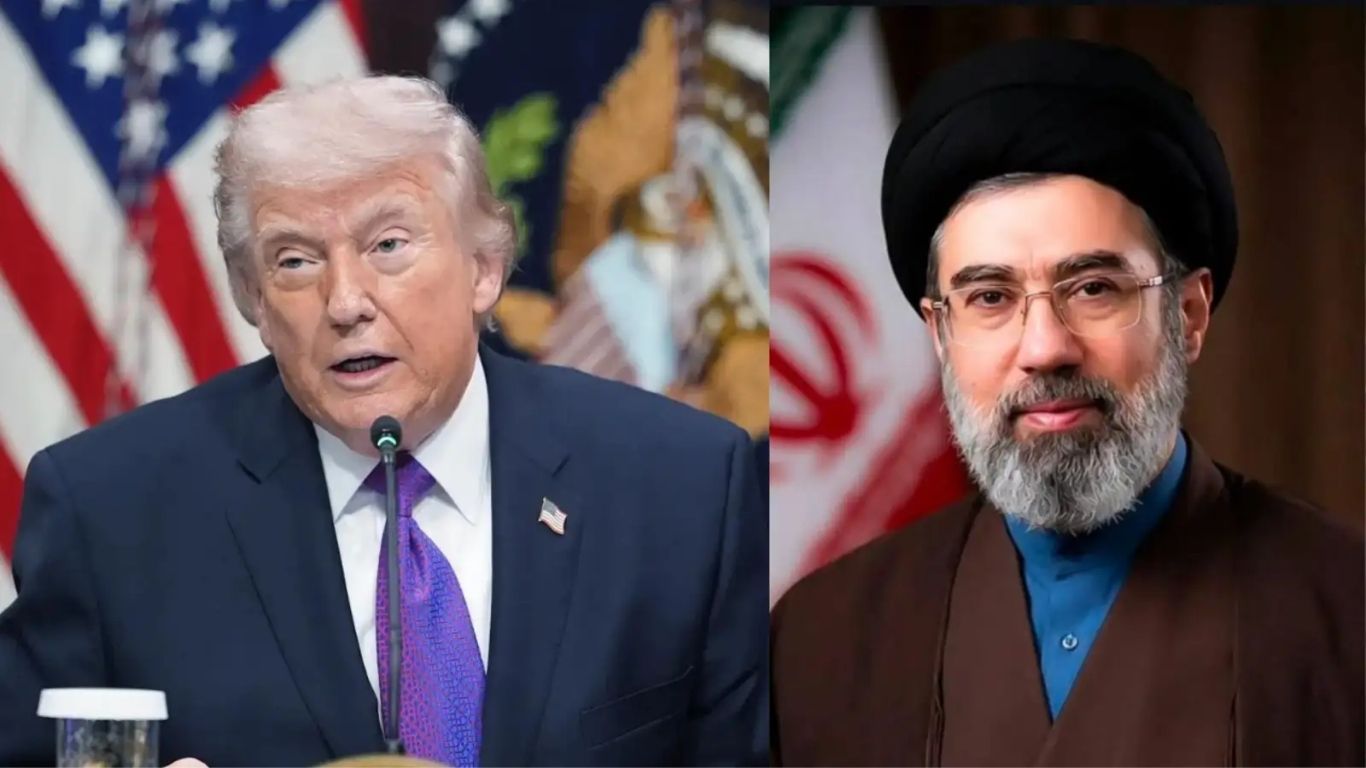
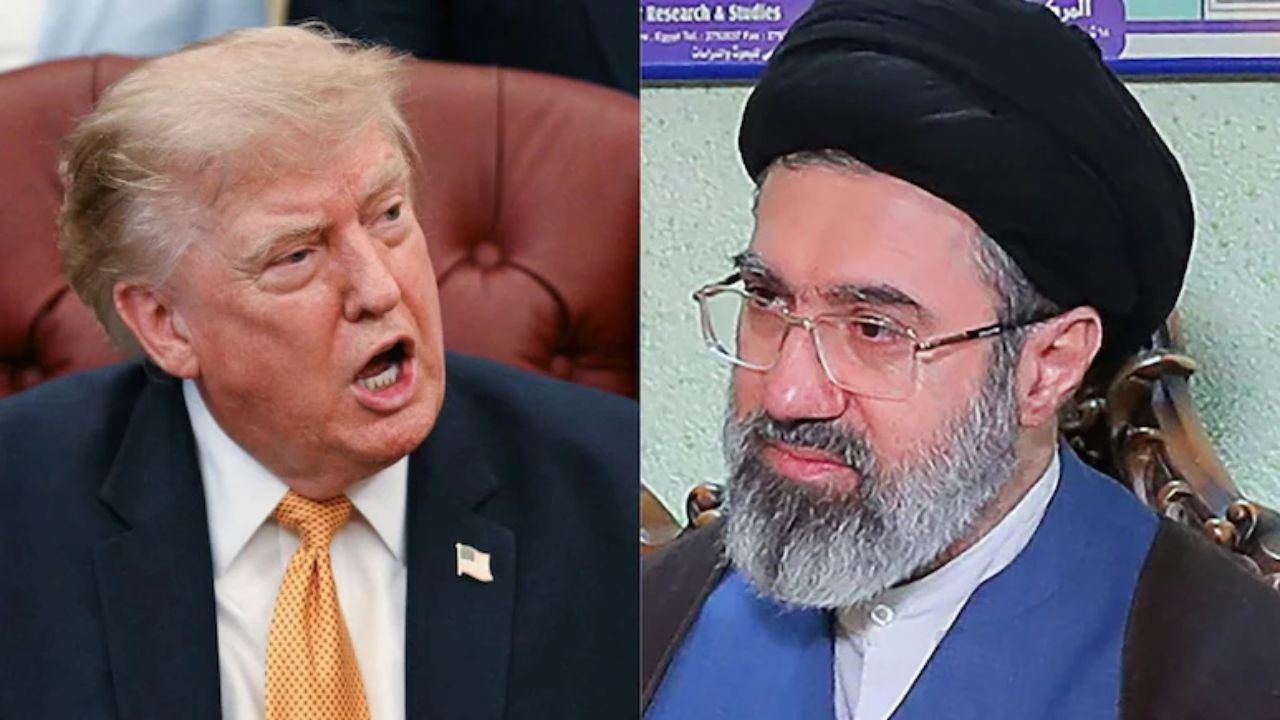
His remarks have drawn global attention as tensions around Iran, US foreign policy and nuclear deterrence continue to dominate international security discussions. The warning comes after former US lawmaker Marjorie Taylor Greene claimed that discussions over possible nuclear options against Iran took place during Trump administration strategy meetings, although she has not provided evidence to support the allegation.
Speaking at the 2026 United States Strategic Command Deterrence Symposium, Colby highlighted the growing risks linked to regional wars in an increasingly unstable global environment.
According to the Pentagon official, a direct nuclear strike against the United States would likely face strong retaliation, creating a powerful deterrence effect. However, a smaller regional conflict could become more dangerous if nuclear weapons are used on a limited scale and other countries respond with further military action. The concern is that a local battlefield situation could rapidly expand into a wider confrontation involving major powers.
Military experts have repeatedly warned that nuclear escalation does not always begin with a planned attack. Misreading troop movements, intelligence failures or incorrect assumptions about an opponent’s intentions can create a dangerous chain reaction.
The Pentagon warning has emerged at a time when Iran remains one of the most sensitive geopolitical flashpoints for the United States and its allies. The debate intensified after former US Congresswoman Marjorie Taylor Greene claimed that nuclear weapons against Iran were discussed during high-level strategic meetings. However, no official confirmation, documents or independent evidence have been presented to verify the claim.
The Pentagon has not confirmed any plan involving the use of nuclear weapons against Iran. The development has renewed discussions about America’s military strategy, nuclear deterrence policy and the risks of escalation in the Middle East.
Colby said the modern security environment has become more complex because countries have limited time to make decisions during high-pressure situations. A military action by one country could be misunderstood by another as preparation for a larger attack. Such miscalculations could force governments to respond aggressively, increasing the possibility of a wider conflict. The Pentagon believes preventing nuclear escalation requires a combination of military readiness, intelligence capabilities, crisis communication and diplomatic engagement.
Colby said the United States needs credible defence options to discourage adversaries from taking aggressive actions while preventing an uncontrolled escalation. He stressed that nuclear deterrence is not only about weapons but also about maintaining strategic stability and ensuring that potential enemies understand the consequences of any attack. The US continues to strengthen its nuclear deterrence system through modernisation programmes and advanced defence technology.
The United States follows a nuclear triad strategy consisting of three major components — land-based intercontinental ballistic missiles, submarine-launched ballistic missiles and strategic bombers.
This system provides Washington with a second-strike capability, meaning the ability to respond even after suffering an initial attack.
One of the most important parts of this strategy is the fleet of nuclear-powered ballistic missile submarines. These submarines can remain hidden underwater for extended periods, making it difficult for any adversary to destroy America’s entire nuclear capability in a first strike.
The Pentagon official also pointed towards the changing global nuclear balance, especially China’s expanding nuclear capabilities. During the Cold War, the United States primarily focused on the Soviet Union as its main nuclear competitor. However, Washington now faces strategic challenges from both China and Russia.
Colby said managing deterrence among three major nuclear powers has created a new and complex security challenge for the world. The situation requires careful diplomacy, military preparedness and strong communication channels between major powers.
Despite highlighting nuclear risks, Colby said diplomacy remains an important part of preventing conflicts from escalating. According to US defence officials, maintaining military strength and pursuing dialogue are not opposing strategies. Both are required to reduce the chances of accidental conflict. Modern nuclear security depends on advanced weapons systems, secure communication networks, intelligence sharing and crisis management mechanisms.
Colby clarified that the United States is focusing on implementing existing nuclear modernisation plans rather than preparing an entirely new nuclear policy framework. The Pentagon’s priorities include strengthening nuclear command systems, improving survivability of weapons platforms and ensuring that nuclear forces remain secure during international crises. Officials believe that a balanced approach involving defence capability and diplomatic engagement is necessary to manage future threats.
The Pentagon’s warning has raised concerns among global observers as conflicts and rivalries continue to reshape international security. From Iran tensions in the Middle East to strategic competition between the United States, China and Russia, nuclear risks remain one of the biggest challenges facing world leaders. The latest warning highlights a growing concern among defence officials that the next major nuclear crisis may not begin with a direct attack but through an unexpected escalation from a regional conflict.