English
 English

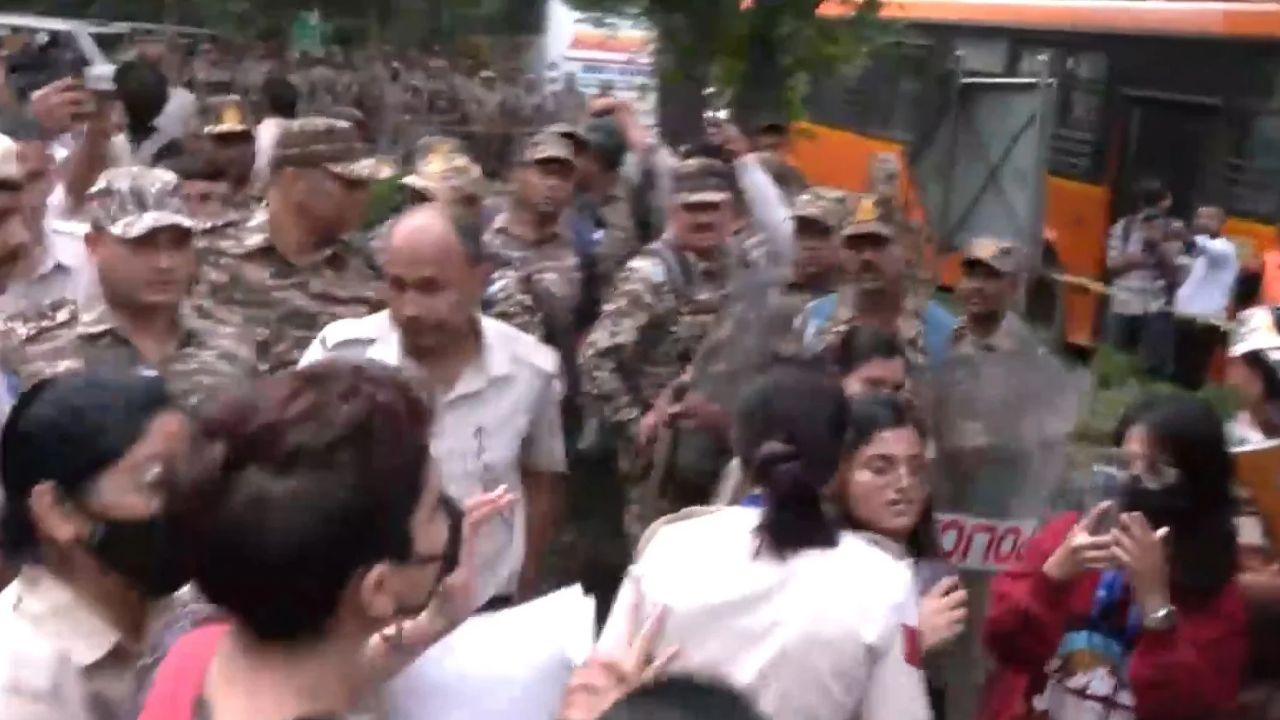
Former Bengal chief minister Mamata Banerjee has been detained by Delhi Police. She was sitting on a dharna against CEC Gyanesh Kumar on the road near the South Avenue bus stand in the national capital.
New Delhi: The escalating agitation in the national capital took a fresh turn on Saturday as Trinamool Congress (TMC) chief Mamata Banerjee and other party leaders, including Derek O’Brien, were detained amid demonstrations linked to the planned Cockroach Janta Party (CJP) protest at Jantar Mantar.
She was sitting on a dharna against CEC Gyanesh Kumar, singing Mahishasura Mardini, when Delhi Police detained her from the road near the South Avenue bus stand in the national capital.
The action came against the backdrop of heightened security across the capital and detentions involving opposition leaders, student activists and other protesters.
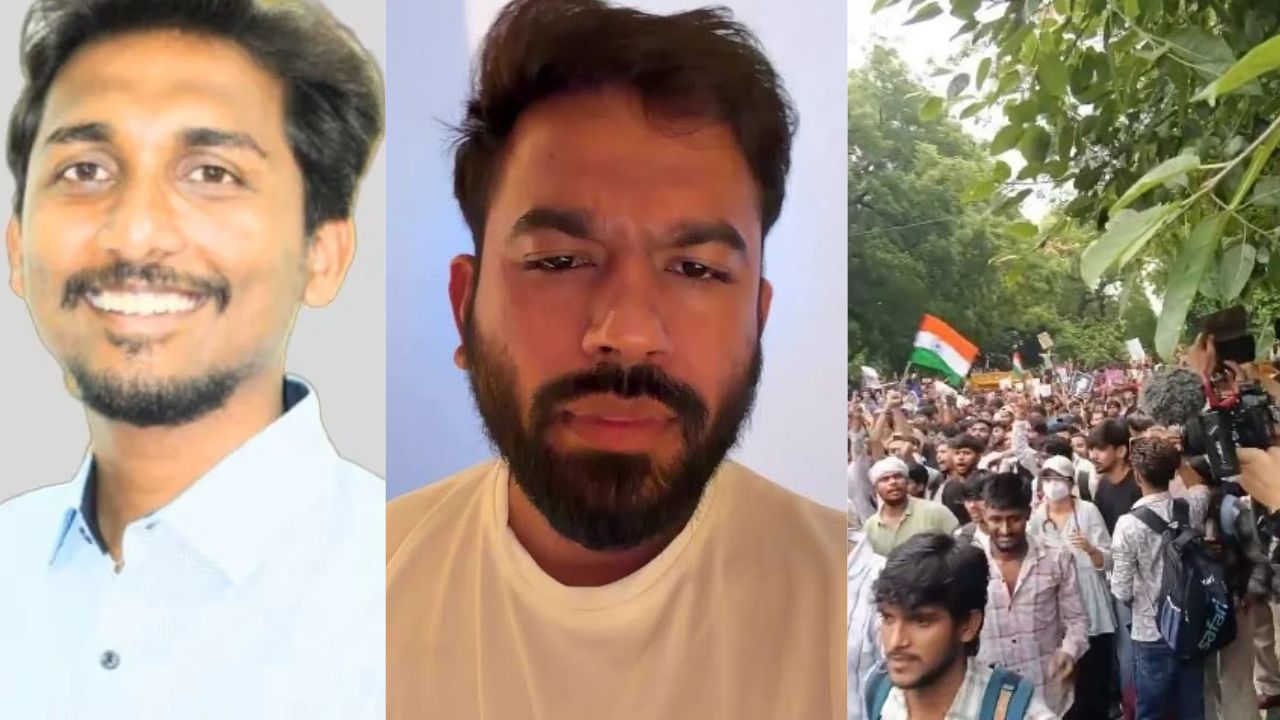
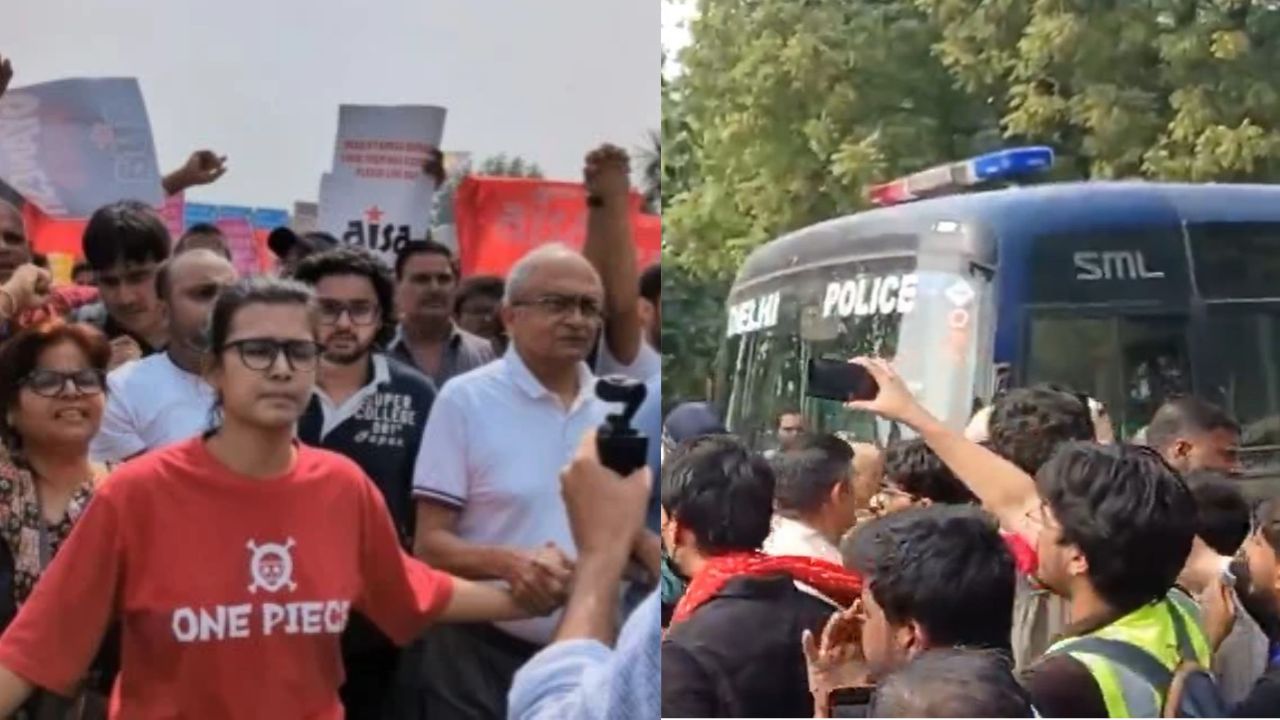
The controversy has also drawn attention to Neha Bora, the 28-year-old national president of the All India Students’ Association (AISA) and a PhD scholar at Jawaharlal Nehru University. Bora was reportedly detained during the protest mobilisation after joining activist Yogendra Yadav and senior lawyer Prashant Bhushan in a march from Jor Bagh towards Dilli Haat-INA.
The developments have put the spotlight on two connected questions: the opposition’s demand for accountability over electoral-roll revision and the authorities’ handling of demonstrations critical of the Election Commission.
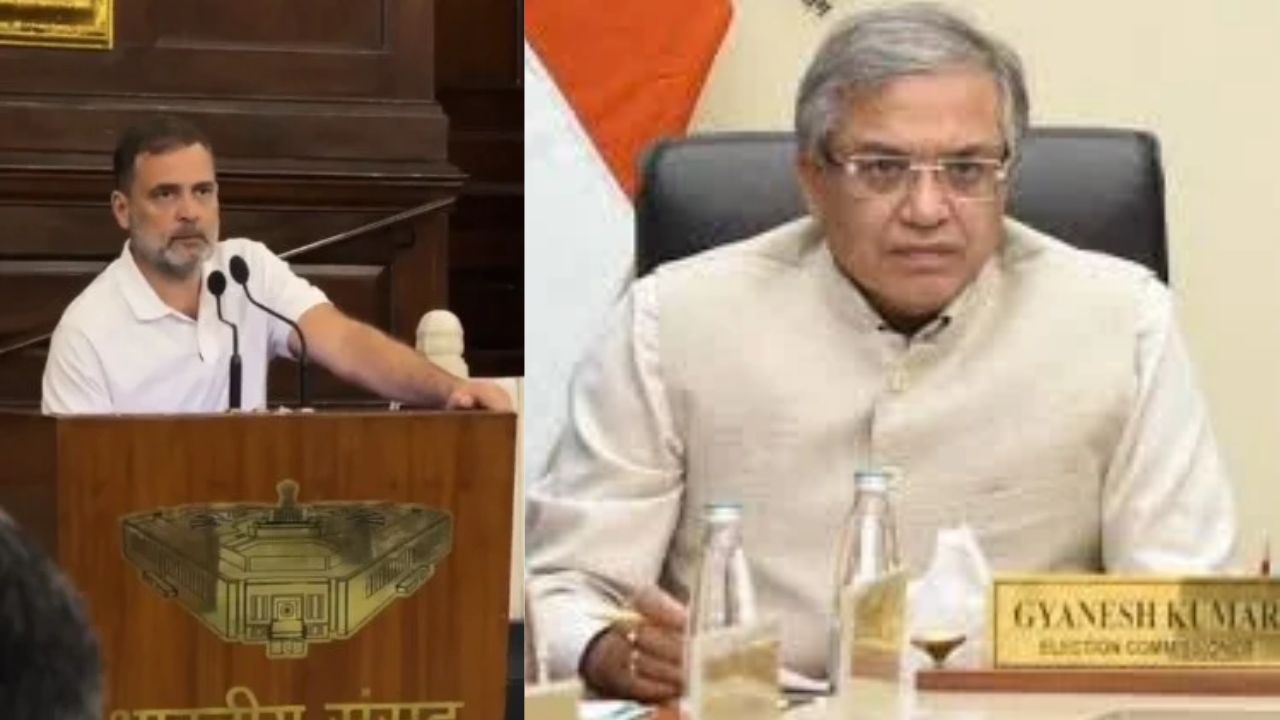
Reports said Mamata Banerjee and Derek O’Brien were among TMC leaders detained in Delhi as opposition figures sought to raise concerns over the Special Intensive Revision (SIR) of electoral rolls and demand action against Chief Election Commissioner Gyanesh Kumar.
The reported detentions came after Banerjee travelled to the national capital amid the wider opposition mobilisation. She had previously indicated support for the protest and raised allegations concerning the SIR exercise and electoral practices.
The precise circumstances of the reported detention, the legal grounds cited by police and the latest status of the TMC leaders should be confirmed through official statements. The development, however, adds a significant political dimension to the wider confrontation over the proposed CJP demonstration.
Bora’s reported detention has revived a message she delivered on Friday, October 9, a day before the planned Jantar Mantar demonstration. She had urged people travelling to Delhi to continue the agitation even if the organisers were arrested.
The AISA president argued that a movement should not depend on a small group of leaders and called on supporters to take responsibility if the organisers were detained. Her message has gained fresh relevance as several political figures and activists have reportedly been taken into custody during the latest mobilisation.
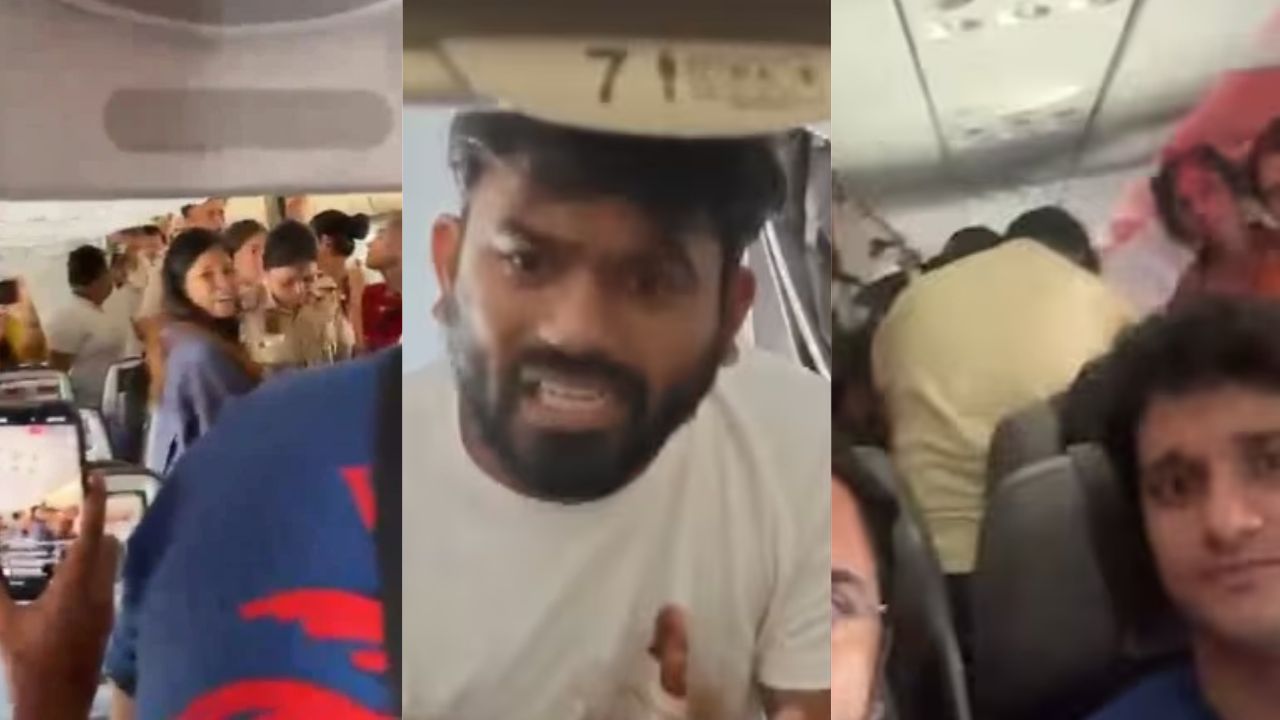
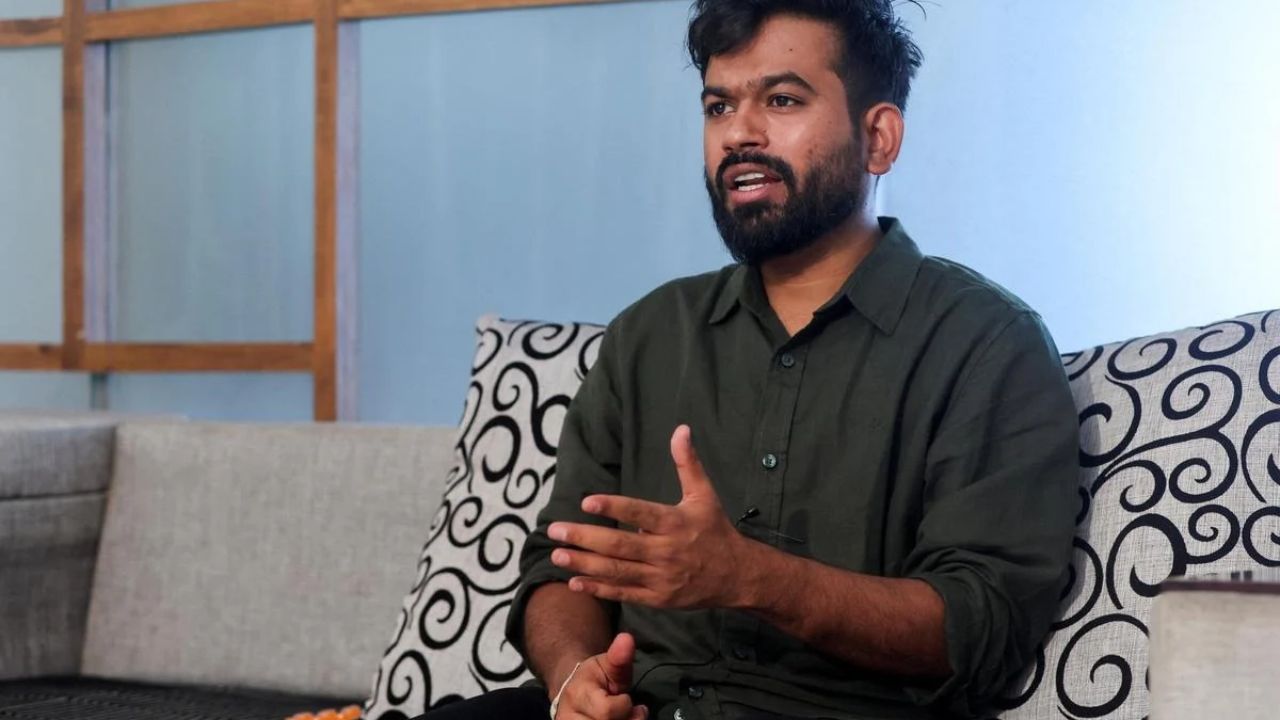
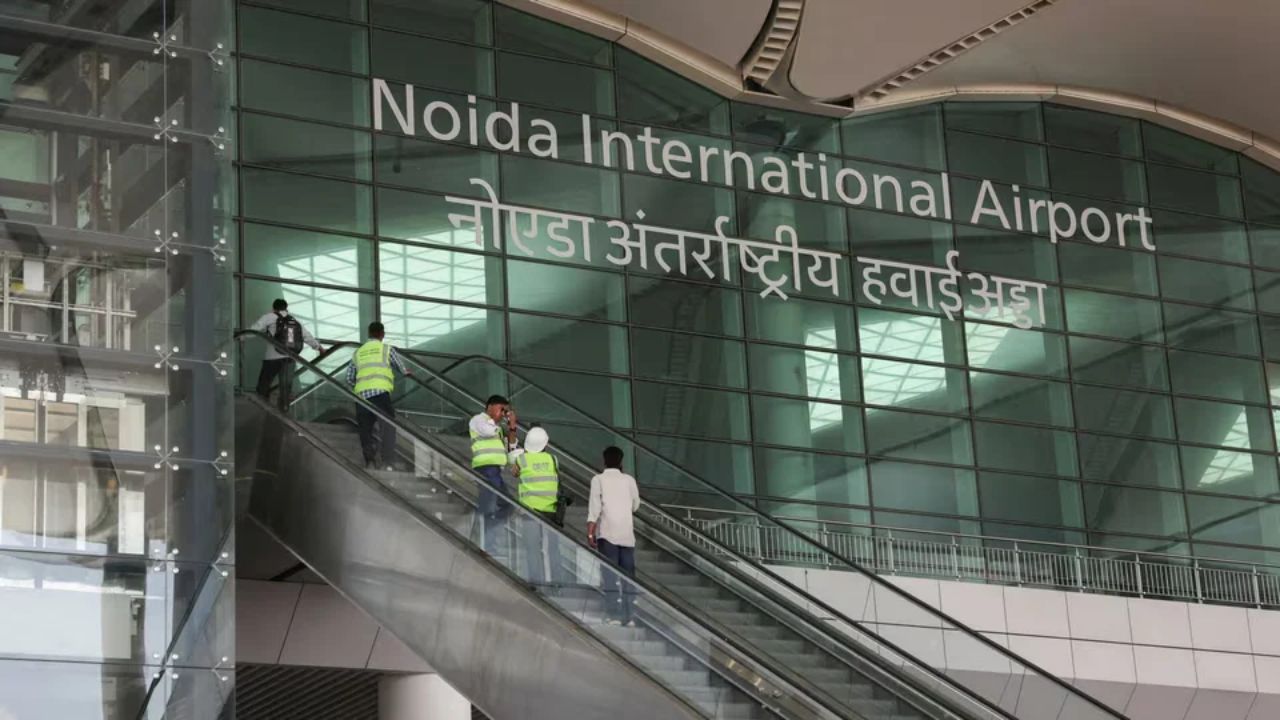
Before her detention, Bora joined Yogendra Yadav and Prashant Bhushan in a march from Jor Bagh towards Dilli Haat-INA. The march unfolded as CJP founder Abhijeet Dipke and party leaders Saurav Das and Ashutosh Ranka remained in police custody after being detained shortly after arriving at Delhi’s Indira Gandhi International Airport from Mumbai, according to reports.
The sequence of events has turned the protest into a broader confrontation involving political parties, student organisations and civil society activists.
In her Friday message, Bora alleged that protest organisers were facing house arrests and that police personnel were searching for people involved in the demonstration. She also referred to reported transport restrictions and extensive security deployments in Delhi.
Bora compared the mobilisation with the Quit India Movement of 1942, arguing that the arrest of prominent leaders had not stopped the freedom struggle. She urged protesters to continue raising their demands even if they were prevented from reaching the planned venue.
She also called for sit-ins at locations where demonstrators were stopped, including railway and metro stations, while pressing for the rollback of SIR and the resignation of Chief Election Commissioner Gyanesh Kumar.
Her remarks reflected the determination of organisers to sustain the agitation despite the possibility of arrests. However, her claims about restrictions and police action should be understood as her allegations unless independently established.
The CJP’s planned “Jantar Mantar 2.0” demonstration was called to demand the resignation of Chief Election Commissioner Gyanesh Kumar and the rollback of the Special Intensive Revision of electoral rolls.
The SIR process is intended to review and update voter lists, but it has become the subject of political controversy. Critics have alleged irregularities and raised concerns about the possible exclusion of eligible voters. The allegations require evidence-based examination and should not be treated as proven solely on the basis of political claims.
The Election Commission’s explanations, official records and any response to specific allegations remain important to assessing the dispute. At the centre of the political confrontation is the demand for transparency in electoral administration and accountability from the country’s poll authorities.
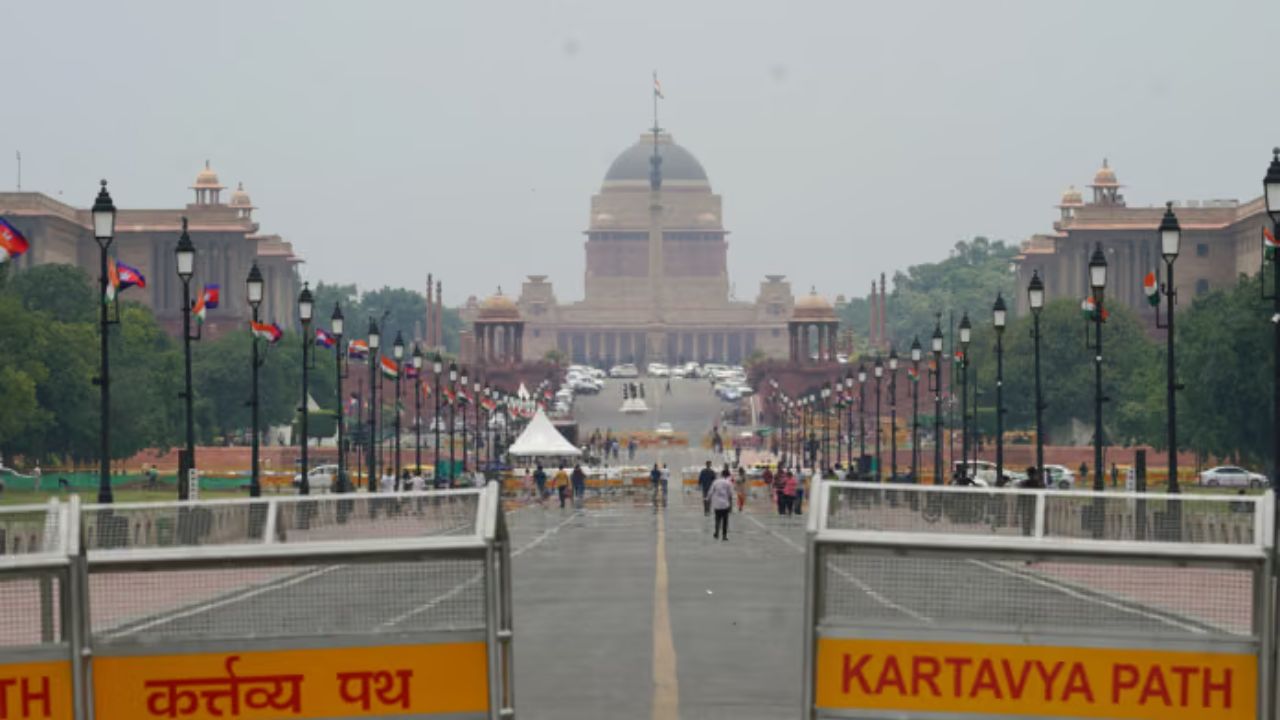
Authorities had stepped up security ahead of the proposed demonstration after denying permission for the gathering at Jantar Mantar. Reports described extensive police deployments, barricades, movement restrictions and detentions intended to prevent unauthorised gatherings.
The measures have also raised concerns about the impact on ordinary residents. Road diversions, restrictions around transport facilities and security checks can disrupt commuting, access to public spaces and daily business, particularly in central Delhi.
For demonstrators, the key issue is whether they can assemble peacefully and express their demands. For the police, the stated responsibility is to maintain public order. The circumstances of each detention, the legal basis for restrictions and the proportionality of the measures are therefore central to the debate.
The reported detention of Mamata Banerjee and TMC leaders, alongside action against Neha Bora and CJP organisers, has widened the political significance of the protest. What began as a demonstration over the SIR process has become a larger debate over dissent, public order and the right to peaceful assembly.
Opposition leaders and activists have questioned the restrictions, while authorities have maintained a heightened security posture around the planned event. The competing claims underline the need for clear official communication about the reasons for detentions and the conditions under which protesters may exercise their rights.