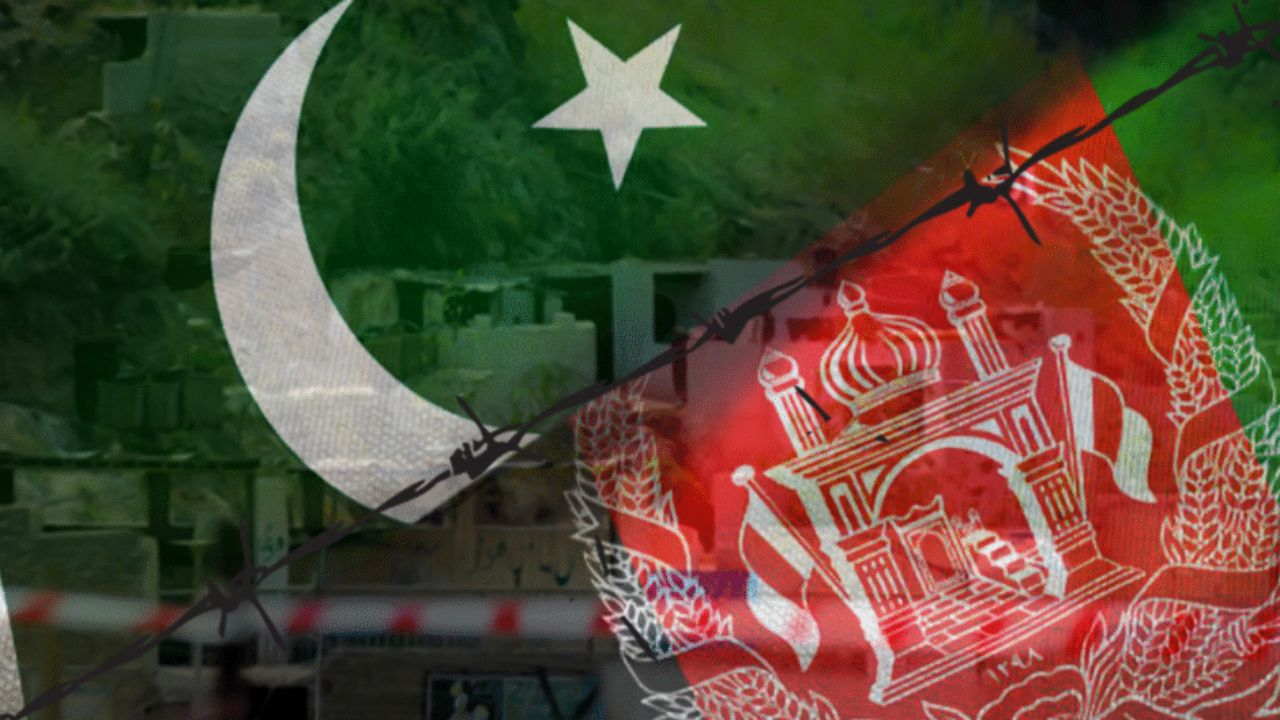
Tensions between Pakistan and the Afghan Taliban have further escalated
Islamabad: Tensions between Pakistan and the Afghan Taliban have sharply escalated, marking a dramatic shift from decades of close ties to open hostilities.
The latest flashpoint came after Pakistan carried out airstrikes in Kabul, with the Taliban alleging heavy civilian casualties. Islamabad, however, maintained that the strikes targeted militant infrastructure.
India condemns Pakistan airstrike on Kabul hospital; Calls it “Cowardly”
Pakistan had long supported the Taliban, dating back to the 1990s, viewing the group as a strategic ally in the region. When the Taliban returned to power in 2021, then Prime Minister Imran Khan welcomed the development. However, relations began to deteriorate soon after, as security concerns mounted on the Pakistani side.
A major source of tension is Pakistan’s allegation that the Tehreek-e-Taliban Pakistan (TTP) operates from Afghan territory. Islamabad claims that TTP fighters and Baloch insurgents have used Afghanistan as a base to launch attacks.
The Taliban leadership has denied these accusations, instead accusing Pakistan of harbouring elements linked to extremist groups hostile to Afghanistan.
The relationship has been further strained by repeated cross-border clashes, airstrikes, and disruptions along the frontier. A fragile ceasefire brokered with the help of regional players failed to hold, leading to renewed hostilities.
Recent Pakistani strikes followed a surge in attacks on its security forces, which Islamabad attributes to militants operating from across the border.
Pakistani officials cited “credible evidence” linking recent suicide attacks and violence within the country to militants based in Afghanistan. These developments have contributed to what Pakistan’s leadership has described as an “open war-like situation.”
Despite the Taliban’s control over Afghanistan, there remains a significant gap in military strength between the two sides. Pakistan possesses a far larger and more advanced military, including air power and heavy equipment.
200 Killed in Kabul Hospital Strike? Afghanistan Blames Pakistan, Islamabad Rejects Charge
Analysts suggest that Pakistan may intensify its operations, while the Taliban could respond with guerrilla-style tactics along the border.
The renewed conflict comes amid broader instability in the region, including tensions involving the United States and Iran. Efforts by countries like China to de-escalate the situation have so far yielded limited results.
As mistrust deepens, the shift from strategic partnership to confrontation between Pakistan and the Taliban signals a volatile phase for regional security.

