 English
 English
How will Germany’s investment of EUR 1.3 billion in India through the Green and Sustainable Development Partnership drive climate action, sustainable urban mobility, renewable energy skills, and a greener future for both nations.
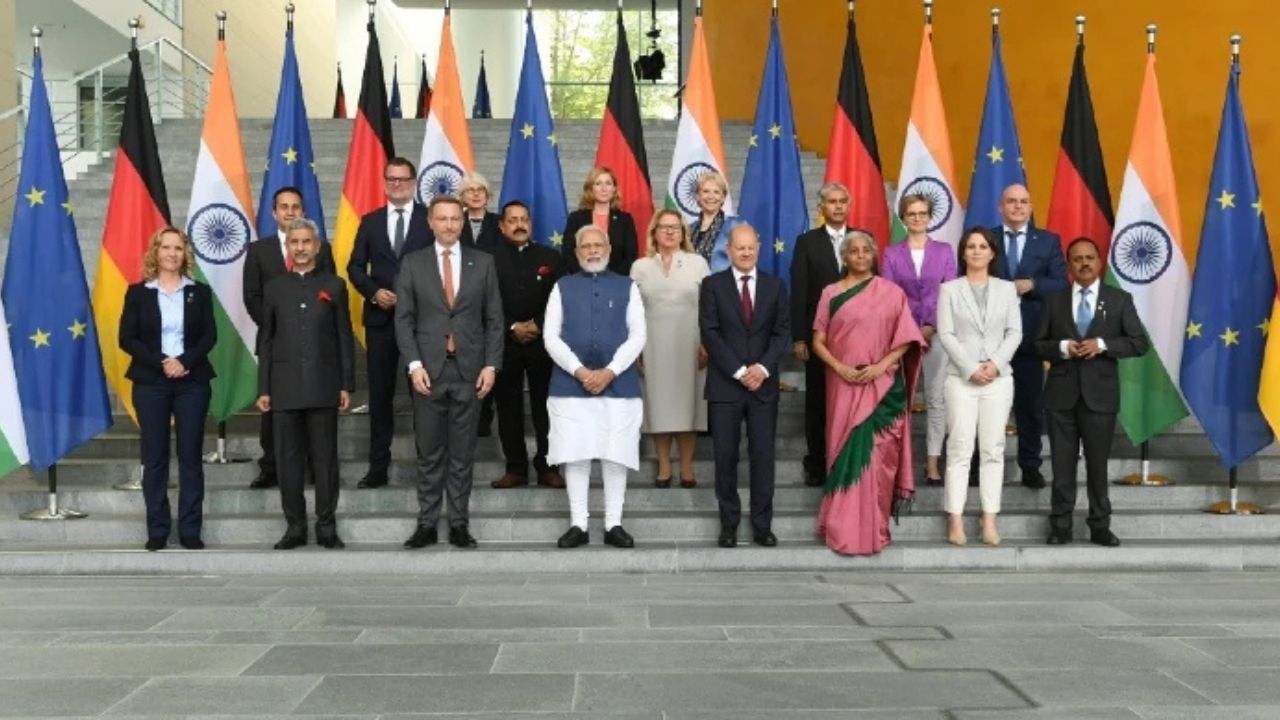
India, Germany join hands for Green and Sustainable Development.
New Delhi: Germany has pledged investments worth EUR 1.3 billion, approximately Rs 13,650 crore, in India as part of the Green and Sustainable Development Partnership or GSDP, a strategic cooperation framework between the two countries focused on climate action and sustainable development. The announcement was made through a release by the German Embassy in New Delhi and underscores the deepening bilateral collaboration in areas critical to environmental sustainability and inclusive growth.
The investment will support multiple key sectors, including climate and energy initiatives, sustainable urban development, green urban mobility, and the management of natural resources. Germany’s commitment also includes concessional loans to drive innovative solutions in these areas, highlighting the shared ambition of both nations to advance green and climate-resilient infrastructure.
As part of GSDP cooperation, Germany and India will work closely to enhance skills development, particularly for the renewable energy sector. This will ensure that India has the human resource capacity to implement and maintain sustainable technologies at scale.
The partnership also targets advanced climate mitigation and adaptation strategies, strengthening clean and secure energy systems, expanding sustainable and inclusive urban mobility, and promoting the sustainable management of ecosystems. By focusing on these areas, GSDP aims to contribute directly to the Sustainable Development Goals and the objectives of the Paris Climate Agreement.
India-Canada to resume CEPA talks; Aim for 50 billion USD in bilateral trade by 2030
Christine Toetzke, Director General for Asia, Latin America, Middle East, Eastern and South Eastern Europe at the German Federal Ministry for Economic Cooperation and Development, emphasized that India remains a major strategic partner under the new German government. She expressed confidence that projects committed under the partnership would help both nations pursue sustainable prosperity and jointly tackle global challenges.
Philipp Ackermann, German Ambassador to India and Bhutan, highlighted the distinctiveness of the GSDP partnership, stating that Germany has no comparable collaboration with any other country. He praised the scale, ambition, and equal collaboration spirit that makes the Indo-German GSDP a unique model of bilateral cooperation.
India-Russia announce joint manufacturing of military parts under ‘Make-In-India’
Several initiatives have already taken shape under the Indo-German Green Urban Mobility Partnership for All:
Yellow Line Metro in Bangalore: Supported by a €340 million KfW loan, this project is expected to create 25,000 jobs and significantly reduce emissions in the city.
Living Lab in Bangalore: Demonstrates climate-smart innovation through collaborations with partners like Bosch and Nunam.
India’s First Rooftop Solar-Powered EV Charging Station: Initially implemented in Bangalore, the project is expanding to Surat to support public e-bus fleets.
Accessibility Innovations: Projects such as OnBoard from IIT Delhi and RampMyCity focus on inclusive urban mobility, ensuring equitable access for all citizens.
Launched in 2022, the Indo-German Partnership for Green and Sustainable Development is a strategic framework designed to foster sustainable, climate-aligned solutions. The partnership emphasizes innovation, knowledge sharing, and collaborative investment to advance India’s climate goals while reinforcing Germany’s commitment to global sustainability.