 English
 English

Plan includes technology transfer and local joint ventures for defence production.
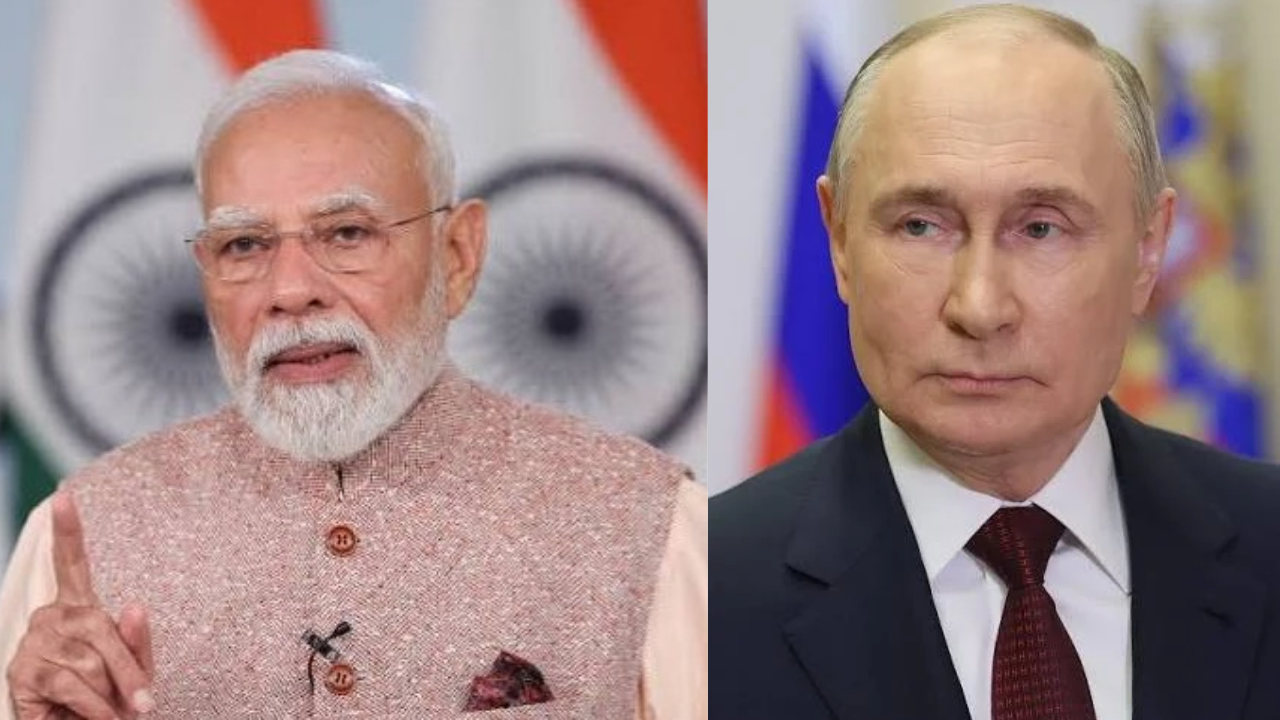
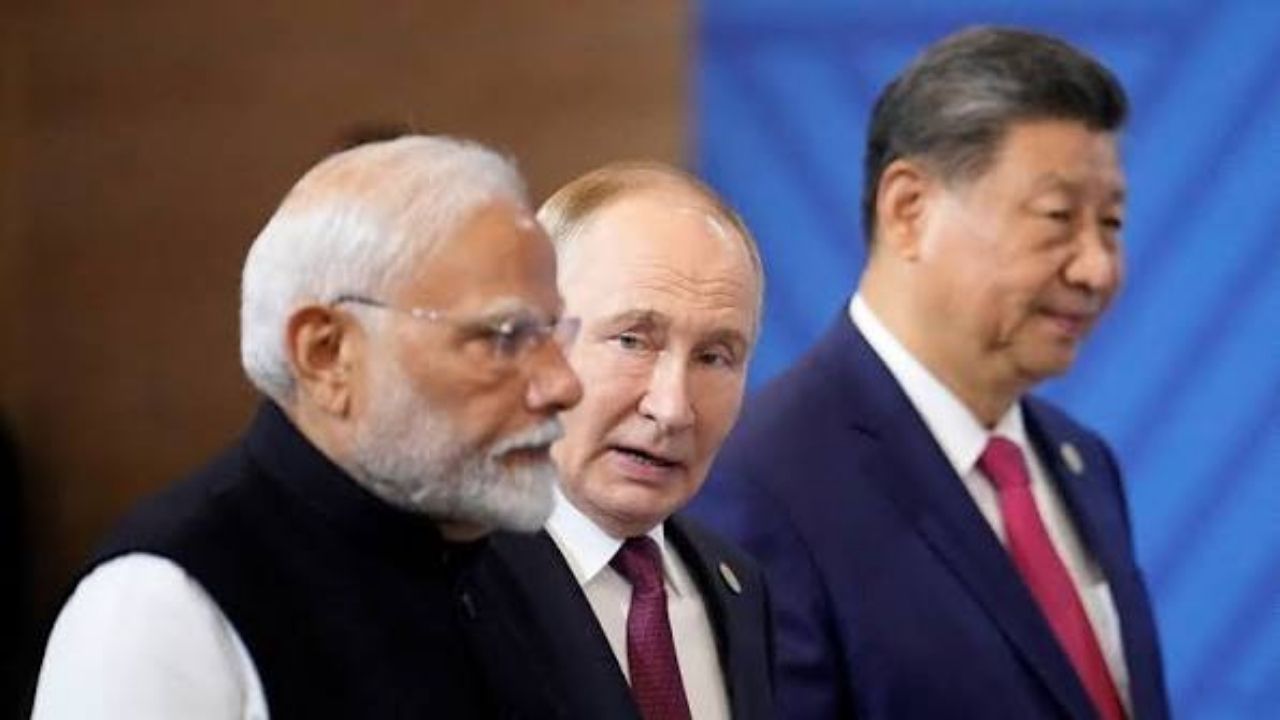
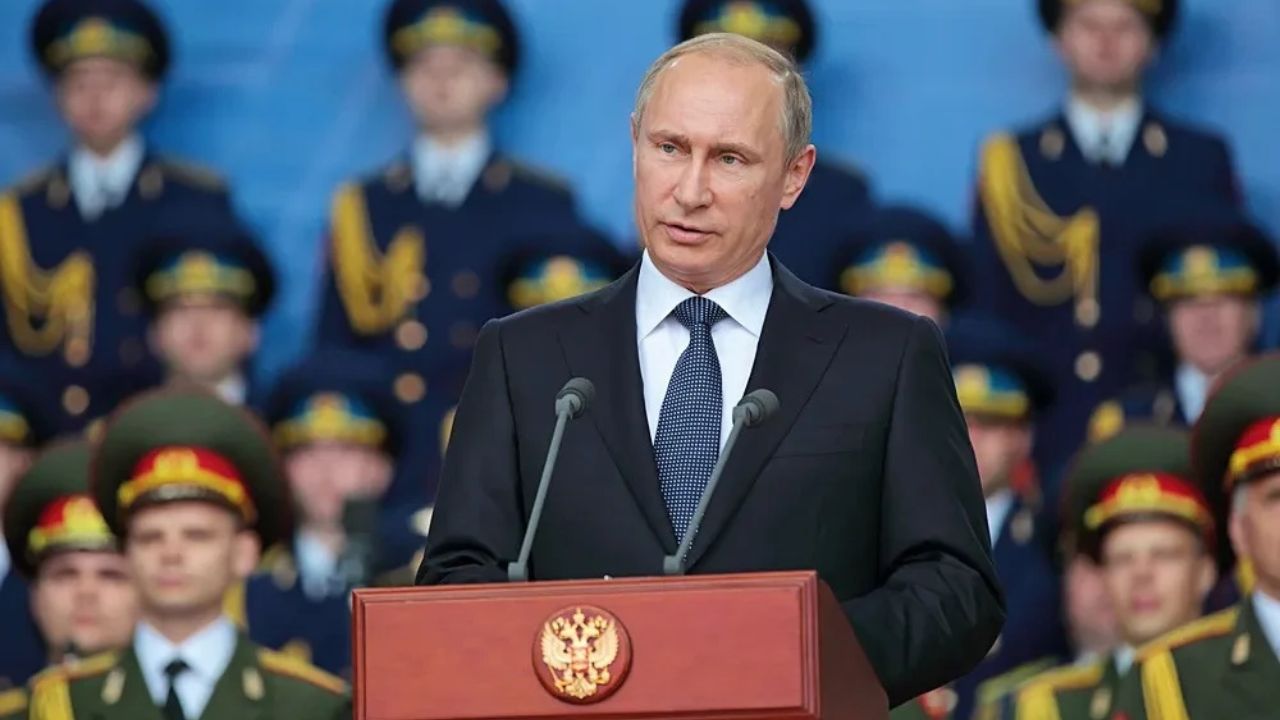
New Delhi: India and Russia strengthened their strategic defence partnership with a landmark decision to jointly manufacture military parts and equipment in India under the 'Make in India' initiative. The agreement was formalised following high level summit talks between Prime Minister Narendra Modi and Russian President Vladimir Putin on Friday, a conversation that placed defence cooperation at the heart of bilateral priorities.
The development is seen as a major push towards self sufficiency in defence repair and maintenance something the armed forces have long demanded. For years the supply of essential spare parts for Russian origin systems has often been delayed affecting operational serviceability. With production shifting into Indian facilities access to components is expected to become far faster and more reliable ensuring smoother upkeep of existing military platforms.
Under the new plan India and Russia will collaborate on manufacturing spare parts aggregates components and hardware for Russian designed fighter aircraft tanks missile systems and other weapon platforms currently in Indian use. The effort will operate under Make in India with Russia agreeing to support technology transfer and facilitate local manufacturing capabilities.
PM Modi raises concern of Indians serving in Russian army with Putin: Foreign Ministry
Joint ventures will be established not only for domestic military requirements but also for export to friendly countries giving India an opportunity to enter the global defence supply chain with Russian backed optics and engineering. The partnership is also being refocused toward co development and co production of next generation technologies strengthening long term equipment modernization.
Defence Minister Rajnath Singh and his Russian counterpart Andrey Belousov also met ahead of the Summit, expressing intent to widen the defence scope and accelerate production cooperation.
India has shown interest in procuring additional units of the S400 air defence system to strengthen long range air defence coverage. The S400 is one of the most advanced anti aircraft systems in the world and three squadrons have already been inducted into Indian formations.
From Jhol Momo to Dal Tadka: What did Putin relish at dinner in Rashtrapati Bhavan?
New discussions may also bring the next generation S500 anti missile system into consideration opening doors for deeper capability sharing between the two nations. The earlier USD 5 billion agreement for S400 purchase went ahead despite US sanctions pressure under CAATSA highlighting Indias strong strategic autonomy.
Beyond defence both countries discussed strengthening their financial cooperation. India and Russia will continue developing trade settlement systems using national currencies to reduce dollar dependence. Work will continue on linking payment infrastructure digital currency systems and secure messaging channels for smoother financial integration.
Negotiations toward a Free Trade Agreement between India and the Eurasian Economic Union were also reviewed. Such a pact would reduce tariffs across sectors and widen investment opportunities. Modi and Putin directed teams to speed up the investment promotion agreement as well paving the way for stronger economic presence and protection of cross border projects.
Both sides welcomed cooperation in agriculture and fertilisers an area crucial for Indian food production needs. Long term supply agreements for fertilisers were acknowledged and discussions pointed at future joint ventures to stabilise pricing and availability.
With defence production shifting into Indian assembly lines and future missile systems under review, the India Russia partnership stands at a new frontier. A long standing military relationship may now transition into one of shared production innovation and export capability laying the foundation for a more self reliant defence future.