English
 English
India has suggested a preferential trade agreement with Mexico to counteract steep import duties on Indian goods, aiming to protect exporters, maintain supply chains, and foster a balanced trade relationship between the two countries.
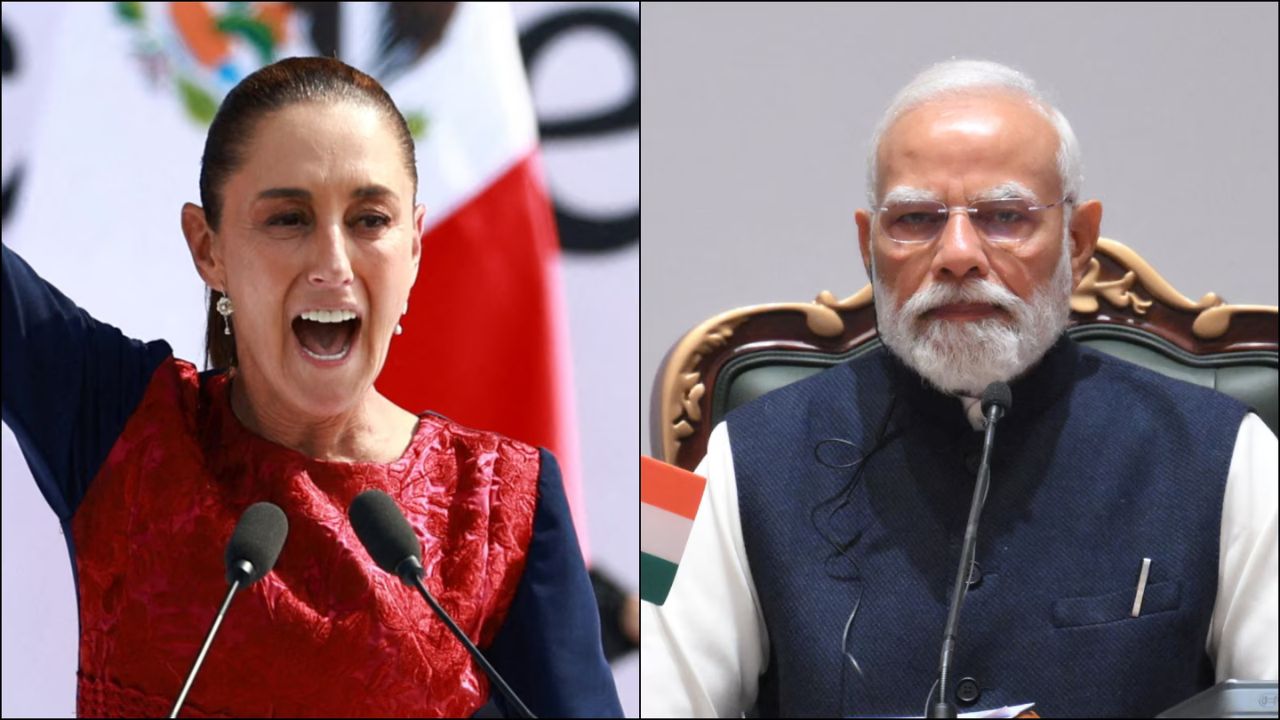
Mexico to impose 5 to 50% tariffs on 1,455 product lines.
New Delhi: India has proposed a preferential trade agreement with Mexico to help domestic exporters cope with recently announced high import duties. Mexico plans to impose tariffs ranging from five to fifty percent on over fourteen hundred products from countries without free trade agreements, including India. This move has prompted India to explore immediate measures to safeguard its export interests.
The Mexican government has approved higher most favoured nation import tariffs on fifteen hundred product categories, effective January first, twenty twenty six. These tariffs target non-FTA partners within the World Trade Organisation framework and are primarily aimed at supporting local production while curbing Chinese imports. The decision does not violate global trade rules, and affected countries cannot formally challenge the measure under WTO regulations.
Commerce Secretary Rajesh Agrawal noted that technical discussions are underway between India and Mexico. While free trade agreements involve extensive negotiations and cover a broad range of goods, a preferential trade agreement allows for tariff reductions on selected products. India believes a PTA is a practical, quicker alternative to help exporters maintain competitiveness while continuing dialogue for long-term trade cooperation.
India-Canada to resume CEPA talks; Aim for 50 billion USD in bilateral trade by 2030
Preliminary estimates suggest India’s exports to Mexico, valued around two billion US dollars, will face significant challenges. Key affected sectors include automobiles, two-wheelers, auto parts, textiles, iron and steel, plastics, leather, and footwear. The steep duties are expected to increase costs for Indian exporters, potentially disrupting supply chains that have been established over several years.
India-Mexico merchandise trade reached eight point seven four billion US dollars in twenty twenty four, with exports of five point seven three billion and imports of three point zero one billion. This resulted in a trade surplus of two point seven two billion for India. The current tariff changes threaten to alter the balance and competitiveness of Indian exports in the Mexican market.
Federation of Indian Export Organisations Director General Ajay Sahai described Mexico’s tariff hike as a major concern for sectors like automobiles, auto components, machinery, electrical and electronics, pharmaceuticals, textiles, plastics, and organic chemicals. Industry bodies warn that rising duties could increase production costs, reduce competitiveness, and disrupt supply chains across multiple industries.
India-US Relations Hit New Low Amid Trade, Diplomacy, and Geopolitical Tensions
Domestic auto component manufacturers are expected to experience higher cost pressures following Mexico’s tariff revision. The Automotive Component Manufacturers Association of India highlighted that increased duties will affect pricing and supply chain efficiency, underlining the urgency for India and Mexico to explore a formal trade agreement.
The Indian government has been actively reviewing Mexico’s tariff revisions, consulting stakeholders, and engaging in constructive dialogue to protect exporter interests. Officials aim to ensure a stable trade environment that benefits businesses and consumers in both countries, while exploring options to secure concessions for Indian products under a PTA framework.