English
 English

EU announces fresh sanctions on oil traders and shipping networks.
Brussels: The European Union has rolled out a new set of sanctions aimed at individuals and companies allegedly involved in facilitating Russian oil exports despite existing restrictions. The latest measures focus on oil traders and shipping networks accused of helping Moscow sustain crude sales that continue to finance its military campaign in Ukraine. European authorities say the move is part of a broader effort to tighten enforcement and close loopholes exploited since earlier sanctions were introduced.
With this latest action, the EU has now implemented nineteen rounds of sanctions since the start of the conflict, targeting key sectors of the Russian economy, including energy, finance and logistics.
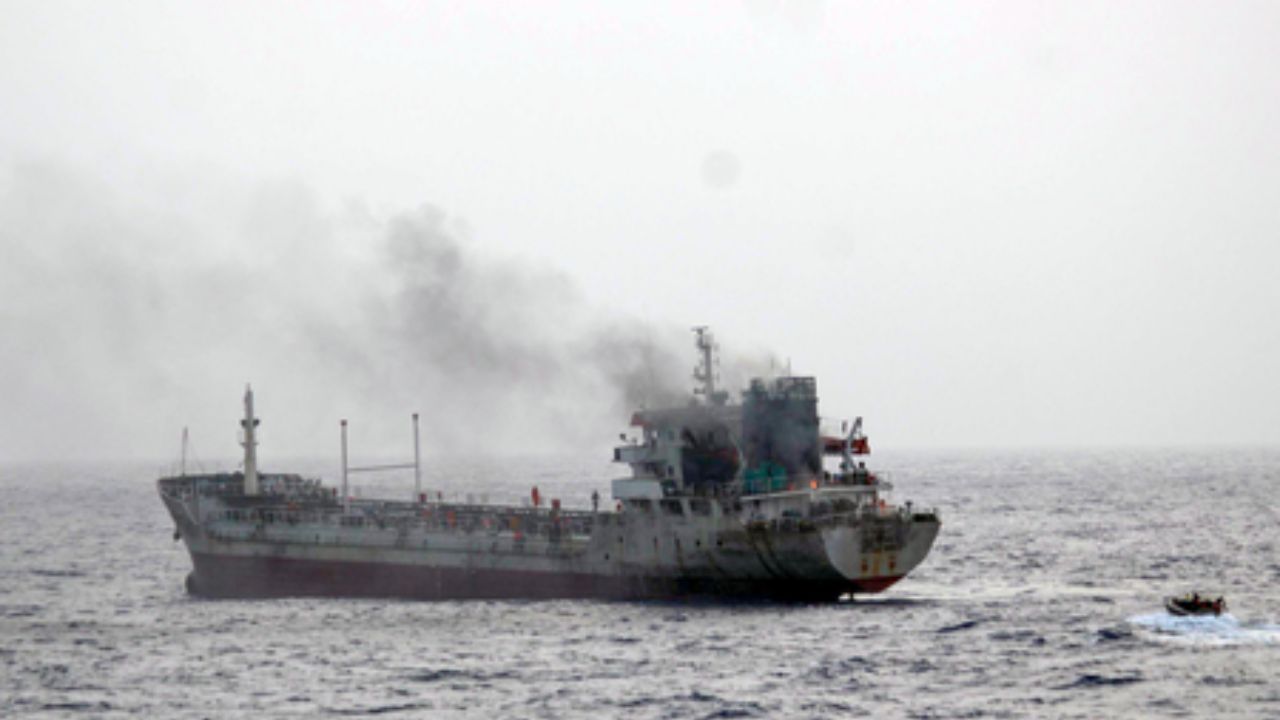
A key concern behind the new sanctions is the continued use of a shadow fleet of oil tankers operating outside mainstream Western shipping and insurance systems. These vessels have allowed Russia to export millions of barrels of crude oil, mainly to Asian markets, often at discounted prices. By avoiding traditional maritime oversight, these ships have played a central role in keeping Russian oil flowing despite international pressure.
European officials believe restricting access to shipping services and insurance will make it harder for these operations to function smoothly.
Ukraine carries out 1st underwater drone strike on Russian submarine; What happens next?
Under the new measures, EU citizens and companies are prohibited from doing business with the listed individuals and entities. This significantly limits their access to European financial systems, maritime services and insurance providers. In total, more than two thousand six hundred individuals and companies have now been sanctioned by the bloc.
Officials say the sanctions are designed to disrupt networks that connect oil traders, shipping firms and state linked energy companies, making it increasingly difficult to move Russian crude through informal channels.
Among those targeted is oil trader Murtaza Lakhani, who runs the trading company Mercantile and Maritime. European authorities allege that companies under his control have enabled shipments of Russian oil, including supplies linked to state owned energy giant Rosneft. According to the sanctions listing, vessels connected to these firms have transported crude oil and petroleum products originating from Russia.
Lakhani operates a mid sized trading group with offices in Singapore and London and has decades of experience in global oil markets.
Trump Warns Russia-Ukraine War Could Spark World War III, Calls for Immediate Action
Lakhani began his career at a major international trading house and later became involved in oil exports from Iraq and the Kurdistan region. During that period, he played a role in facilitating oil and gas deals involving Russian energy companies. His association with Rosneft expanded over the years, including participation in large scale energy projects and public appearances alongside senior Russian executives.
European authorities say such relationships strengthened commercial channels that later supported Russian oil exports under sanctions pressure.
The EU has also imposed sanctions on individuals connected to other oil trading businesses with historical links to Russian supply chains. These include figures associated with Lukoil trading subsidiaries and shipping management firms based in the Middle East. Authorities allege these entities provided logistical and managerial support to tanker operations moving Russian oil.
Several individuals linked to a trading firm formerly known as Coral Energy were also listed due to their past involvement in Russian crude trading activities.
Analysts expect further action in the coming days, with the EU likely to sanction dozens more vessels suspected of operating within Russia’s shadow fleet. If implemented, the total number of sanctioned ships could rise to around six hundred, significantly expanding the scope of enforcement.
European officials say the goal is not only to punish past violations but to deter future attempts to bypass restrictions through alternative shipping and trading arrangements.