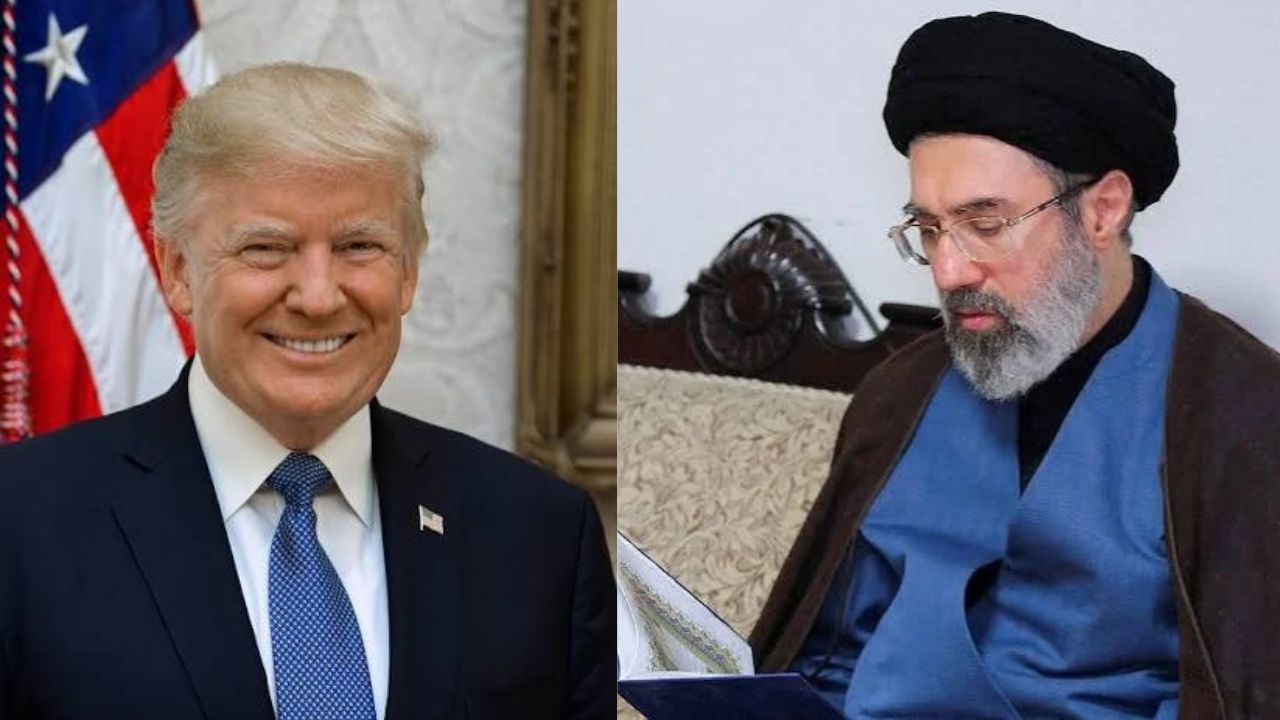
Tensions between Iran and the United States have reached a new flashpoint after Tehran issued a strong warning against Washington’s plan to impose unprecedented economic sanctions.
Tehran: Tensions between Iran and the United States reached a new flashpoint on Friday after Tehran issued a strong warning against Washington’s plan to impose unprecedented economic sanctions. The latest escalation has triggered global concerns over energy markets, regional security and the future of diplomatic efforts between the two countries.
Iran has warned that any fresh pressure campaign by the Donald Trump administration would face a powerful response, while Washington has threatened severe economic consequences against Iran and countries continuing business ties with Tehran.
The long-running confrontation between Iran and the United States intensified after Washington announced plans for what it described as the toughest economic sanctions campaign ever against Tehran. US Treasury Secretary Scott Bessent indicated that the administration would soon reveal details of a new sanctions package aimed at increasing financial pressure on Iran.
The strategy is part of Washington’s broader effort to restrict Iran’s economic activities, limit oil revenues and isolate Tehran internationally. The Trump administration has warned that countries, companies and financial institutions providing support to Iran could also face economic consequences. The latest move has added fresh uncertainty to an already tense situation in the Middle East, where military tensions, diplomatic disputes and economic pressure have continued to shape regional politics.
Iran has strongly rejected the US sanctions threat and accused Washington of using economic pressure as a tool to weaken the country. Iranian military officials warned that the country’s armed forces remain prepared to respond across multiple areas, including land, sea, air defence and cyber operations.
Tehran’s leadership has maintained that any attempt to challenge Iran’s sovereignty or national interests would receive a strong response. Iranian officials have described the proposed sanctions as part of a broader economic and political confrontation, arguing that previous sanctions have failed to change the country’s policies.
The US has revived its maximum pressure approach against Iran, focusing on cutting financial networks, restricting trade channels and reducing Tehran’s ability to generate revenue through oil exports. Washington believes stronger economic restrictions could force Iran to reconsider its regional and international policies.
The Trump administration has also urged allies and other countries to reduce economic cooperation with Tehran. US officials have argued that the sanctions strategy is designed to avoid a wider military conflict by increasing economic pressure instead. However, critics have warned that aggressive sanctions could increase tensions and create new risks for regional security.
Iran’s government has criticised Washington’s latest move, accusing the US of using economic restrictions as a form of political warfare. Tehran has argued that decades of sanctions since the 1979 Islamic Revolution have not weakened the country’s political system.
Iranian officials have repeatedly said that the country has developed alternative economic strategies to deal with international restrictions, including expanding trade partnerships with friendly nations. The latest sanctions threat has once again brought the debate over economic pressure versus diplomacy into global focus.
The rising tensions between Washington and Tehran have created uncertainty in global energy markets. Oil traders are closely monitoring developments around the Strait of Hormuz, one of the world’s most important oil shipping routes. Any disruption in the region could affect global fuel supplies and increase energy prices.
Past conflicts involving Iran have raised concerns over shipping security, crude oil transportation and the impact on economies dependent on Middle Eastern energy supplies. The possibility of further restrictions on Iranian oil exports has increased fears of volatility in international markets.
The latest US sanctions strategy has also created a diplomatic challenge involving China. Beijing has criticised additional economic pressure on Tehran, arguing that sanctions cannot resolve international disputes and that diplomatic solutions are necessary. China remains one of Iran’s major trading partners and a key buyer of Iranian oil.
Washington has urged countries, including China, to cooperate with its pressure campaign against Tehran, but Beijing has maintained that negotiations and dialogue are the preferred path. The disagreement highlights the growing geopolitical competition between the United States and China over global trade, energy security and international influence.
The latest confrontation comes after several attempts to reduce tensions between Iran and the US failed to produce a lasting solution. Previous ceasefire efforts aimed at stabilising the region and restoring normal shipping activity could not prevent the conflict from continuing.
The prolonged crisis has affected regional security, diplomatic relations and international markets. Countries across the Middle East are closely watching the developments as any major escalation between Iran and the US could have wider consequences.
The tougher approach towards Iran comes at a time when the Trump administration is facing political pressure over economic issues, fuel prices and foreign policy decisions. The administration has argued that stronger sanctions can achieve strategic goals without launching a major military campaign. However, opponents of the policy believe excessive economic pressure could increase instability and push both sides closer to confrontation.
The debate over Iran policy remains a major political issue in Washington as the administration prepares to announce further measures. Any further escalation between Tehran and Washington could influence diplomatic negotiations, energy prices and security conditions across the Middle East. For now, the Iran-US standoff remains one of the world’s most closely watched geopolitical conflicts, with potential consequences reaching far beyond the region.

