English
 English

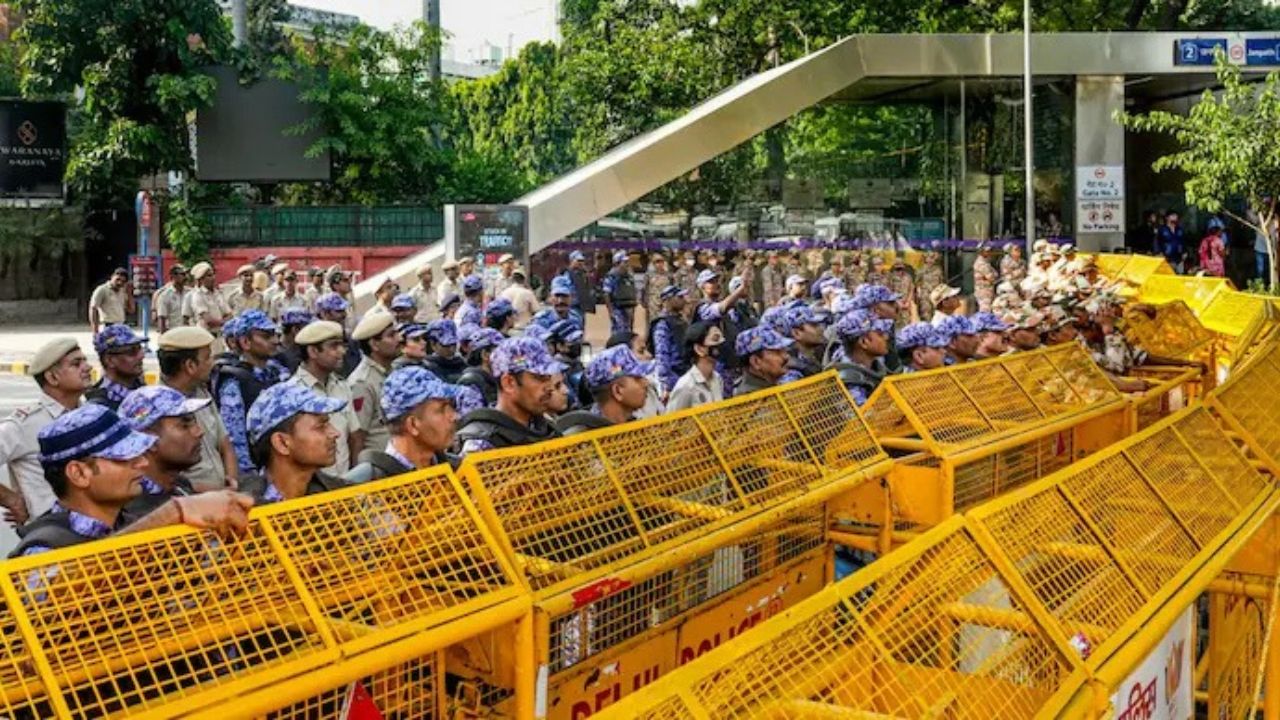
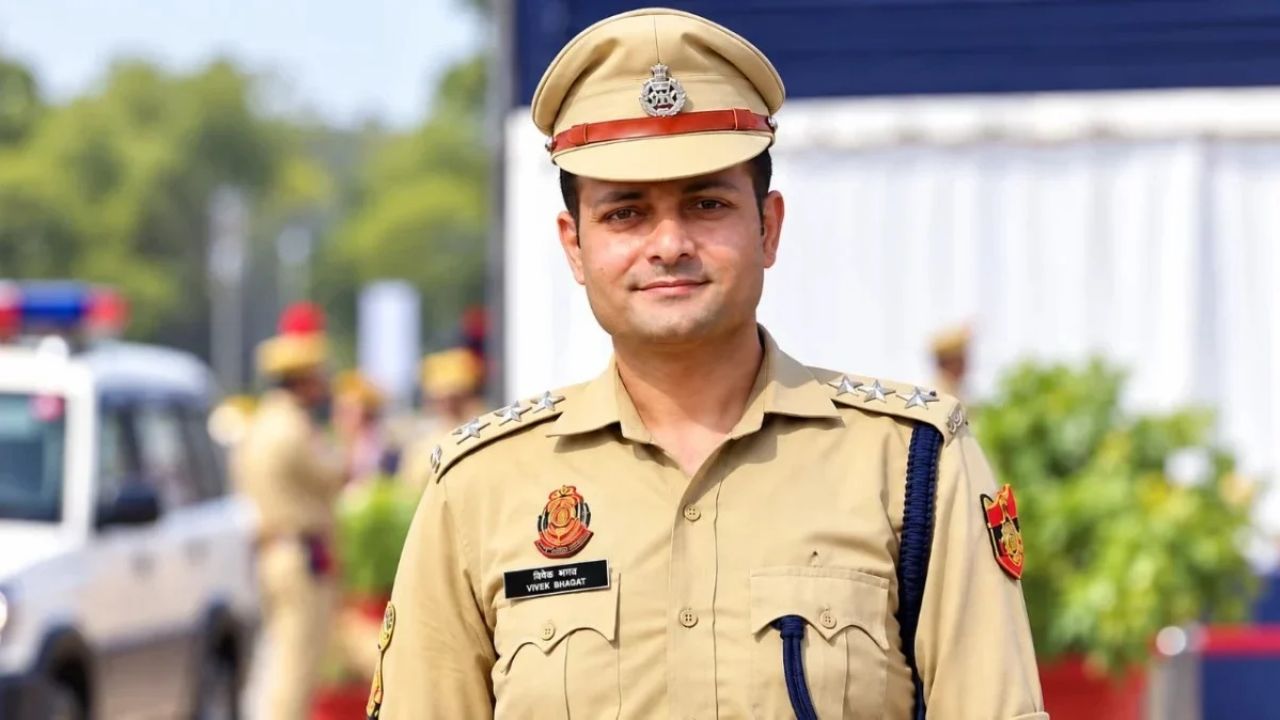
Behind the Uniform: Delhi Police Appeals for Empathy Amid Protest Tensions. (Img: X)
New Delhi: Delhi Police has issued an open letter to citizens, emphasising that public safety is its responsibility while appealing for greater understanding of the people working behind the uniform. The message comes amid heightened attention on protests in the national capital, the denial of permission for a proposed demonstration at Jantar Mantar and fresh guidelines for journalists covering public gatherings.
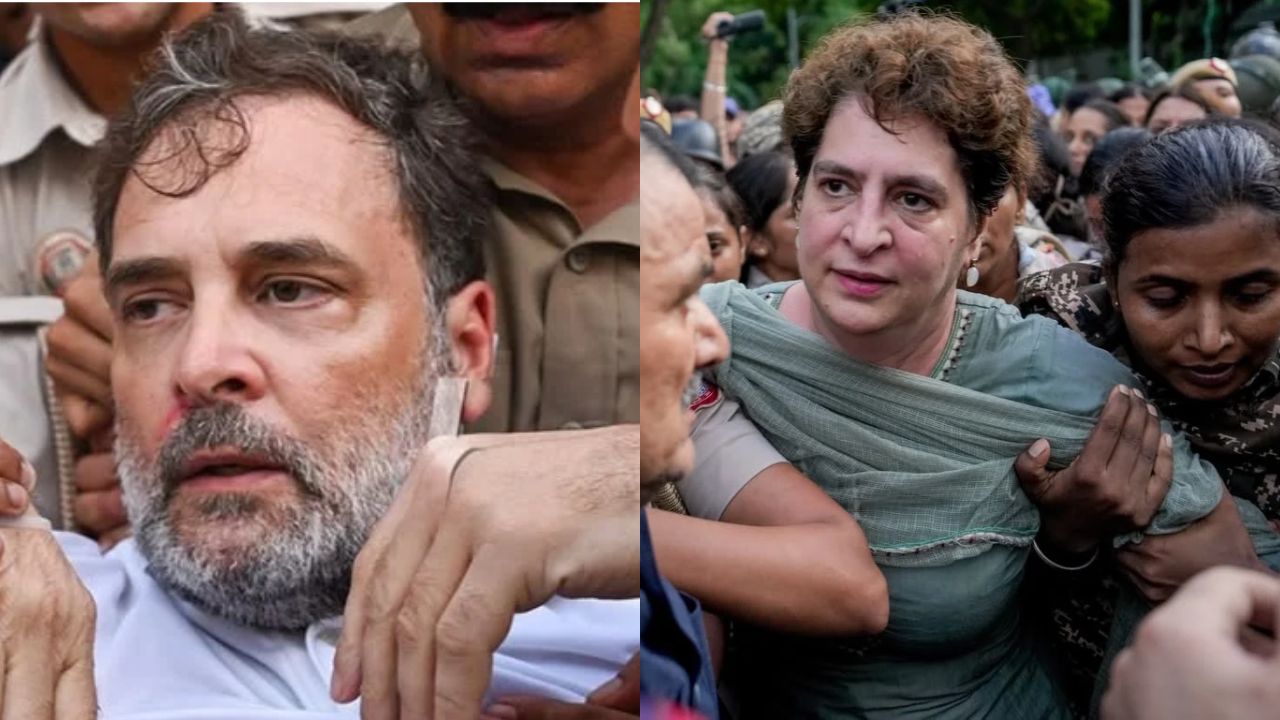
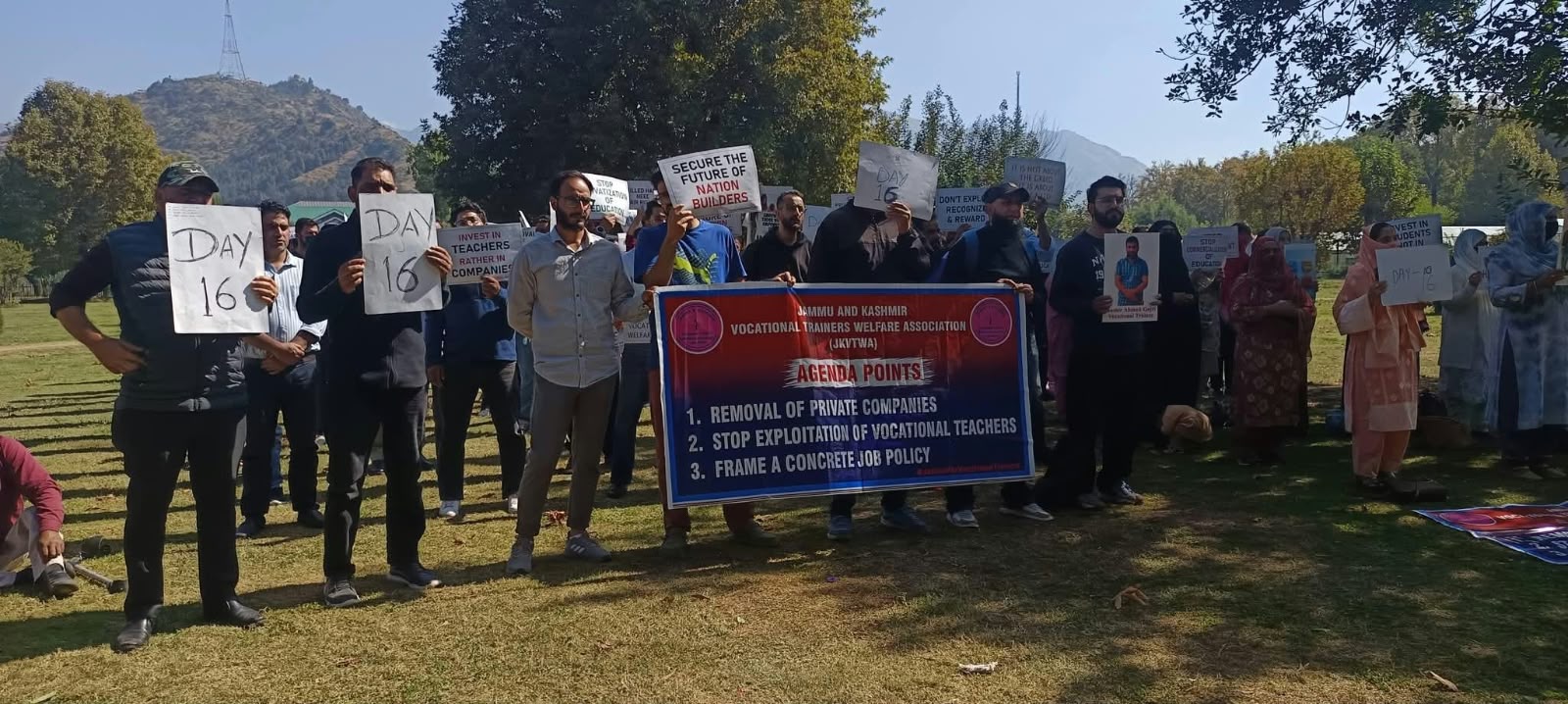
The appeal has brought the relationship between police personnel and protesters into focus, raising questions about how authorities can maintain law and order while protecting the right to peaceful expression. It also highlights the challenges faced by police officers and media personnel during tense situations in crowded parts of Delhi.
In its open letter, Delhi Police stressed that citizens have the right to raise their voices and that protecting their safety is a core responsibility of the force. The message also highlights that police officers have families, loved ones and personal lives beyond their official duties. The appeal encourages citizens to look beyond the uniform and recognise the human beings responsible for managing public gatherings, maintaining security and responding to difficult situations.
Police personnel deployed during demonstrations may have to manage large crowds, regulate traffic, maintain access to public areas and respond to rapidly changing circumstances. Such duties can become particularly challenging when tensions rise or disagreements escalate. The letter's emphasis on empathy adds a human dimension to the wider debate over protests, public safety and the responsibilities of law enforcement.
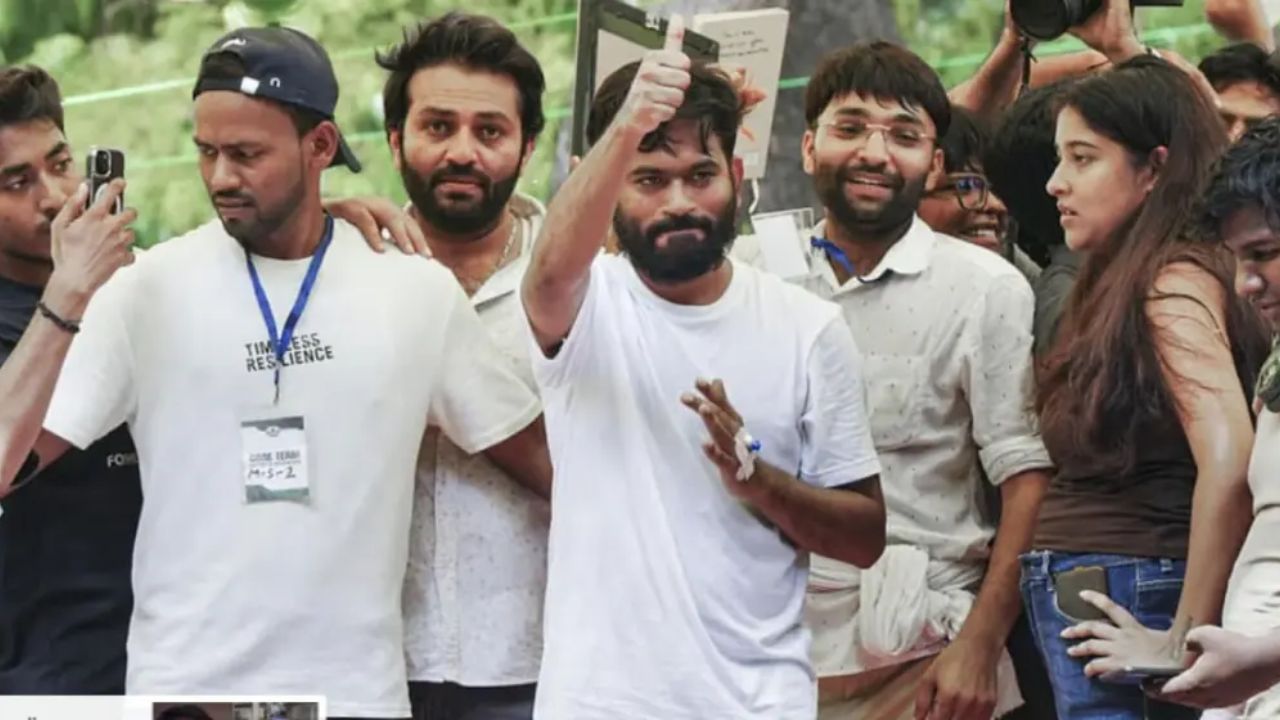
The open letter comes amid increased attention on protest-related developments in Delhi, including a proposed demonstration by the Cockroach Janata Party (CJP) at Jantar Mantar on October 10, 2026.
The party had sought permission to organise a protest demanding accountability from Chief Election Commissioner Gyanesh Kumar. However, Delhi Police denied permission, citing the short notice period, concerns over compliance with rules during an earlier demonstration and possible challenges involving public safety, traffic management and law and order.
The decision has drawn attention to the procedures governing demonstrations at designated protest sites in the national capital. Public gatherings require administrative planning to manage crowds, maintain traffic movement and ensure that security arrangements are in place.
Authorities must consider these factors while processing applications for protests and other public events. The police decision concerned permission for the proposed demonstration and does not, by itself, determine the merits of the issues the party intended to raise.
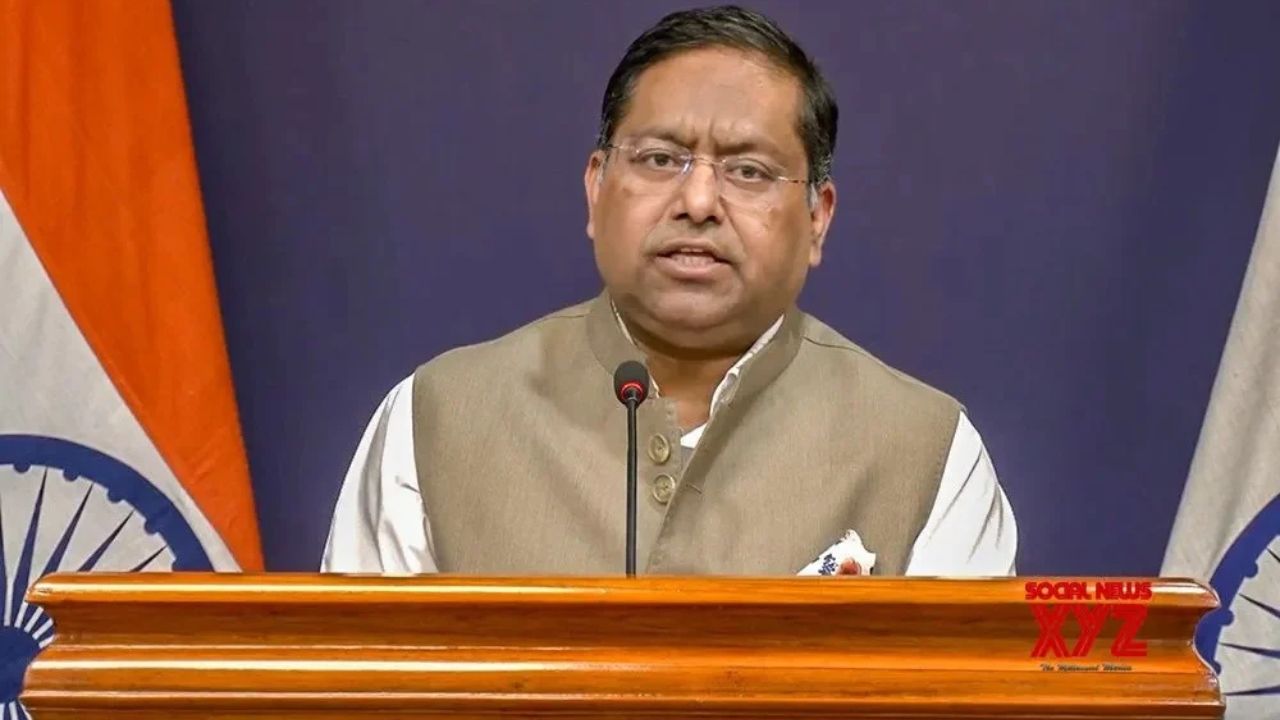
Joint Commissioner of Police Nupur Prasad said the New Delhi district police received an application from CJP co-convenor Saurabh Das on October 7, 2026, seeking permission for the proposed demonstration three days later.
Behind Every Uniform Is a Human Being. Delhi Police issues an emotional open letter to citizens amid protest tensions, while denying permission for a planned Jantar Mantar demonstration. What’s behind the decision?
@DelhiPolice #JantarMantarProtest #OpenLetter #Security #Permission
— Dynamite News (@DynamiteNews_) October 9, 2026
According to the police, the application was received too close to the scheduled date. The guidelines cited by the authorities require applications for events at Jantar Mantar to be submitted at least 10 days in advance.
The police also referred to concerns over compliance with rules during a previous demonstration and the need to manage public safety, traffic and law and order.
The proposed protest was intended to seek accountability from Chief Election Commissioner Gyanesh Kumar. However, the authorities did not grant permission for the event under the circumstances outlined in their explanation.
The development highlights the importance of advance planning and compliance with administrative requirements when organising demonstrations in designated public spaces.
Alongside the wider focus on protest-related security, Delhi Police has issued an advisory for journalists covering demonstrations in the capital. The advisory asks media personnel to carry valid identity cards issued by their respective organisations or accreditation cards issued by the Press Information Bureau (PIB) or the Delhi government's Department of Information and Publicity (DIP).
Journalists have been advised to display their identification cards clearly so that police personnel can distinguish them from other people present at crowded protest sites. The advisory also asks reporters, photographers and camera crews to avoid obstructing police operations or the movement of security personnel. Media professionals have been advised to maintain a safe distance while recording demonstrations and other proceedings.
Another important instruction is to position themselves in a way that makes their role as journalists clear, particularly during tense situations involving large crowds and security deployments.
These measures are intended to facilitate identification and prevent interference with police operations. For journalists, following safety instructions and remaining aware of their surroundings can also help reduce risks while covering developing situations.
Also Read: 24 Hours to Jantar Mantar ‘Season 2’: What to Expect From CJP’s Protest Against CEC
The developments have renewed attention on the balance between democratic expression and the responsibility of authorities to maintain public order. Peaceful protest allows citizens and political groups to raise concerns, question decisions and demand accountability. At the same time, police are responsible for protecting the public, managing crowds and preventing situations that could threaten safety.
The permission process for public demonstrations can involve several considerations, including the timing of an application, the proposed location, crowd management, traffic arrangements and compliance with existing rules. Delhi Police's open letter brings the human side of law enforcement into this discussion.
Officers working at protest sites must carry out their duties while dealing with pressure, uncertainty and potentially difficult crowd situations. However, the right to peaceful expression and the need for public safety remain important considerations in any discussion about protest management. Clear rules, transparent communication and constructive engagement between authorities and organisers can help reduce misunderstandings.
The CJP demonstration was scheduled for October 10, 2026, but Delhi Police denied permission for the proposed gathering. Any subsequent change in the decision or alternative arrangements would need to be confirmed through an official announcement. Delhi Police's open letter has added a human dimension to the ongoing discussion about protests and law enforcement. The key challenge remains ensuring public safety while respecting lawful expression and maintaining effective communication among police, protesters, journalists and citizens.