English
 English

Strait of Hormuz (Image Source: Internet)
New Delhi: Iran has put forward a new proposal in which it expresses willingness to loosen its grip on the Strait of Hormuz. However, in exchange, it refuses to engage in any discussions regarding its nuclear program, which remains a critical point of contention in negotiations with the international community.
Furthermore, Iran demands that the United States lift the economic and maritime sanctions (blockade) currently imposed upon it. Axios first reported Iran’s proposal.
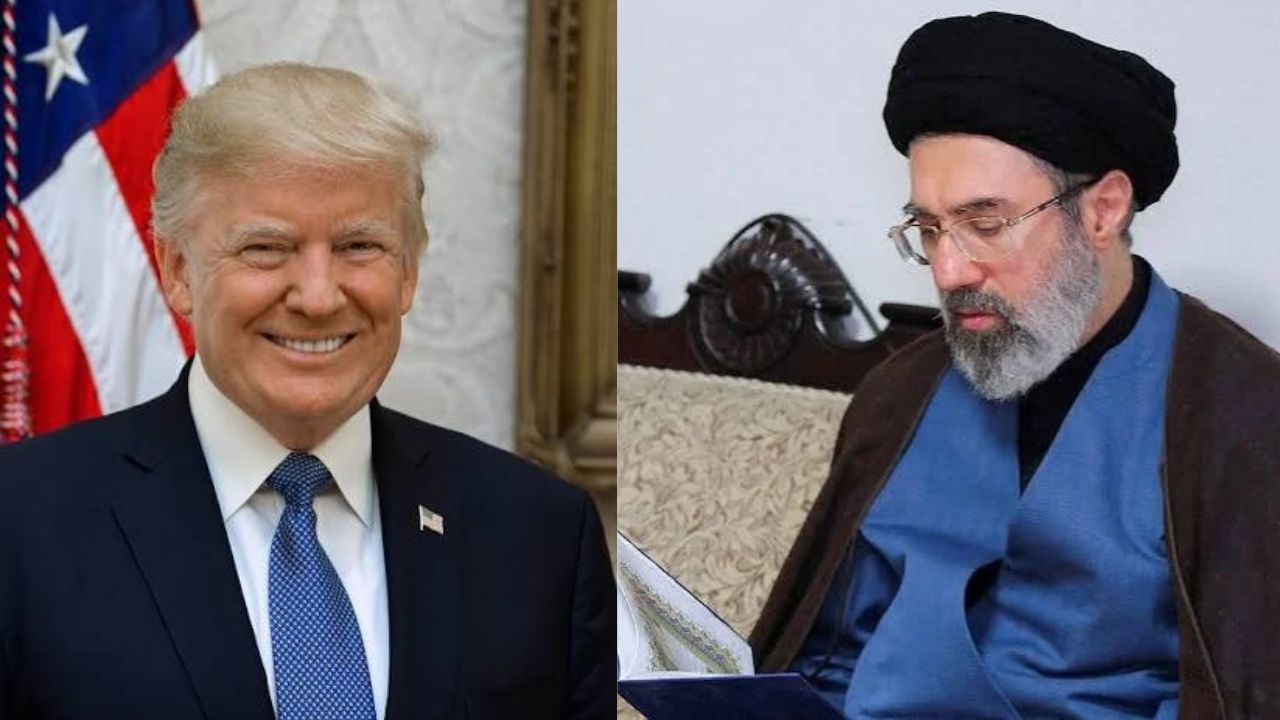
US President Donald Trump appears unconvinced by this proposal. He maintains that for any agreement to be reached, Iran must completely dismantle its nuclear program.
Trump has stated unequivocally that if negotiations are to take place, Iran must accept his terms.
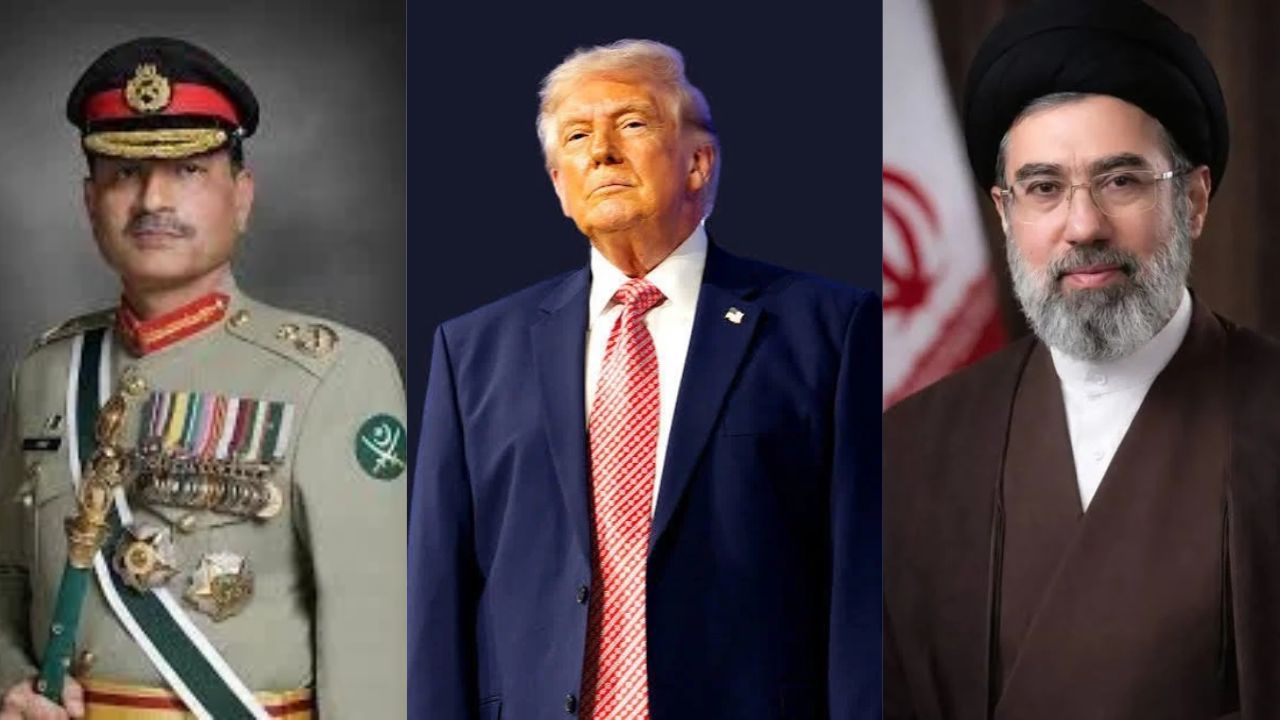
Iran's Foreign Minister, Abbas Araghchi, has arrived in St. Petersburg, Russia, where he is scheduled to meet with Vladimir Putin. The objective of this visit is to engage in joint discussions with Russia regarding the current geopolitical situation and the ongoing conflict.
Pakistan is playing a pivotal role as a mediator in this entire affair. It has actively sought to facilitate the commencement of dialogue between the United States and Iran. However, the negotiations have yet to gain momentum, and significant differences persist between the two nations.
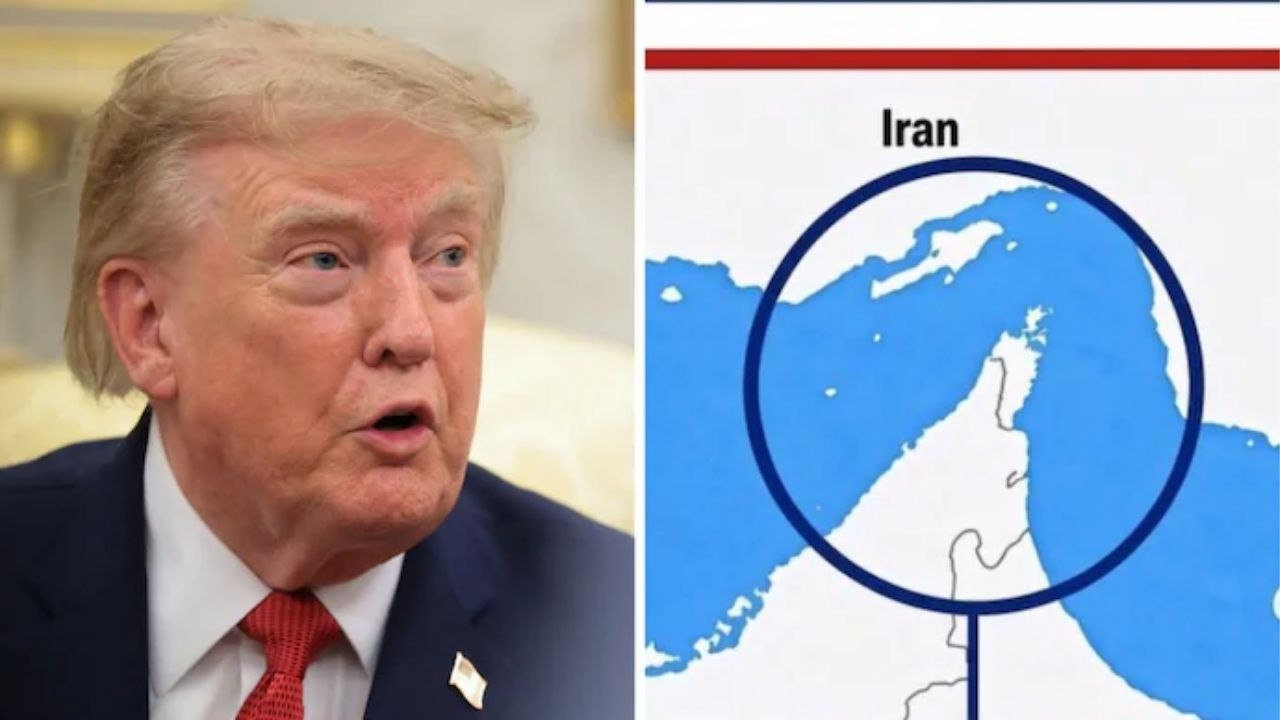
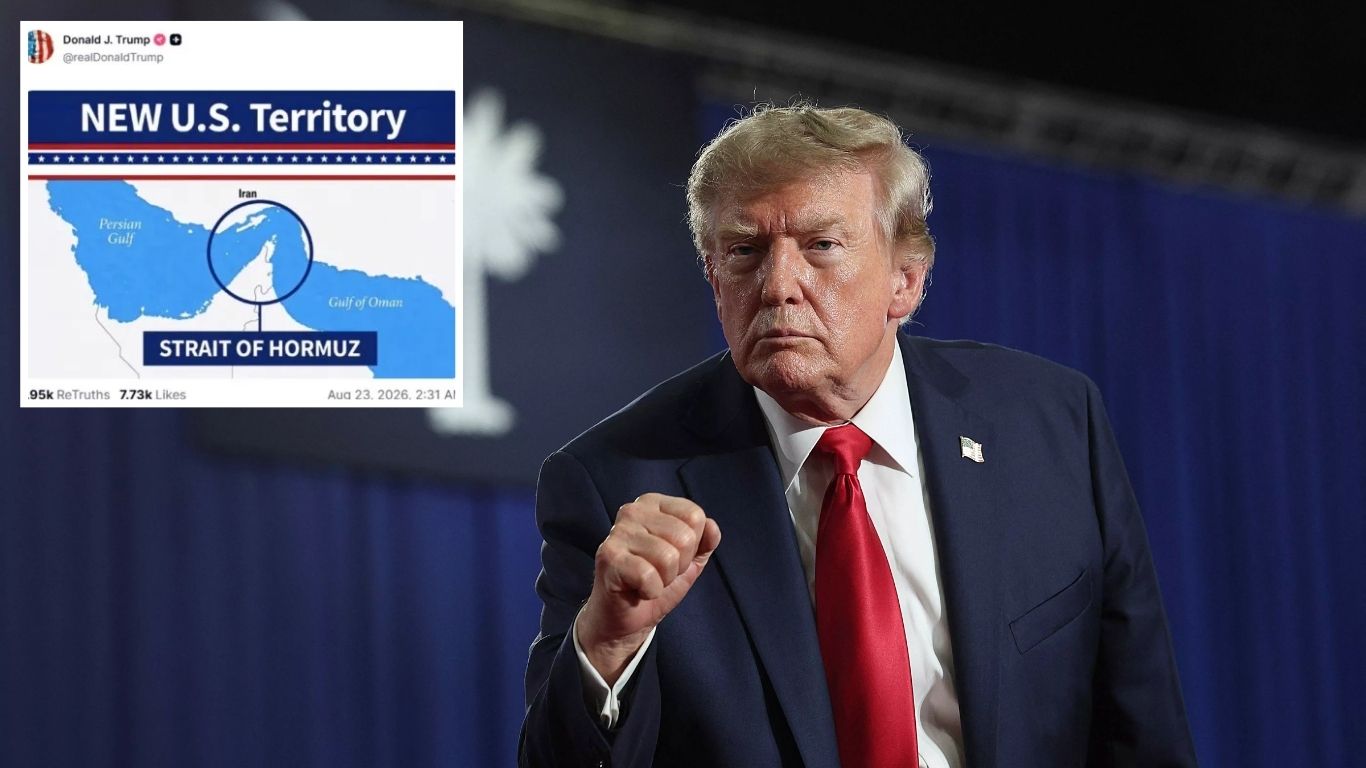
The Strait of Hormuz constitutes a critically important maritime artery for the global economy, serving as the transit route for approximately 20% of the world's oil and gas supplies.
Tensions remain high in the region due to Iran's restrictions and the US-led blockade; consequently, oil prices have surged rapidly, reaching approximately $107 per barrel.
Amidst the ongoing conflict between Iran and the United States, a ceasefire is currently in effect; however, a permanent resolution appears to remain a distant prospect.
The Trump administration has extended the ceasefire to allow for additional time for negotiations, yet a palpable lack of trust between the two parties remains clearly evident, which complicates the prospects for a lasting peace agreement.
The situation remains highly complex. Iran seeks to compartmentalize the nuclear issue, keeping it separate from other matters, whereas the United States insists on making it a primary precondition for any agreement, which complicates negotiations and hinders progress on other diplomatic fronts.
Unless both parties demonstrate a willingness to modify their respective stances, the likelihood of reaching a comprehensive agreement appears slim. Conclusion
Overall, Iran's new proposal is certainly a step toward de-escalating tensions; however, differences over the nuclear issue remain the biggest obstacle to this agreement. In the times ahead, only diplomacy can resolve this crisis.