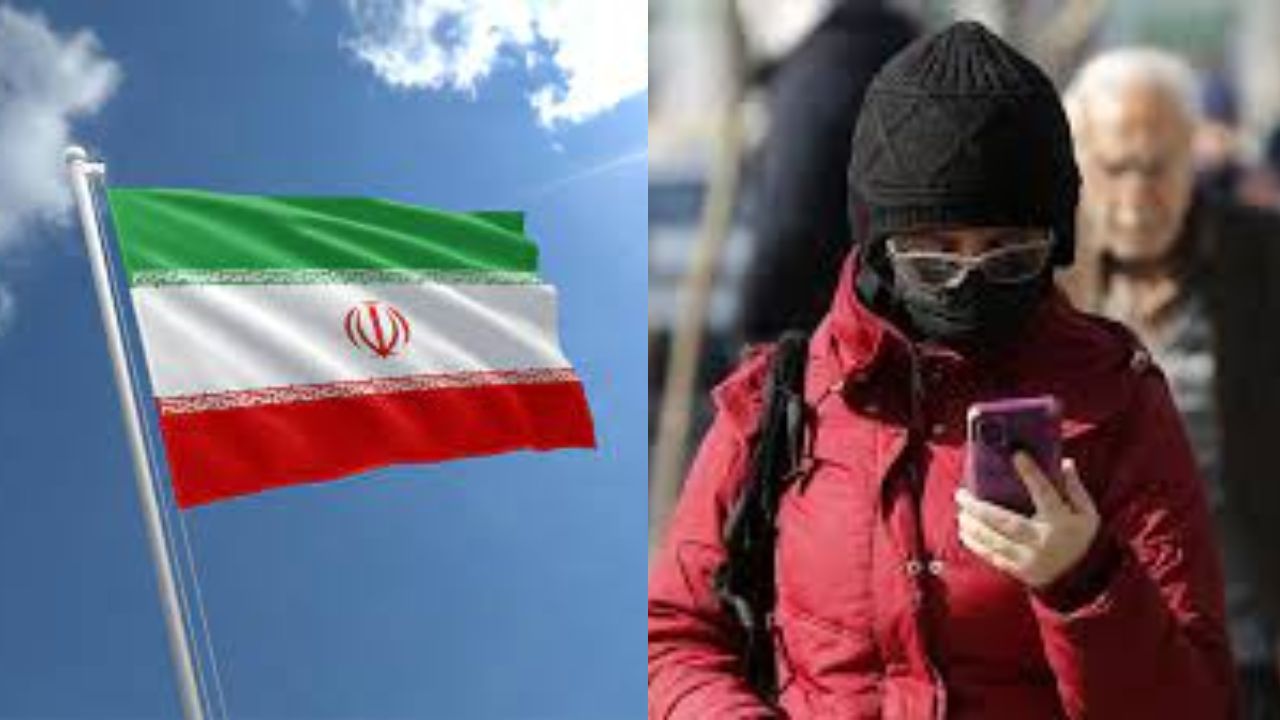
Internet returns to Iran after protests
New Delhi: After nearly three weeks of a near-total internet shutdown triggered by anti-government protests, Iran has begun partially restoring online connectivity. However, digital rights experts warn that the return of access may be limited-and could signal a long-term shift toward tighter state control rather than a full restoration.
Internet monitoring groups NetBlocks and Kentik reported that international traffic started to reappear on Tuesday, almost 20 days after Iranian authorities cut off internet services and international calls in an effort to suppress nationwide unrest. Thousands of protesters were reportedly killed during the crackdown.
Why Is This Raising Alarm?
Experts caution that internet shutdowns in Iran rarely end with a return to the status quo. Instead, they often result in permanent restrictions.
Previous blackouts have led to the long-term blocking of popular platforms-Instagram was restricted after protests in 2022 following the death of Mahsa Amini in police custody, while Telegram was banned after the 2018 demonstrations.
“Whenever the internet is shut down in Iran, it never truly returns to normal,” said Amir Rashidi, Director of Digital Rights and Security at the Mian Group, an NGO supporting human rights in Iran. “Each shutdown leaves behind deeper and more permanent controls.”
Shift Toward a ‘Whitelisted’ Internet
According to experts, the Iranian government has accelerated plans to replace open internet access with a tightly controlled system. Under this approach-known as whitelisting-only individuals with security clearance are granted full access to the global internet through special SIM cards or permissions.
The rest of the population is confined to Iran’s national internet network, where authorities can monitor activity, restrict content, and block platforms at will. This marks a major shift from earlier policies that focused on blocking specific websites or apps.
Experts Warn of Long-Term Digital Isolation
NetBlocks noted on Wednesday that while some international networks and data centers are now visible again, most Iranians continue to face heavy filtering and unstable service.
“Despite signs of recovery, ordinary users remain largely cut off from the open internet,” NetBlocks said, warning that Iran may be entering a new era of sustained digital isolation.

