 English
 English

Rising violence in Iran leaves 35 dead
Tehran: Iran is once again going through a period of deep political and social crisis. Uncontrolled inflation, a weakening economy, and rising prices of daily necessities have made life difficult for ordinary people.
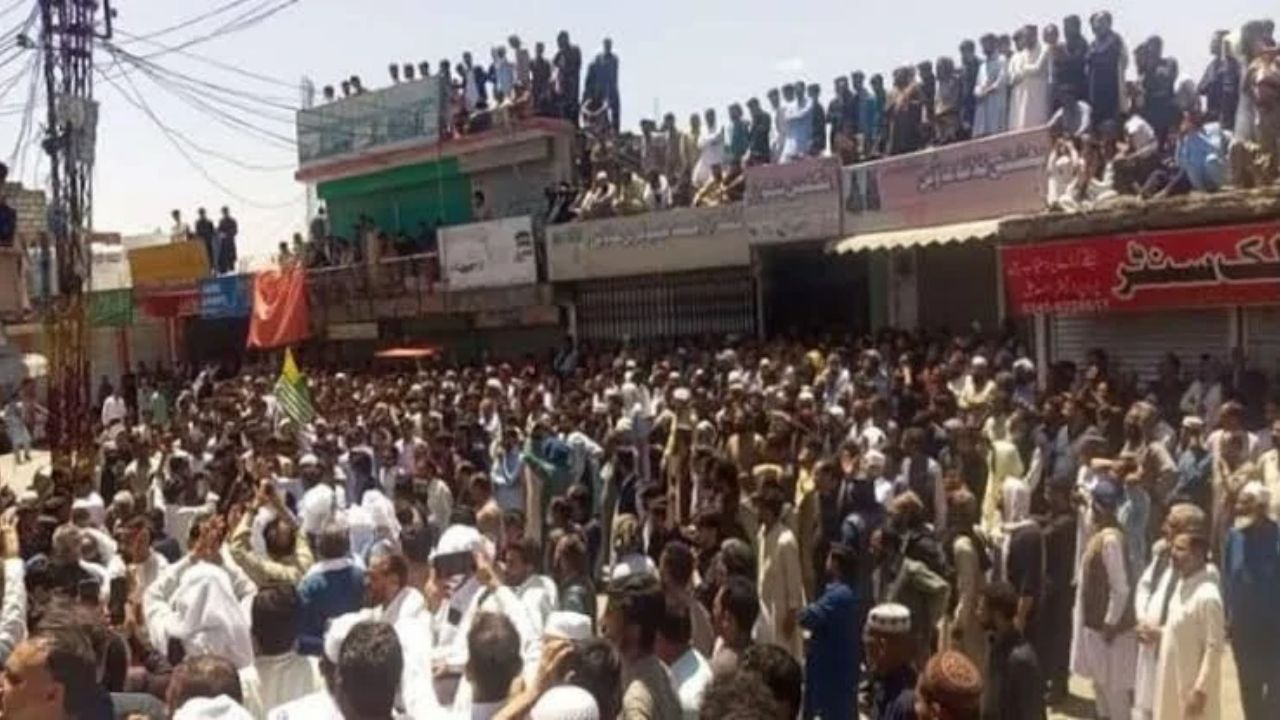
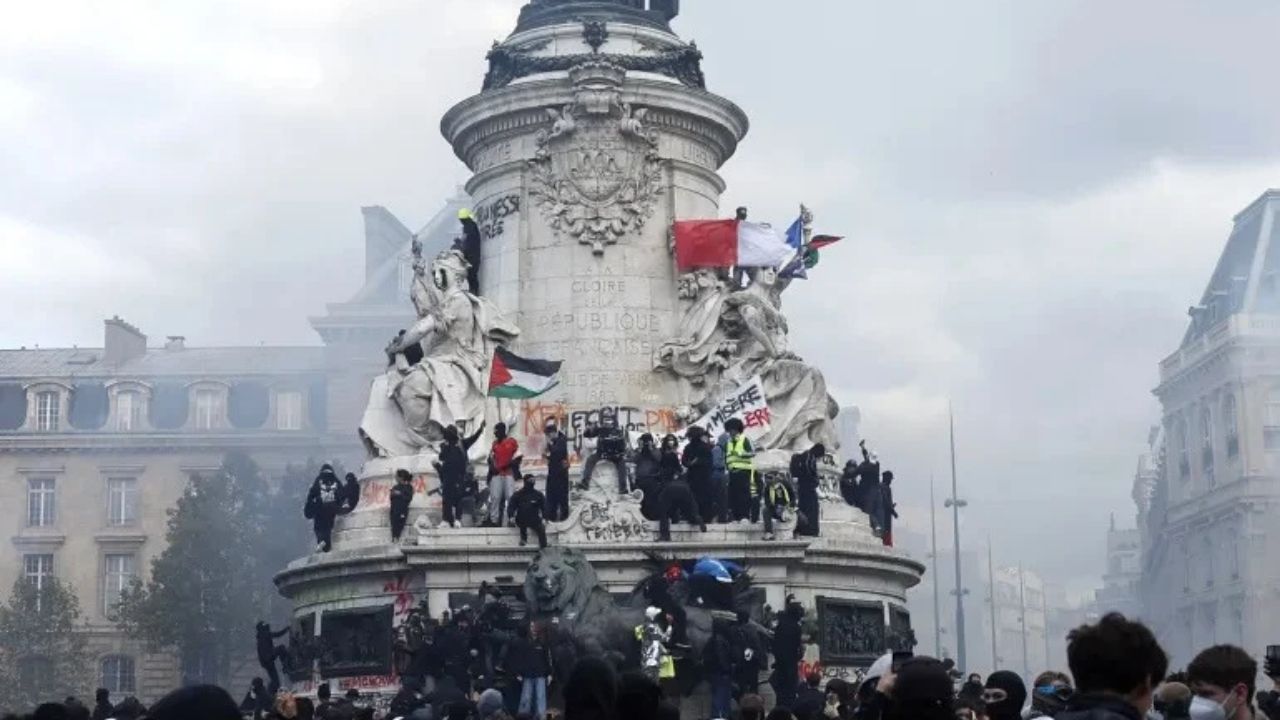
The situation has become so dire that the public has now taken to the streets against the Islamic regime. Challenging the authority of the government led by Ayatollah Ali Khamenei, protests have been ongoing for several weeks in many major cities across the country.
The wave of anger has spread from Tehran to Isfahan, Mashhad, Shiraz, and Qom. The protesters' slogans clearly reflect deep resentment towards the regime, with chants of "Death to Khamenei" and "The mullahs must leave the country."
The Iranian government is outright denying that these protests constitute a popular movement. The regime claims that it is all part of a conspiracy by foreign powers aimed at destabilizing the country.
On the other hand, ordinary citizens are calling it a fight for their voice and rights. The Khamenei-led government has given security forces a free hand to suppress the protests.
Recently, the Supreme Leader warned in a threatening tone that "the rioters will be shown their place." Since then, the crackdown has intensified.
Rising death toll in violence, thousands detained
According to the Associated Press, citing local human rights activists, the death toll in the violence during these protests has risen to at least 35. This includes civilians, children, and members of the security forces.
According to the report, more than 1200 people have been arrested so far. The seriousness of the situation can be gauged from the fact that there are no signs of the protests subsiding.
Protests spread to 27 provinces, demonstrations in hundreds of locations
According to the US-based Human Rights Activists News Agency, 27 out of Iran's 31 provinces are affected by this movement. People have taken to the streets in more than 250 locations.
The agency claims that so far 29 protesters, 4 children, and 2 members of the security forces have been killed. Meanwhile, Fars News Agency, which is close to the Islamic Revolutionary Guard Corps, said that about 250 police officers and 45 members of the Basij force were injured in the protests.
US Warning, Iran's Retaliation
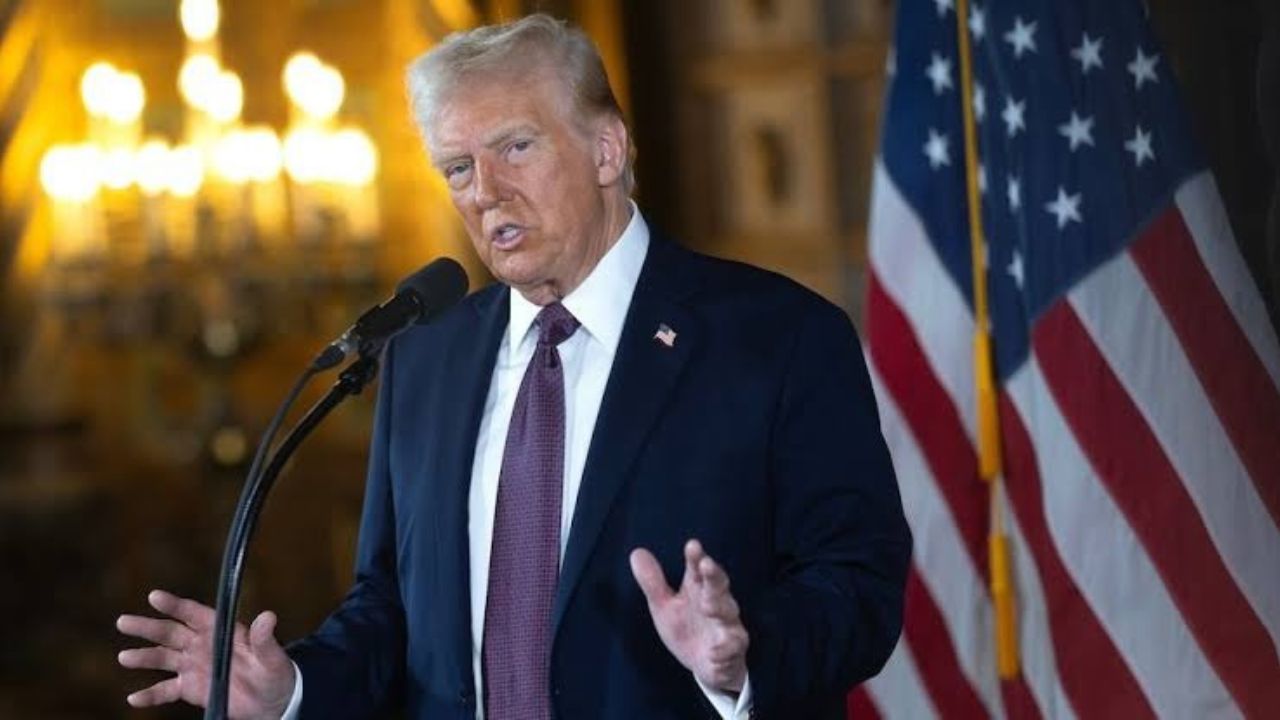
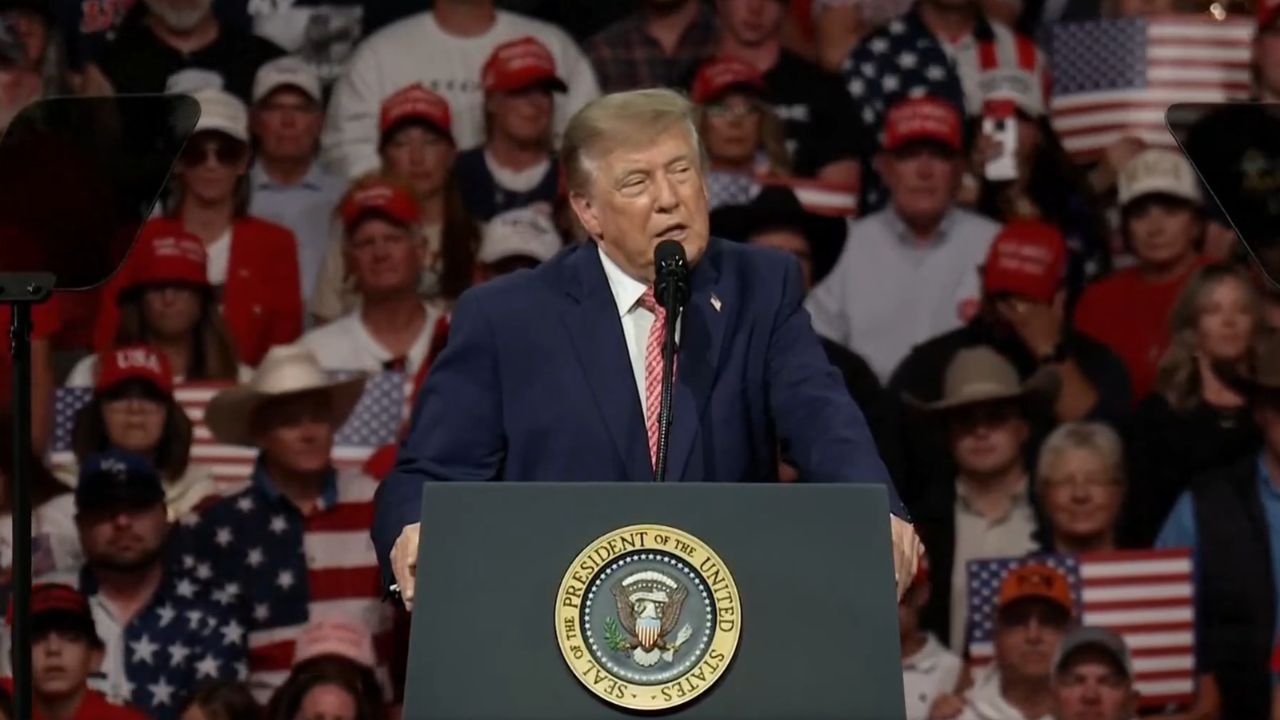
The escalating violence in Iran has also stirred up international politics. US President Donald Trump warned that if the Iranian government continues to use violence against peaceful protesters, the US may intervene to help them. While it is unclear whether the US will directly intervene, Trump's statement has further heightened tensions.
In response, Iran has threatened to target US troops stationed in the Middle East. This statement is considered even more sensitive following the arrest of Venezuelan President Nicolás Maduro, as Maduro has long been a close ally of Tehran.
Largest Mass Movement Since 2022
According to experts, these are the most widespread protests in Iran since 2022. At that time, the death of 22-year-old Mahsa Amini in police custody shook the entire country. Amini's death, after being detained for not wearing a hijab, fueled explosive anger against the regime.
The current situation is similar, where economic hardship has acted as the spark. Iran's economy has been severely crippled by tightening international sanctions and the recent conflict with Israel.
In December, the value of the Iranian rial plummeted to 1.4 million rials against the dollar, shortly after which the protests intensified.
Information Blackout, Difficulty in Accessing the Truth
It is difficult to gauge the true extent of these protests. The Iranian government maintains strict control over the media, and news related to the protests is only emerging in a limited capacity.
The videos circulating on social media show blurry images in some places and the sound of gunfire in others. Journalists face numerous restrictions while reporting, including limitations on travel, surveillance, arrests, and harassment.
Currently, Iran is at a critical juncture where public anger, the regime's repression, and international pressure are all converging, making the situation increasingly complex.
It remains to be seen whether this movement will lead to significant change or be suppressed once again under the weight of repression.