 English
 English

Iran’s New Supreme Leader Ali Reza Arafi Also Reported Dead
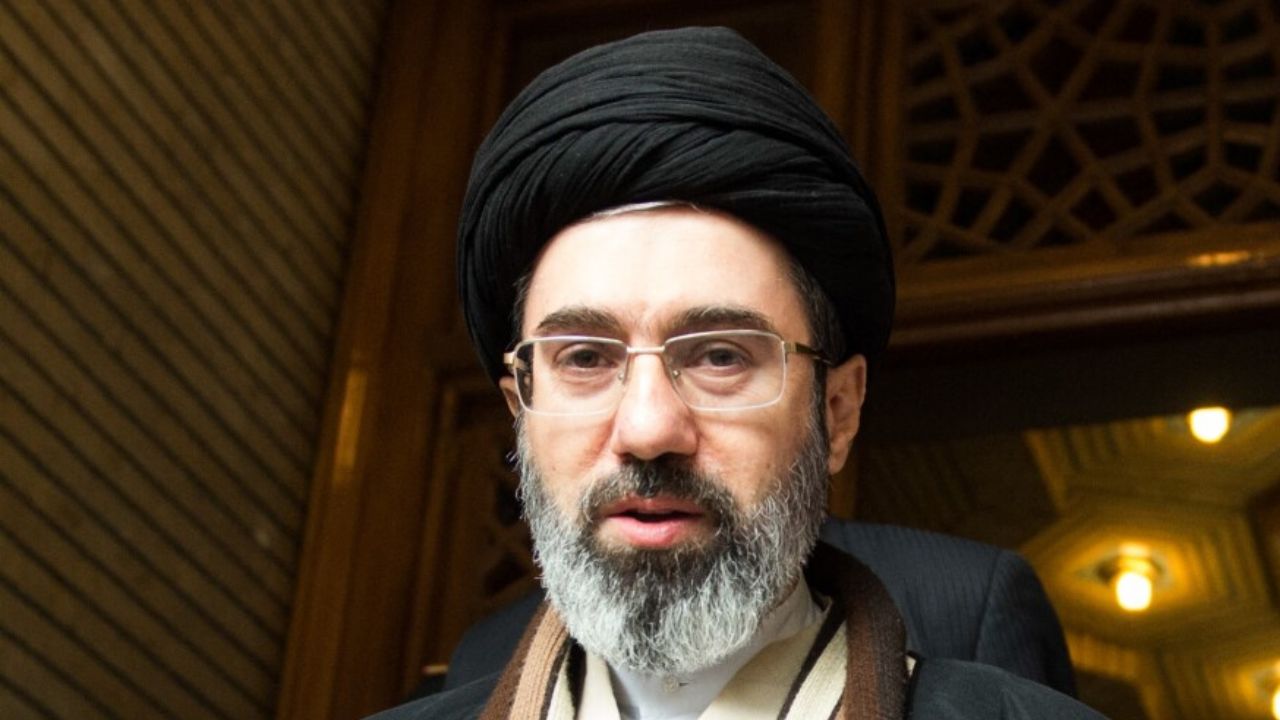
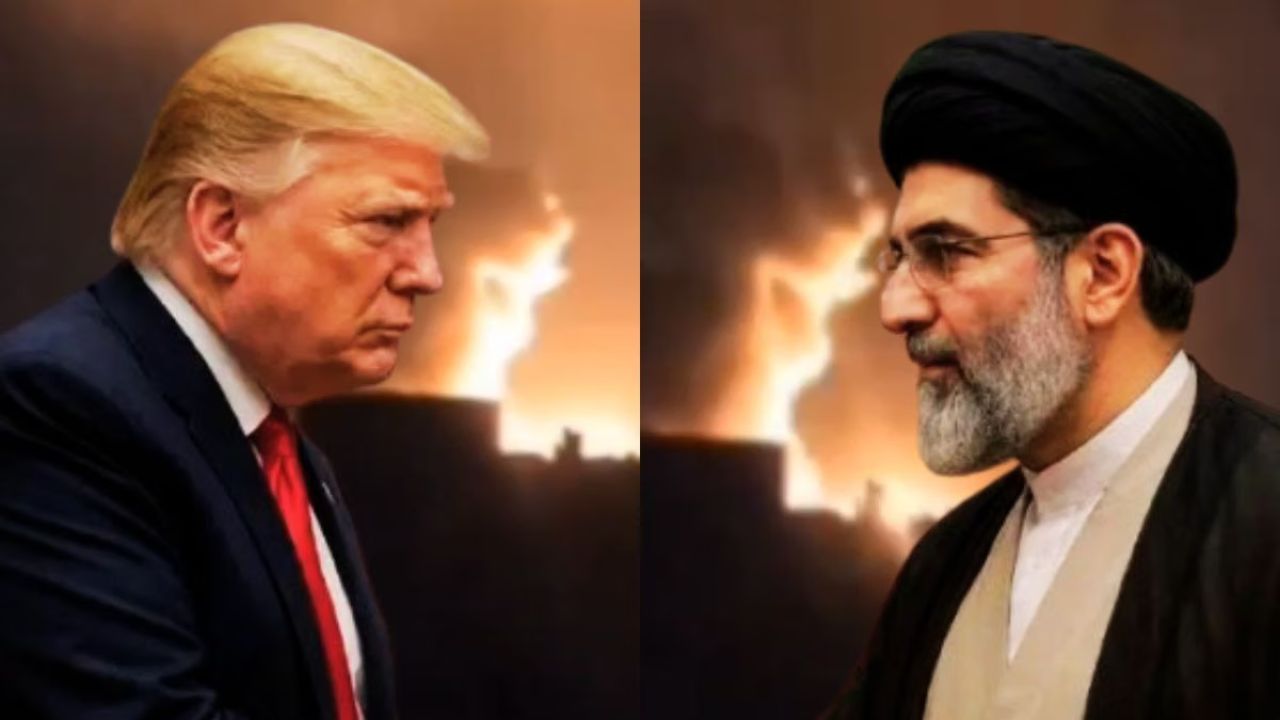
Tehran: The former US NSA has claimed that Iran's new Supreme Leader, Alireza Arafi, has also died. Earlier, Iranian President Masoud Pezeshkian had stated that a new council was formed following the death of Supreme Leader Ali Khamenei in US and Israeli attacks. This council included Judiciary Chief Gholam-Hossein Mohseni-Ejei and Alireza Arafi.
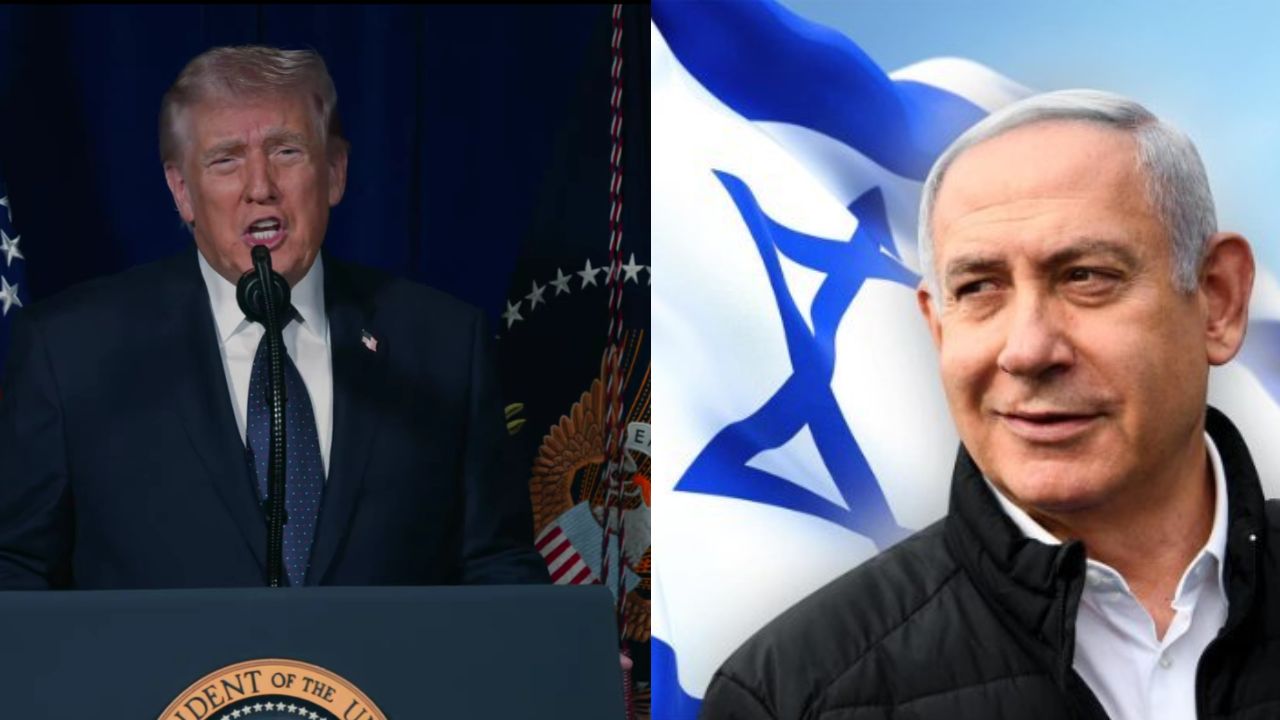
Amid rising tensions and military confrontation in West Asia, a major power shift has occurred in Iran. Ali Khamenei, Iran's longtime Supreme Leader, was killed in US and Israeli attacks. Following his death, an interim leadership system was established in the country through constitutional procedures.
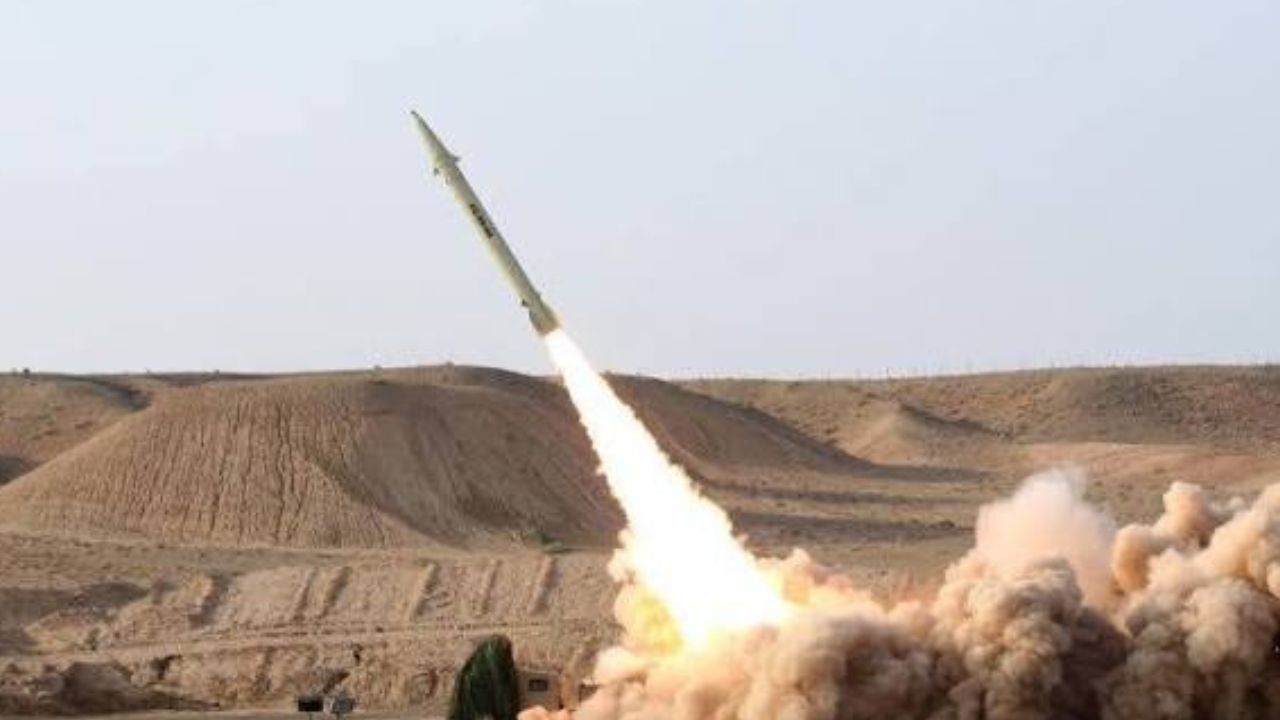
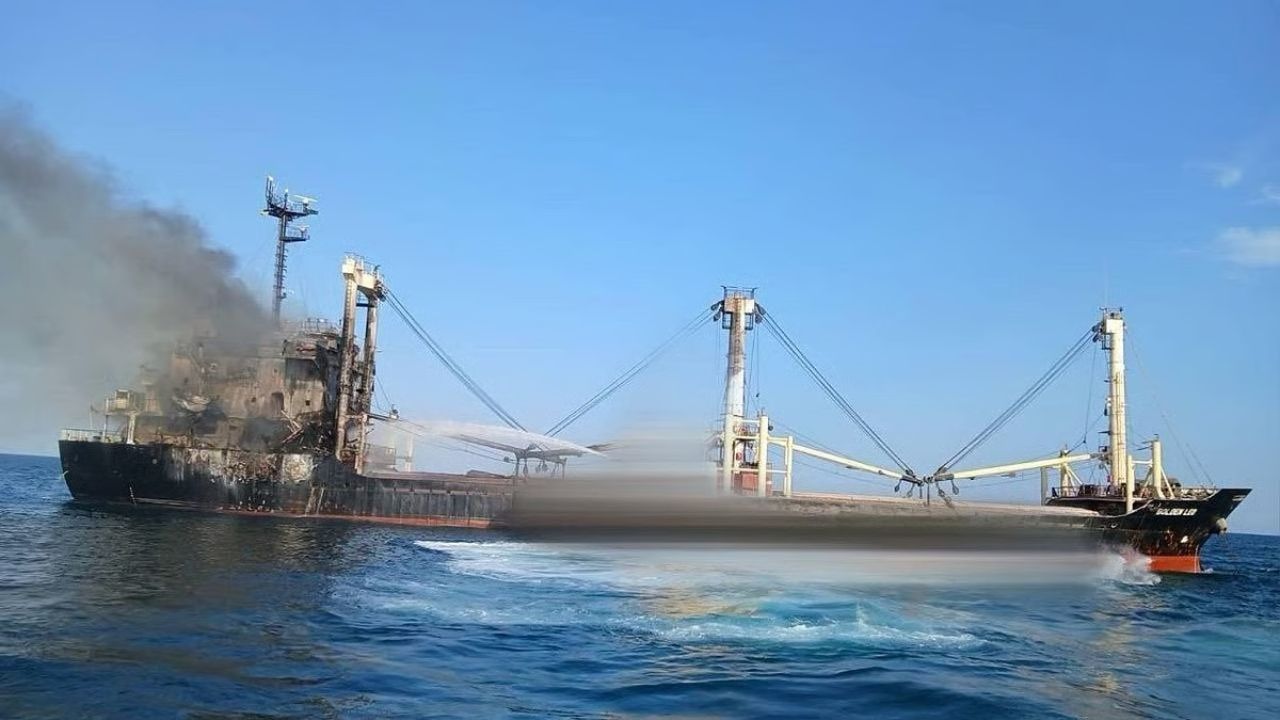
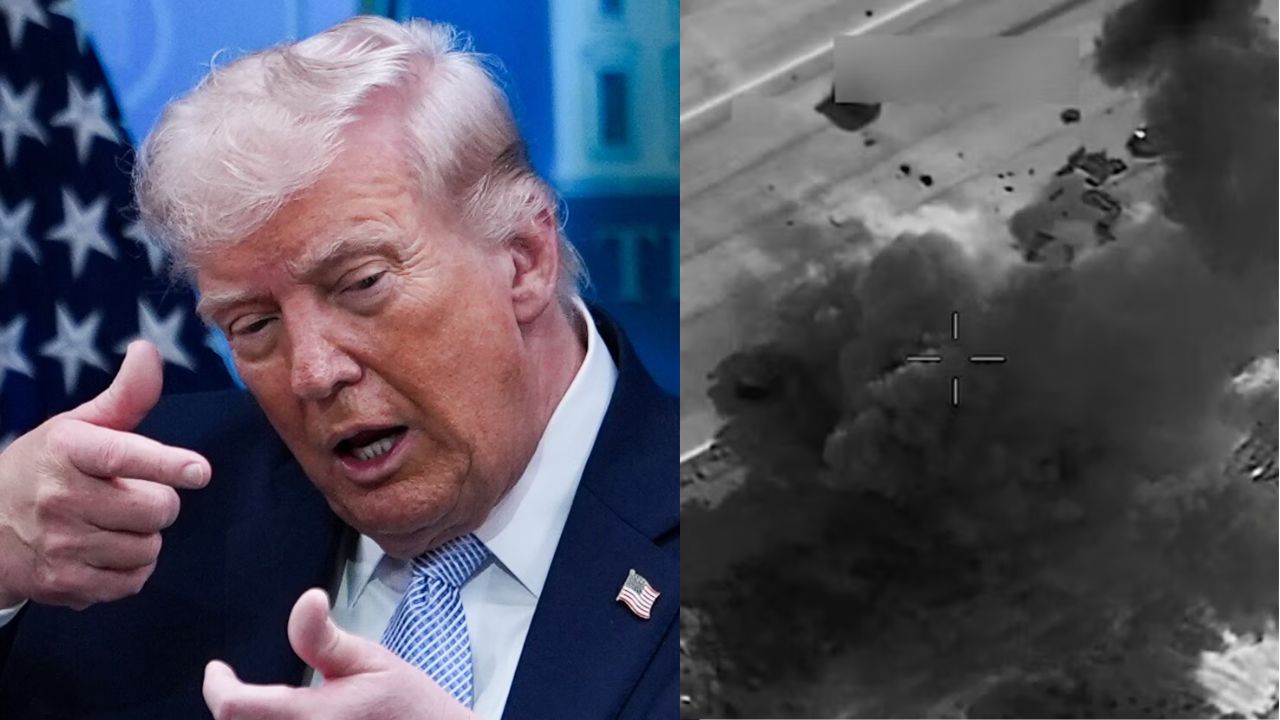
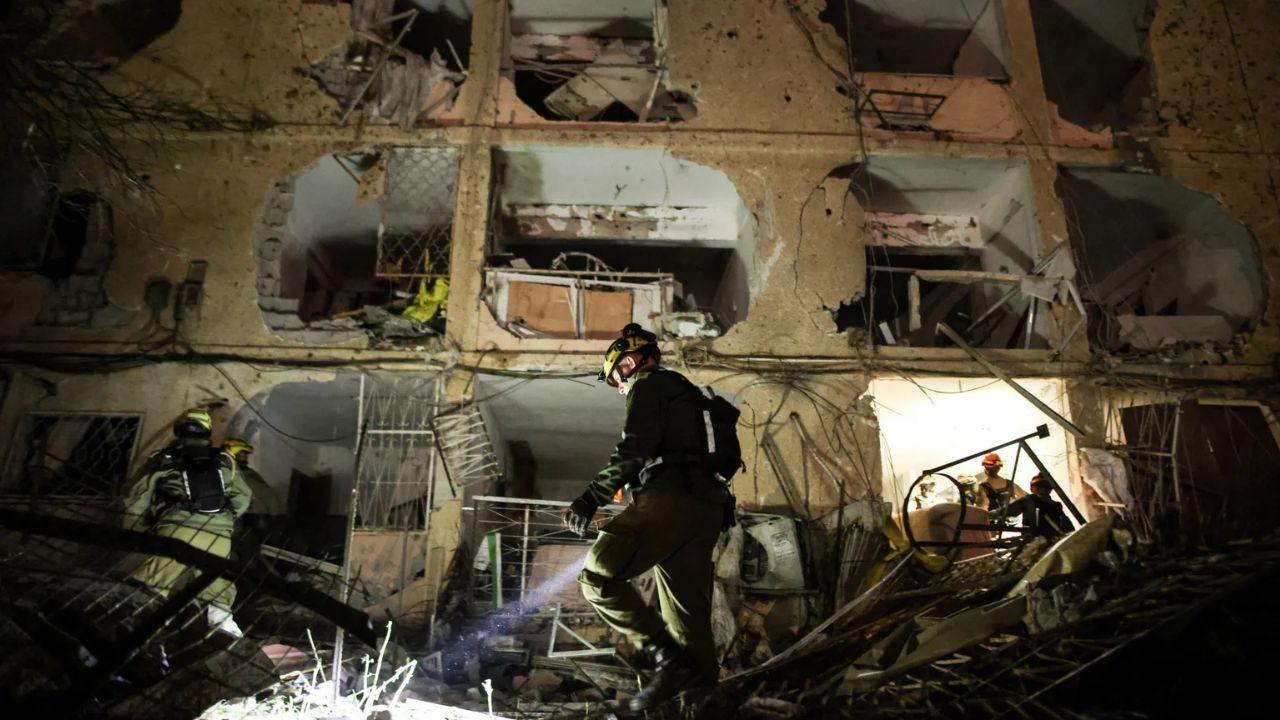
According to reports, the US and Israel carried out massive airstrikes on several military and government bases in Iran on Saturday. These attacks targeted the residences of top military and political leaders. The attack killed 86-year-old Ali Khamenei, who had led Iran since 1989. Iran initially denied the reports, but later confirmed his death.
Ayatollah Alireza Arafi is considered Iran's senior religious leader. He was included as a jurist member of the Interim Leadership Council, which has begun assuming the responsibilities of the Supreme Leader.
Arafi held the country’s highest religious and political position. His primary task was to stabilize the government during the transition period and lead until a new permanent Supreme Leader was elected. Together with other members of the Council, Arafi strove to maintain peace and administrative stability within the country.
This leadership transition in Iran was considered extremely sensitive amid the turbulent global political situation and the Middle East. The primary objective of the interim leadership was to prevent any political instability in the country and maintain order until a new Supreme Leader was elected.