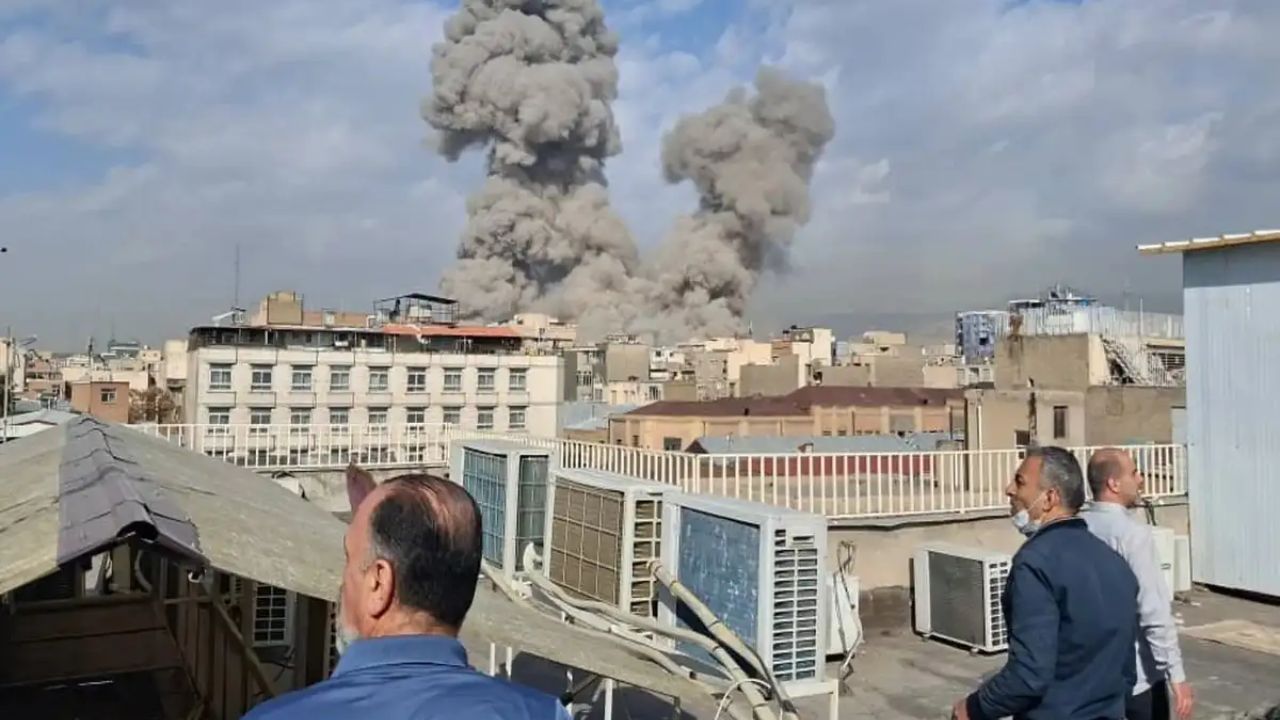
The announcement came hours after explosions shook Tehran
Tel Aviv/Tehran: The Middle East has been thrust into heightened tension after Israel announced a preemptive airstrike on Iran, triggering a nationwide state of emergency. Sirens wailed across Israel, airspace was closed, and educational institutions were shut as authorities warned of possible retaliatory missile and drone attacks.
Country on High Alert
Following the strike, the Israel Defense Forces (IDF) issued what it described as a “proactive alert,” cautioning citizens about the risk of incoming missiles. Emergency sirens were activated nationwide, and mobile warning messages were sent to residents.
The military urged people to remain close to shelters and protected areas, calling the measures precautionary but necessary in view of potential threats directed at the State of Israel.
Nationwide State of Emergency Declared
Israeli Defense Minister Israel Katz formally declared a national emergency, warning that civilian areas could be targeted. Security agencies have been placed on maximum alert, while emergency and essential services have been instructed to remain fully prepared for rapid response.
Airspace Closed, Public Activities Suspended
As part of heightened security measures, Israel temporarily shut its airspace, barring flights from entering its territory. The move is expected to disrupt international air travel.
Schools, colleges, and universities have been closed nationwide. Public gatherings and large-scale events have been suspended, and citizens have been encouraged to work remotely to minimize risk.
Explosions Reported in Tehran
Meanwhile, multiple explosions were reported in Tehran, Iran’s capital. Iranian media stated that blasts were heard in central districts, including areas near University Street and Jomhuri Street. State outlets confirmed at least three explosions but have not yet released detailed information regarding damage or casualties.
Risk of Wider Regional Conflict
Israeli officials described the strike as a move to counter “imminent threats” to national security. However, global attention is now focused on how Iran might respond.
Security analysts warn that any direct retaliation could escalate tensions into a broader regional conflict. With the Middle East already facing multiple flashpoints, further escalation could carry significant geopolitical and economic consequences worldwide.
For now, tensions between the two nations remain at a critical level, and the international community is closely monitoring developments.

