English
 English

Collapsed bridges, destroyed homes reveal the shocking impact of Nepal floods
Kathmandu: Nepal is facing a massive humanitarian crisis as the devastating aftermath of deadly floods continues to emerge across the Himalayan nation. Nearly 12 days after the disaster struck, the official death toll reached 1,369 on Sunday, while more than 5,000 people remain missing, leaving rescue agencies racing against time to locate survivors and recover victims.
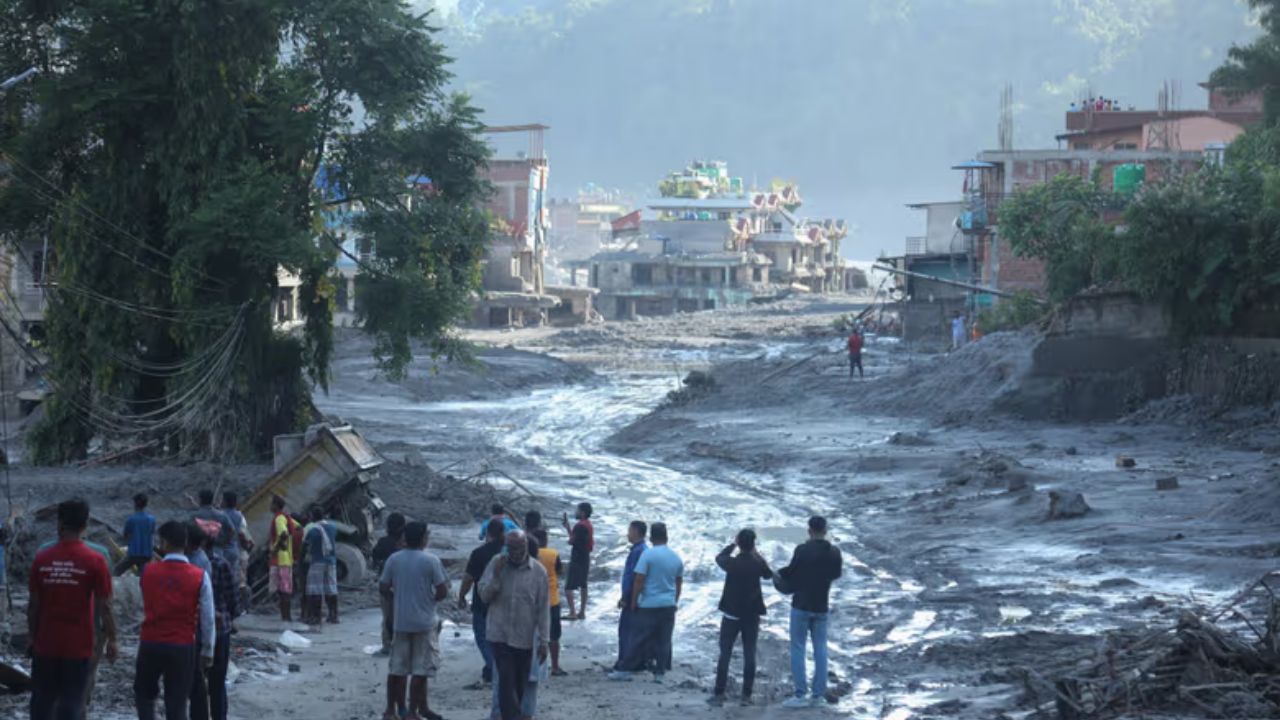
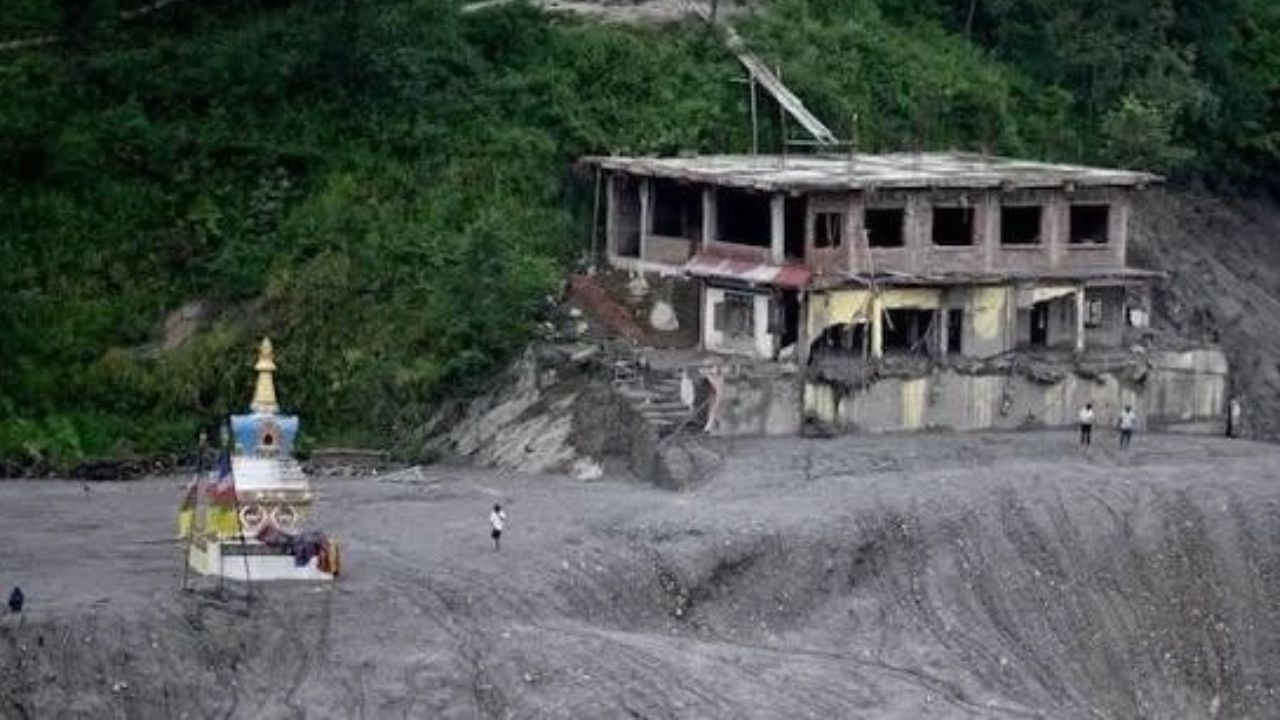
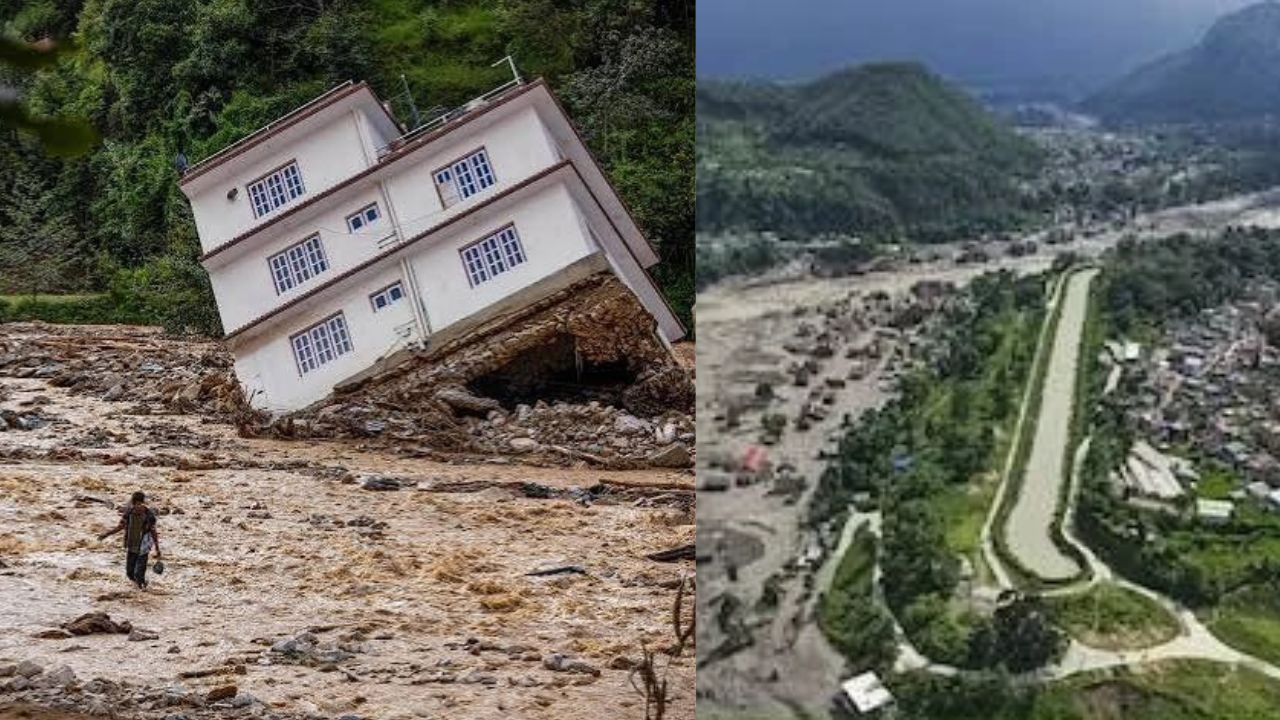
The scale of destruction has become clearer as floodwaters from the Bhote Koshi and Trishuli rivers begin to recede. Entire villages have been damaged, roads and bridges have disappeared, and large areas remain buried under thick layers of mud, rocks and debris.
The disaster has created one of the biggest rescue challenges Nepal has faced in recent years, with authorities struggling to manage search operations, restore connectivity and provide relief to thousands of affected families.
The catastrophic flooding was triggered on August 26 after an ice-rock avalanche near the Nepal-Tibet border caused a sudden release of water, rocks and debris into the Bhotekoshi River system.
The powerful flood surge travelled downstream with devastating force, sweeping away homes, vehicles, roads, bridges and hydropower infrastructure across several parts of northern and central Nepal.
The impact was not limited to Nepal. Areas on the Chinese side of the border, particularly Tibet, also reported casualties and missing people following the disaster. The sudden nature of the disaster left many communities with little time to escape as water levels rose rapidly.
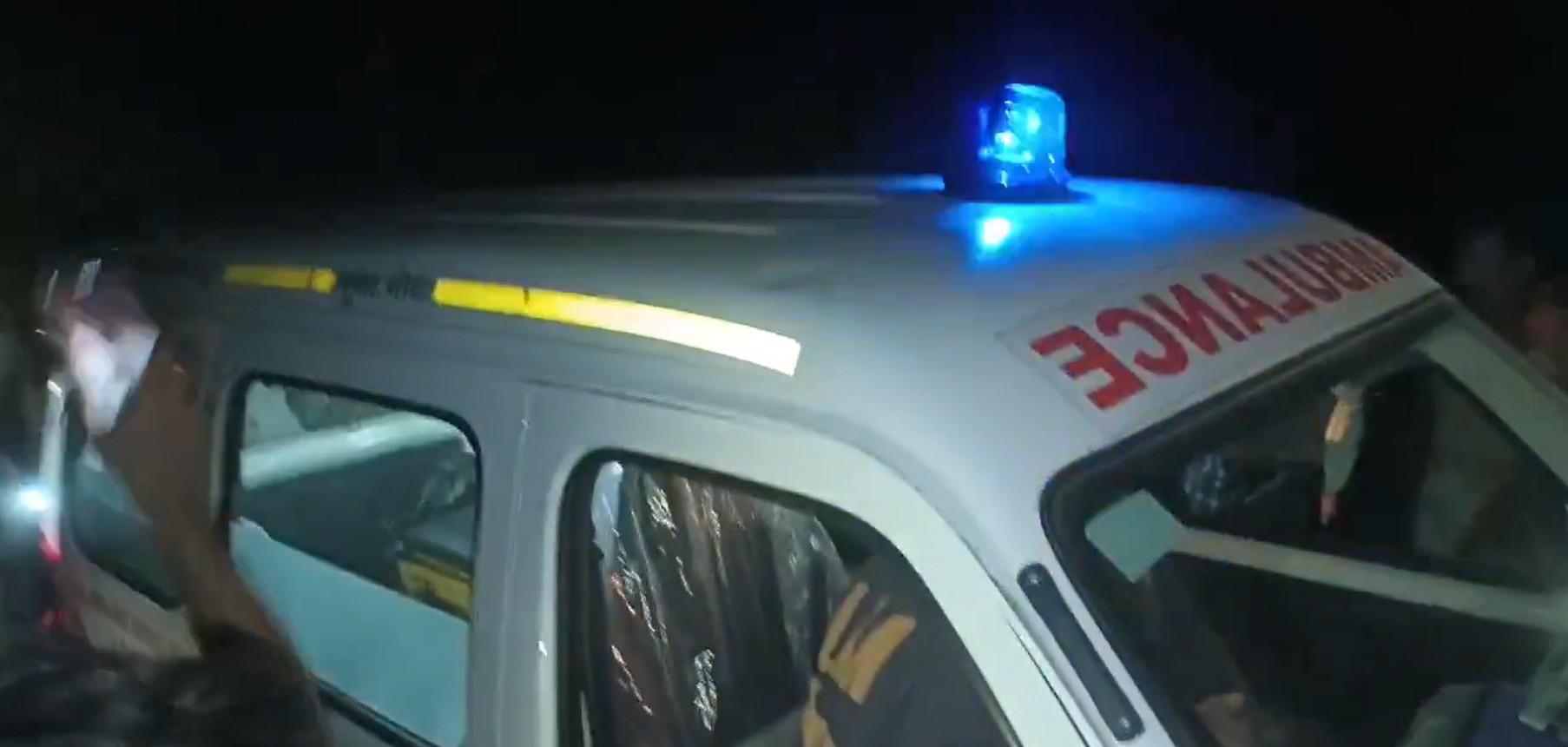
The Nepal Army, Nepal Police and disaster response agencies are continuing one of the country’s largest search and rescue operations. Teams are carrying out door-to-door searches, clearing debris and using sniffer dogs to locate missing people and recover bodies. However, damaged roads, destroyed bridges and difficult mountainous terrain have slowed down rescue efforts.
More than 13,000 people have been rescued so far, while thousands of security personnel and emergency workers remain deployed for relief distribution, evacuation operations, road clearance and recovery work. Authorities are also focusing on restoring communication networks and transportation routes to reach isolated communities.
For many families, the biggest challenge is still finding their missing loved ones. Officials have confirmed that at least 85 children are among the recovered bodies. Around 500 bodies have been found in incomplete condition or with missing body parts, making identification extremely difficult.
Several victims were swept away by powerful currents and recovered far away from their original locations. Many bodies remained trapped under mud and debris for days, further complicating forensic identification. Nepal Police has started collecting DNA samples from relatives of missing people to match unidentified bodies and human remains.
Authorities are using forensic methods and publishing details of unidentified victims to help families verify whether their loved ones are among those recovered.
According to Nepal’s disaster management authorities, Chitwan district has recorded the highest number of recovered bodies. Other badly affected districts include Nawalparasi East, Nawalparasi West, Nuwakot, Rasuwa, Gorkha, Dhading and Tanahun.
Only a limited number of bodies have been identified and handed over to families, highlighting the enormous challenge faced by rescue agencies. The condition of recovered remains has increased the emotional trauma for families waiting for closure.
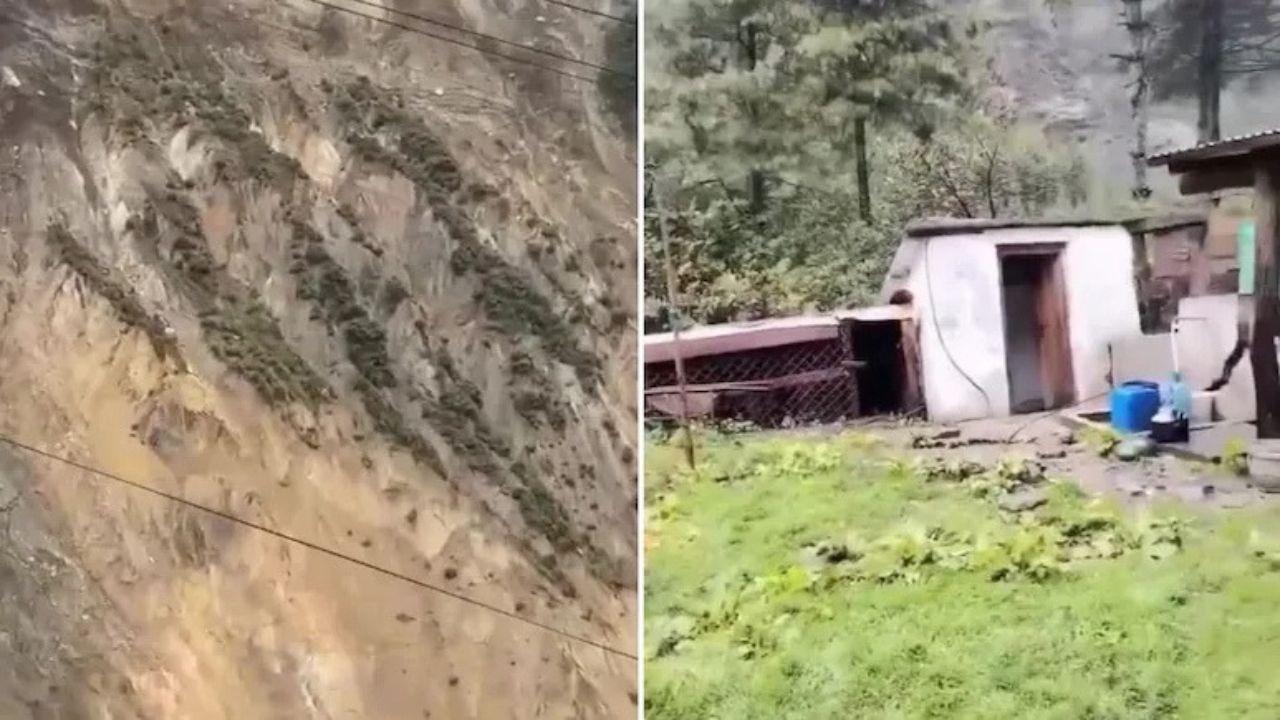
While Nepal continues its recovery operation, a fresh flood incident in Gorkha district has added new concerns for authorities. The Namrung Khola overflowed in Chumnubri Rural Municipality, damaging four houses and washing away a suspension bridge.
No casualties were reported as residents managed to move to safer locations after noticing the approaching flood. Officials believe a temporary blockage near the river source may have caused a sudden release of water carrying mud and debris.
The Namrung Khola flows into the Budhigandaki River, and residents living near the river have been advised to remain alert. The flooding also damaged small hydropower projects and affected local movement in the mountainous region.
As Nepal continues its rescue and restoration mission, support is also coming from neighbouring countries including India and China. Assistance is being provided in rescue operations, infrastructure restoration and support activities at affected hydropower projects. Authorities are closely monitoring major rivers and vulnerable mountainous regions as weather conditions and unstable terrain continue to create risks.
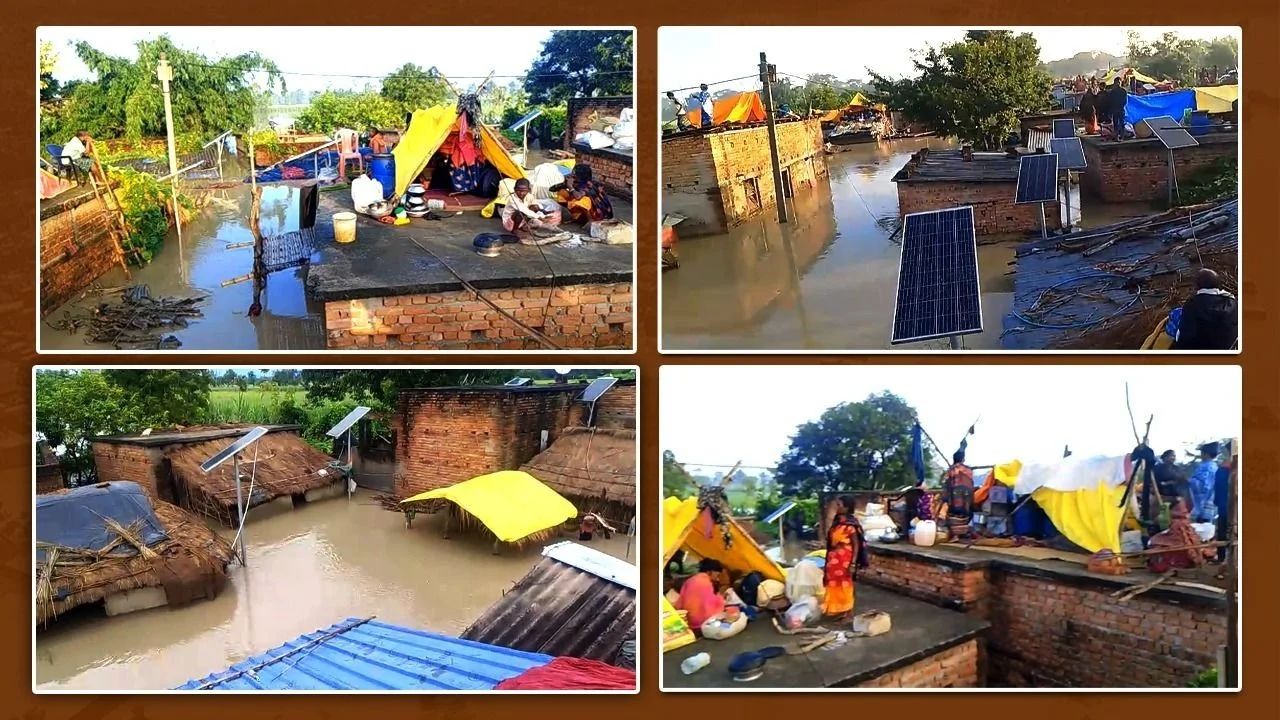
The flood disaster has caused severe damage to Nepal’s infrastructure, local economy and communities. Destroyed roads, washed-away bridges and damaged hydropower projects are expected to impact connectivity and development activities in several regions.
For thousands of families, the immediate priority remains finding missing relatives, receiving emergency assistance and rebuilding their lives. As rescue operations continue, Nepal’s biggest challenges remain locating missing people, identifying victims and restoring normal life in areas devastated by one of the country’s worst natural disasters.