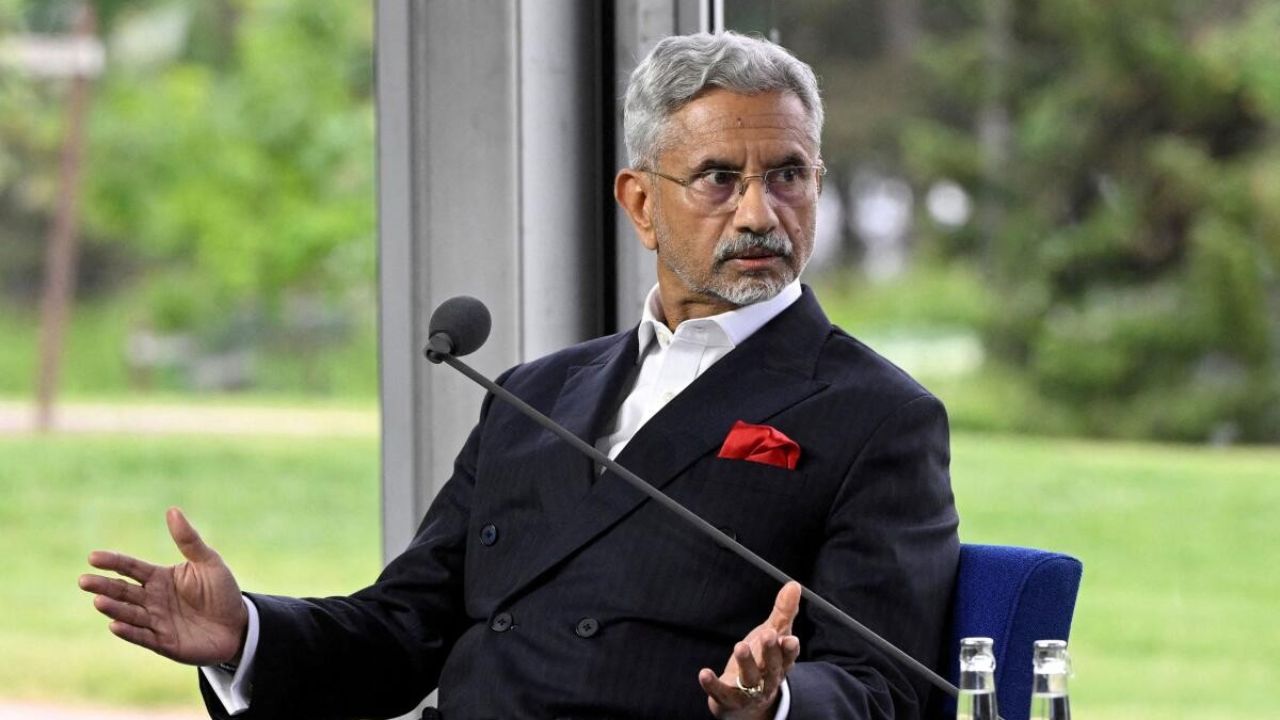
Jaishankar Hits Back at Europe Over Russian Oil Criticism. (Img: Internet)
Helsinki (Finland): External Affairs Minister Dr. S. Jaishankar on Friday strongly defended India’s decision to buy Russian oil after the outbreak of the Ukraine conflict, asserting that the country’s energy security and national interests remain the primary drivers of its policy decisions.
Speaking at the Kultaranta Talks in Helsinki, Finland, during a discussion on emerging powers and changing geopolitical dynamics, Jaishankar said India purchases oil based on affordability and availability rather than political considerations.
He explained that market conditions following the Ukraine war altered traditional supply patterns. As European nations increasingly sourced oil from the Middle East, India was compelled to explore alternative suppliers, including Russia, to meet its growing energy demands.
“India buys oil based on cost and availability,” Jaishankar said, emphasizing that economic realities influenced the country’s energy choices during a period of global uncertainty.
Addressing criticism from some European quarters over India’s imports of Russian crude, Jaishankar pointed to what he described as inconsistencies in Western positions.
The minister noted that while India has faced scrutiny for its energy purchases, several European countries have supplied military equipment to nations that have posed security challenges for India over the years. He argued that India has never taken actions that threaten European security interests and called for a more balanced understanding of global concerns.
Jaishankar also reflected on the wider consequences of ongoing international conflicts, including the war in Ukraine and tensions involving Iran. He said such crises have effects that extend far beyond their immediate regions, impacting economies, trade networks and geopolitical stability worldwide.
According to the minister, dialogue and diplomacy remain the most effective ways to address international disputes and prevent further escalation.
Highlighting lessons learned from recent global disruptions, Jaishankar stressed the importance of diversifying supply chains and building resilience against future shocks. He also recalled that the United States had previously encouraged India to continue purchasing Russian oil to help stabilize global energy markets.
His remarks underscored India’s continuing emphasis on strategic autonomy and pragmatic decision-making in an increasingly complex international environment.

